Table of Contents
Introduction
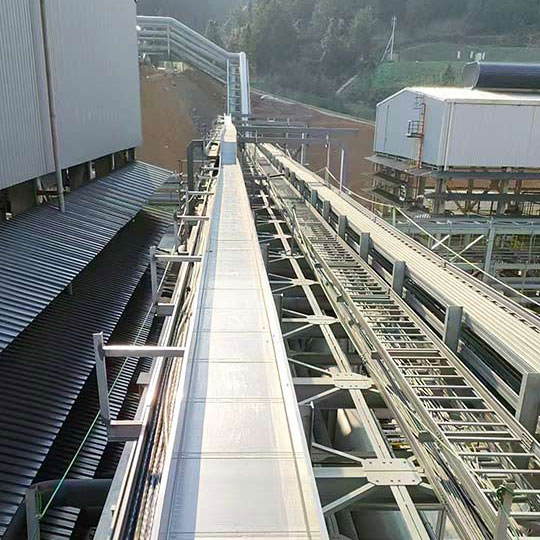
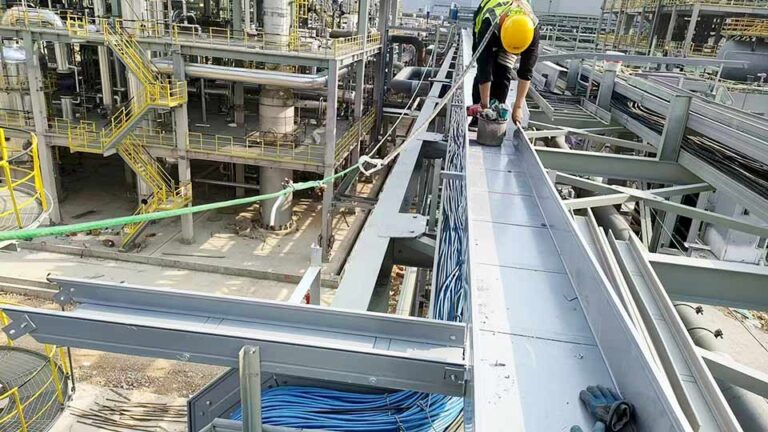
In industrial environments, efficient cable routing is essential for ensuring safety, system reliability, and long-term operational performance. A ladder tray is one of the most widely used cable management solutions in large-scale electrical installations due to its strength, ventilation design, and ease of maintenance.
Compared with enclosed or solid systems, ladder trays offer a more open structure that supports high-density cabling while reducing heat buildup. This makes them particularly suitable for power distribution, control wiring, and communication networks in demanding industrial settings.
What Is a Ladder Tray?
A ladder-type cable tray is a type of cable support system composed of two longitudinal side rails connected by cross rungs, forming a ladder-like structure. This design allows cables to rest securely while maintaining airflow between them.
It is commonly used in:
- Power plants and energy facilities
- Manufacturing and processing industries
- Commercial infrastructure projects
- Data and communication systems
The structure is designed to support both heavy and light cable loads while maintaining accessibility for inspection and upgrades.
Key Benefits of Using a Ladder Tray for Industrial Cable Routing
Excellent Load-Bearing Capacity
One of the most important advantages of ladder-type cable trays is their ability to support heavy cable loads over long distances. The rung-based structure distributes weight evenly, reducing stress on individual support points.
Engineering applications often use ladder-type cable trays for high-voltage power cables and large cable bundles where structural stability is critical.
Superior Ventilation and Heat Dissipation
Overheating is a common issue in dense cable installations. The open design of a ladder-type cable tray allows continuous airflow around cables, helping to dissipate heat naturally.
This reduces the risk of insulation degradation and extends cable lifespan. According to electrical installation studies, improved ventilation can significantly reduce thermal stress in high-load environments.
Easy Installation and Flexibility
Ladder-type cable trays are designed for quick assembly and modular installation. Compared to enclosed conduit systems, they require less labor and fewer connection points.
Key installation advantages include:
- Simple support bracket mounting
- Easy alignment for long cable runs
- Flexible routing adjustments during installation
This makes them highly efficient for large industrial projects with tight timelines.
Simplified Maintenance and Inspection
The open structure of ladder-type cable trays allows technicians to easily inspect cables without dismantling the system. Fault detection, upgrades, and replacements can be completed quickly.
This reduces downtime and maintenance costs, especially in facilities where continuous operation is critical.
Scalability for Future Expansion
Industrial systems often evolve over time. Ladder-type cable trays make it easy to add or reroute cables without major structural changes.
This scalability is particularly valuable in:
- Expanding manufacturing lines
- Upgrading electrical systems
- Adding new communication networks
Planning for future expansion reduces long-term infrastructure costs.
Material Versatility for Different Environments
Ladder-type cable trays are available in multiple materials to suit different environments:
- Galvanized steel: high strength and cost efficiency
- Stainless steel: corrosion resistance for harsh environments
- Aluminum: lightweight and easy handling
- FRP (fiberglass reinforced polymer): non-conductive and chemical resistant
This flexibility ensures compatibility with both indoor and outdoor installations.
Ladder Tray vs Other Cable Management Systems
| Feature | Ladder Tray | Solid Bottom Tray | Perforated Tray |
|---|---|---|---|
| Load Capacity | High | Medium | Medium |
| Ventilation | Excellent | Low | Good |
| Maintenance Access | Easy | Limited | Moderate |
| Installation Speed | Fast | Moderate | Fast |
| Best Use Case | Industrial heavy-duty routing | Sensitive cable protection | General applications |
This comparison shows why ladder trays are often preferred in heavy industrial environments where performance and accessibility are priorities.
Best Practices for Using Ladder Trays
To maximize performance and safety, consider the following practices:
- Avoid overloading beyond rated capacity
- Ensure proper spacing between high-voltage and low-voltage cables
- Use corrosion-resistant materials for harsh environments
- Install with proper grounding where required
- Conduct periodic inspections for structural integrity
Following these guidelines helps maintain system reliability and reduces operational risks.
Common Industrial Applications

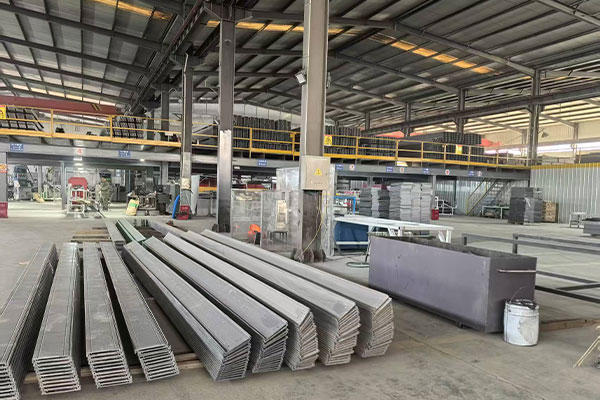
Ladder trays are widely used in:
- Power distribution systems
- Industrial automation facilities
- Oil, gas, and energy infrastructure
- Large commercial buildings
- Data and communication networks
Their adaptability makes them suitable for both new installations and system upgrades.
Conclusion
A ladder tray is a highly efficient and reliable solution for industrial cable routing. Its combination of strength, ventilation, and accessibility makes it ideal for demanding environments where safety and performance are critical.
By choosing the right material and following proper installation practices, ladder trays can significantly improve cable organization, reduce maintenance costs, and support long-term system expansion.
FAQ
What is a ladder tray used for in cable routing?
A ladder tray is used to support and organize electrical and communication cables in industrial systems. Its open ladder-like structure improves airflow, reduces heat buildup, and allows easy installation, inspection, and future cable expansion.
Why choose a ladder tray instead of a solid cable tray?
Ladder trays provide better ventilation and higher load capacity compared to solid trays. They are ideal for industrial environments where heat dissipation, heavy cable bundles, and easy maintenance access are important for system performance.
What materials are commonly used for ladder trays?
Common materials include galvanized steel for strength and cost efficiency, stainless steel for corrosion resistance, aluminum for lightweight installation, and FRP for chemical resistance and non-conductive applications in harsh environments.
How much load can a ladder tray support?
Load capacity depends on tray size, material, and support span. Ladder trays are designed for heavy industrial cable loads and can support long spans when properly engineered, making them suitable for high-voltage and dense cable routing systems.
How is a ladder tray installed in industrial systems?
Installation involves planning the cable route, fixing support brackets, assembling tray sections, and ensuring proper alignment. Cables should be evenly distributed, and grounding must be applied where required to ensure safety and compliance.
Need Help Choosing the Right Ladder Tray System?
If you’re unsure which ladder tray solution is best for your industrial cable routing project, our experts are here to help. Contact us today for a personalized consultation, and ensure your cable management system is safe, efficient, and built for long-term performance. Don’t wait until issues arise—get in touch now to optimize your wiring infrastructure and protect your operations!