Table of Contents
Introduction
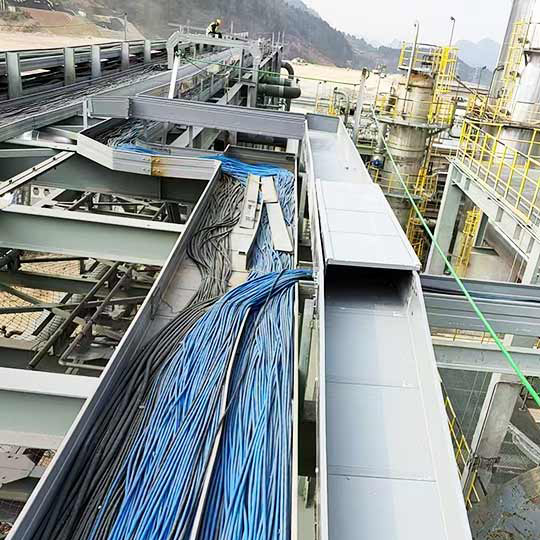
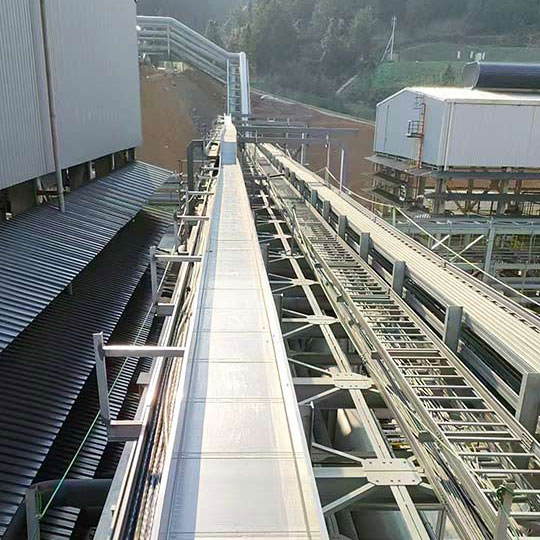
Cable tray systems are a critical part of modern electrical infrastructure, providing structured support for power, control, and communication cables. Proper cable tray design is not only about organizing wiring but also about ensuring safety, load stability, heat dissipation, and long-term system reliability.
In engineering practice, cable support system design is guided by established standards and technical principles that help ensure consistent performance across industrial, commercial, and infrastructure projects. Understanding these standards helps you avoid installation failures, reduce maintenance costs, and improve overall system efficiency.
What Is a Cable Tray System?
A cable support system is a support system used to route and protect electrical cables in buildings and industrial environments. It replaces traditional conduit in many applications due to its flexibility, ease of installation, and scalability.
Common types include:
- Ladder cable trays
- Perforated cable trays
- Solid-bottom cable trays
- Wire mesh cable trays
Each type serves different load, ventilation, and environmental requirements.
Key Cable Tray Design Standards
Cable support system design follows internationally recognized engineering guidelines to ensure safety and performance. While exact codes may vary by region or industry, the core principles remain consistent.
Load Capacity Standards
Cable support systems must be designed to support:
- Cable weight (static load)
- Future expansion load
- Environmental stress (wind, vibration, thermal expansion)
Engineering references commonly recommend designing with a safety factor of 1.5 to 2.0 times the expected maximum load.
Deflection Control Standards
Excessive bending can damage cables and reduce system lifespan. Industry guidelines typically limit deflection to:
- Span/200 for general installations
- Stricter limits for sensitive or high-voltage systems
This ensures structural stability under continuous load.
Material Selection Standards
Material choice directly impacts durability and performance:
- Galvanized steel: High strength, cost-effective, widely used
- Stainless steel: Excellent corrosion resistance for harsh environments
- Aluminum: Lightweight and easy to install
- FRP (fiberglass reinforced polymer): Corrosion-proof and non-conductive
Selection depends on environmental exposure, load requirements, and installation conditions.
Fire Safety and Electrical Continuity
Cable tray systems must maintain electrical continuity and support fire safety requirements. In many engineering applications:
- Grounding is required for metallic trays
- Fire-resistant coatings may be used
- Separation between power and communication cables is recommended
This reduces risk of electrical faults and system failure.
Environmental and Corrosion Considerations
Cable support system systems must be designed for their environment:
- Indoor dry environments: standard galvanized trays are sufficient
- Humid or chemical environments: stainless steel or FRP preferred
- Outdoor exposure: UV-resistant and corrosion-proof materials required
According to industrial equipment reliability studies, corrosion-related failures account for a significant portion of tray replacement costs when improper materials are used.
Engineering Guidelines for Cable Tray Design
Proper Load Distribution
Avoid concentrated loads by evenly distributing cables across the tray width. Overloading one section can lead to deformation and premature failure.
Support Span Optimization
Support spacing depends on tray type and load:
| Cable Tray Type | Typical Support Span |
|---|---|
| Ladder Type | 2.5–6 meters |
| Perforated Tray | 2–3 meters |
| Wire Mesh Tray | 1.5–3 meters |
Longer spans require stronger materials or additional supports.
Thermal Management
Cable support systems should allow sufficient airflow to prevent heat buildup. Poor ventilation can reduce cable lifespan and increase resistance losses.
Ladder and wire mesh trays are preferred for high-heat environments due to open structure design.
Expansion Planning
Modern facilities often expand over time. A good cable support system design should:
- Allow additional cable installation
- Support modular extensions
- Avoid full system replacement during upgrades
Planning for 20–30% future capacity is a common engineering practice.
Installation Accuracy
Incorrect installation is one of the most common causes of cable support system failure. Key requirements include:
- Level alignment across supports
- Proper grounding for metallic systems
- Correct torque on fasteners
- Avoiding sharp bends or stress points
Common Cable Tray Design Mistakes
Even experienced installers can make errors that affect performance:
- Overloading trays beyond rated capacity
- Ignoring environmental corrosion factors
- Insufficient support spacing
- Mixing incompatible tray materials
- Poor grounding practices
Avoiding these mistakes significantly improves system reliability and reduces maintenance costs.
Best Practices for Long-Term Performance

To ensure long-term efficiency and safety:
- Perform periodic inspections every 6–12 months
- Clean dust and debris buildup
- Check for corrosion or structural deformation
- Verify cable arrangement and load balance
- Ensure grounding integrity remains intact
Proper maintenance can extend system lifespan by 30–50% depending on environment and usage intensity.
Conclusion
Cable support system design is not just a mechanical selection process—it is an engineering decision that impacts safety, efficiency, and long-term operational cost. By following recognized design standards and engineering guidelines, you can ensure stable cable management systems that support both current and future infrastructure needs.
A well-designed cable tray system improves airflow, simplifies maintenance, and reduces downtime, making it an essential component of modern electrical engineering projects.
FAQ
What is a cable tray used for in electrical systems?
A cable tray is a support system used to route and organize electrical, control, and communication cables. It improves safety, allows better airflow, simplifies maintenance, and supports future expansion in industrial and commercial installations.
What are the main cable tray design standards?
Cable tray design standards focus on load capacity, deflection limits, material selection, grounding, and environmental suitability. Engineers typically apply safety factors and follow guidelines to ensure structural stability and long-term reliability.
How do you choose the right cable tray material?
Material selection depends on environment and load. Galvanized steel offers strength and cost efficiency, aluminum is lightweight, stainless steel resists corrosion, and FRP is ideal for harsh or chemical environments.
What is the standard support span for cable trays?
Support span varies by tray type and load. Ladder trays typically range from 2.5–6 meters, perforated trays around 2–3 meters, and wire mesh trays about 1.5–3 meters. Heavier loads require shorter spans or extra supports.
Why is deflection important in cable tray design?
Deflection control prevents tray bending under load, protecting cables from stress or damage. Engineering standards usually limit deflection to span/200 or stricter values for sensitive systems to ensure safe and stable performance.
Need Help Choosing the Right Cable Tray System?
If you’re unsure which cable tray solution is best for your project or installation environment, our experts are here to help. Contact us today for a personalized consultation, and ensure your cable management system is safe, efficient, and fully compliant with engineering standards. Don’t wait until issues arise—get in touch now to optimize your wiring infrastructure and protect your operations!