Table of Contents
Introduction

Cable trays are essential components in modern electrical infrastructure, providing structured pathways for power and communication cables. They are designed to simplify installation, ensure safety, and allow for easy maintenance and scalability. Effective cable management is a critical factor in preventing equipment downtime, maintaining operational efficiency, and ensuring compliance with industry safety standards.
Galvanized cable trays and aluminum trays are among the most common solutions for industrial and commercial installations. Understanding the differences between these materials can help you choose the right solution for your facility, ensuring long-term reliability and cost-effectiveness.
Understanding Galvanized Cable Trays
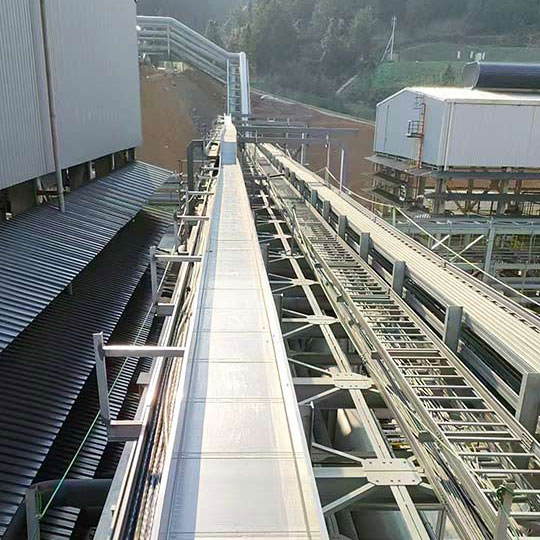
Galvanized cable trays are made from steel coated with a layer of zinc, which provides protection against corrosion and environmental degradation. This type of tray is renowned for its strength, durability, and resistance to heavy loads, making it ideal for industrial facilities with high cable density.
Typical applications include power plants, manufacturing facilities, and large commercial buildings, where cable trays must support significant weight and endure exposure to varying temperatures and humidity levels. According to industry studies, galvanized trays can last over 15-20 years under standard operating conditions when properly maintained.
Understanding Aluminum Cable Trays
Aluminum cable trays offer a lightweight alternative to galvanized trays, making them easier to handle and install. They naturally resist corrosion, which is advantageous in moist or chemically aggressive environments. Aluminum trays are particularly suitable for applications where rapid installation and frequent adjustments are required.
However, aluminum trays have lower load-bearing capacity compared to galvanized steel, which may limit their use in heavy-duty installations. They are widely used in data centers, commercial buildings, and facilities where reducing structural weight is a priority.
Key Differences Between Galvanized and Aluminum Trays
When deciding between galvanized and aluminum trays, it is important to consider the following factors:
| Feature | Galvanized Cable Trays | Aluminum Cable Trays |
|---|---|---|
| Material Strength | High, suitable for heavy loads | Moderate, ideal for light to medium loads |
| Corrosion Resistance | Good, zinc coating protects steel | Excellent, naturally corrosion-resistant |
| Weight | Heavier, may require additional support | Lightweight, easy to handle and install |
| Installation | Requires more labor due to weight | Faster and easier installation |
| Lifespan | 15-20 years under normal conditions | 10-15 years depending on environment |
This comparison highlights that the choice depends on your facility’s structural capacity, environmental conditions, and maintenance preferences.
Advantages of Galvanized Cable Trays
- Industrial Durability: Galvanized trays are highly resistant to mechanical stress and can support heavy cables without deformation.
- Fire Safety: Steel provides inherent fire resistance, reducing risk in critical installations.
- Cost-Effectiveness: Despite slightly higher upfront installation effort, the long-term durability reduces replacement and maintenance costs.
- Scalability: Galvanized trays can accommodate future expansion without compromising structural integrity.
Advantages of Aluminum Cable Trays
- Lightweight Handling: Easier for technicians to install and reposition during maintenance.
- Fast Installation: Reduced labor and structural support requirements make them ideal for large projects with tight deadlines.
- Corrosion Resistance: Naturally withstands humid or chemically active environments without additional coatings.
- Adaptability: Well-suited for facilities requiring frequent rerouting or cable adjustments.
Choosing the Right Cable Tray for Your Facility
Selecting the optimal cable tray involves evaluating load capacity, environmental factors, budget, and project lifespan. Galvanized trays are better for heavy-duty, long-term installations, especially where structural durability is a priority. Aluminum trays excel in light to medium applications with a focus on rapid installation and corrosion resistance.
When evaluating suppliers, ensure they provide proper certifications, installation manuals, and compliance documentation to guarantee quality and safety. Partnering with experienced manufacturers reduces installation errors and extends tray lifespan.
Installation and Maintenance Tips

- Planning: Map cable routes, load distribution, and support points before installation.
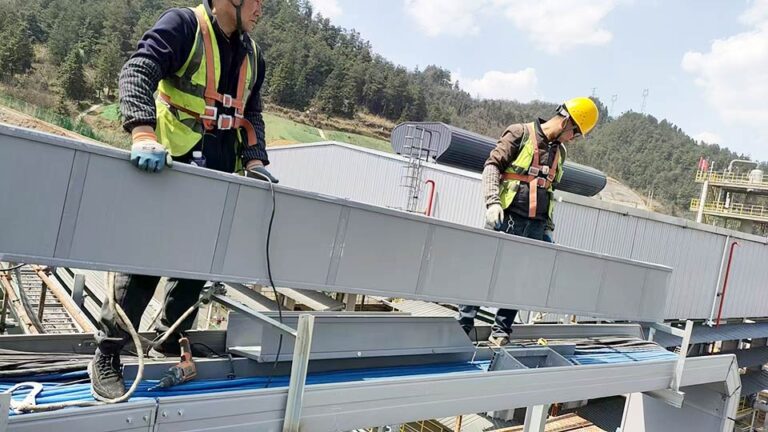
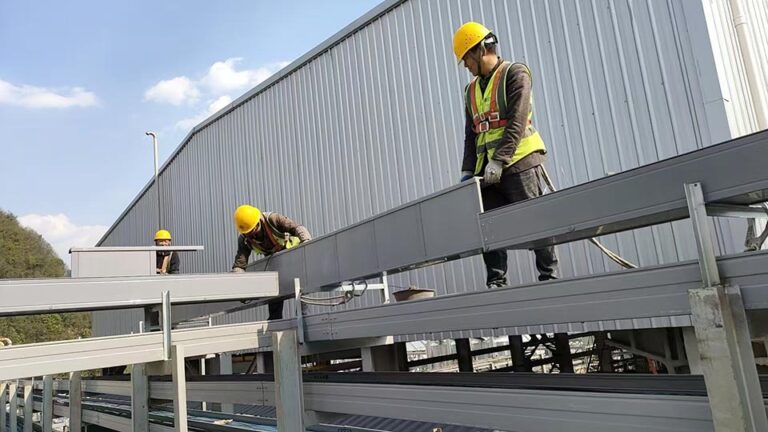
- Proper Mounting: Use appropriate brackets and fasteners; ensure trays are level and properly aligned.
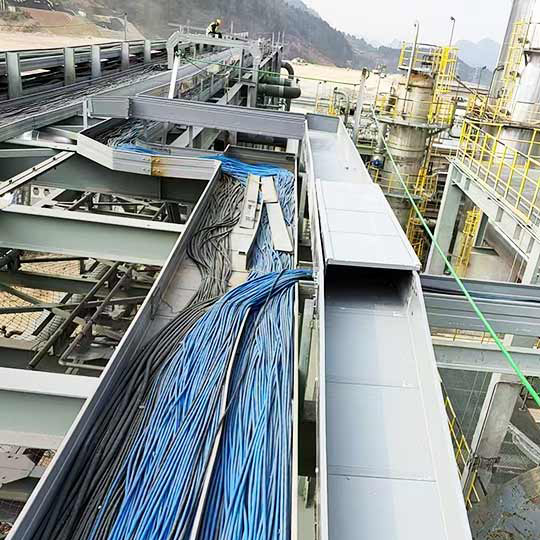
- Cable Organization: Maintain proper spacing to avoid overloading; group similar cables together.
- Regular Inspection: Check for corrosion, loose fittings, and damaged cables every six months.
- Cleaning: Remove dust and debris to maintain airflow and prevent overheating.
Following these practices ensures both galvanized and aluminum trays perform reliably over time, minimizing downtime and safety hazards.
Conclusion
Choosing between galvanized and aluminum cable trays depends on your facility’s specific requirements. For high-load, long-term durability, galvanized trays offer unmatched reliability. For lightweight, rapid-install projects or corrosive environments, aluminum trays provide flexibility and efficiency.
FAQ
What are galvanized cable trays?
Galvanized cable trays are steel trays coated with zinc to prevent corrosion. They provide strong, durable support for electrical and data cables, simplify installation, and improve cable organization in industrial and commercial facilities.
How do galvanized cable trays compare to aluminum trays?
Galvanized trays are heavier and stronger, ideal for heavy-duty applications, while aluminum trays are lightweight and easier to install. Galvanized trays offer longer lifespan and fire resistance, whereas aluminum excels in corrosion-prone or flexible installations.
What types of galvanized cable trays are available?
Common types include ladder trays for heavy loads, perforated trays for general airflow, and solid bottom trays for sensitive or high-density cables. Each type serves specific installation requirements and environmental conditions.
How do you install galvanized cable trays safely?
Installation involves planning routes, mounting support brackets, securing trays, and routing cables without overloading. Proper grounding, spacing, and following manufacturer guidelines ensure safety, durability, and compliance with electrical standards.
Why choose galvanized cable trays for your facility?
They provide durability, fire resistance, and long-term cost efficiency. Galvanized trays handle heavy cables, support future expansion, and reduce maintenance needs, making them a reliable choice for industrial and commercial cable management.
Need Help Choosing the Right Galvanized Cable Trays?
If you’re unsure which galvanized cable trays are best for your facility or project, our experts are here to help. Contact us today for a personalized consultation, and ensure your cable management system is safe, efficient, and up to industry standards. Don’t wait until issues arise—get in touch now to protect your infrastructure and streamline your operations!