Table of Contents
Introduction
Cable tray for power plant applications must meet strict requirements for durability, load capacity, corrosion resistance, and operational safety. Power plants contain extensive electrical systems, including power distribution cables, control wiring, instrumentation cables, and communication systems that require organized and secure cable routing.
A high-quality cable tray system ensures efficient cable management, minimizes maintenance challenges, and improves the long-term reliability of electrical infrastructure. Because power plants often operate under demanding environmental conditions such as heat, humidity, vibration, and chemical exposure, selecting the right cable tray for power plant projects is essential.
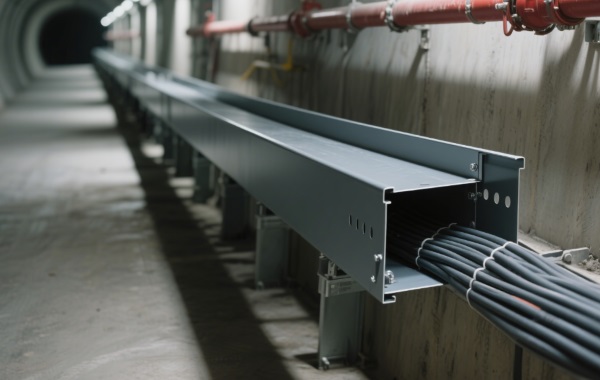
Tray type cable trays are commonly used in power plants because they provide continuous cable support, excellent cable protection, and reliable structural performance.
Why Cable Tray Systems Are Important in Power Plants
Power plants rely on complex electrical networks to maintain stable operations. Poor cable management can increase maintenance costs, create safety risks, and reduce operational efficiency.
Cable tray systems help organize electrical cables in a structured layout, making inspection, maintenance, and future upgrades easier. Proper cable routing also reduces the risk of overheating, cable damage, and electrical interference.
In modern power plants, cable trays are widely preferred over conduit systems because they provide easier access, lower installation costs, and better scalability for future expansion.
Key Requirements for Cable Tray for Power Plant Projects
Cable trays used in power plants must meet several performance requirements.
High load capacity is essential because power plants often contain large volumes of heavy power cables. Strong structural performance prevents sagging and maintains cable safety.
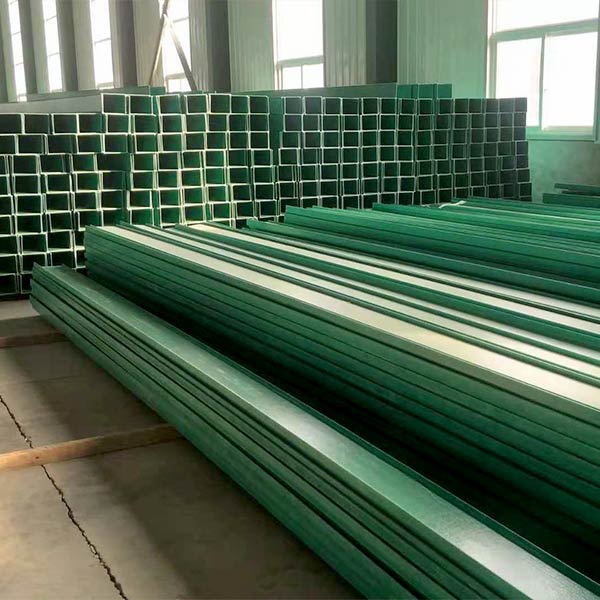
Corrosion resistance is another important factor. Depending on the plant environment, hot-dip galvanized or stainless steel tray cable trays may be required to resist moisture, chemicals, and harsh operating conditions.
Fire safety performance is also critical. Cable tray systems should support organized cable separation and comply with electrical safety regulations.
Long service life helps reduce replacement frequency and maintenance costs, particularly for facilities designed for decades of operation.
Finally, flexible installation capability is important because cable routing in power plants often includes long distances, elevation changes, and complex layouts.
Recommended Cable Tray Types for Power Plants
Different areas of a power plant may require different cable tray configurations.
Tray type cable trays are commonly used for control cables, instrumentation wiring, and multi-layer cable installations because they provide continuous support and improved cable protection.
Heavy-duty tray cable trays are recommended for high-load electrical systems where large power cables must be supported safely.
Hot dip galvanized tray cable trays are ideal for outdoor installations and humid environments due to their superior corrosion resistance.
Stainless steel tray cable trays may be preferred in highly corrosive areas or chemical processing zones.
Selecting the appropriate cable tray type depends on environmental conditions, cable weight, and system layout.
Technical Specifications
Below are typical specifications for cable tray systems used in power plant projects.
| Specification Item | Typical Range |
|---|---|
| Tray Width | 100 mm – 1000 mm |
| Side Rail Height | 50 mm – 200 mm |
| Steel Thickness | 1.5 mm – 3.0 mm |
| Length per Section | 2 m / 2.5 m / 3 m |
| Surface Treatment | Hot Dip Galvanized / Stainless Steel |
| Load Capacity | Medium to Heavy Duty |
| Installation Method | Ceiling, Wall, Floor, Tunnel |
Specifications should be selected according to cable quantity, weight, and installation environment.
Benefits of Tray Type Cable Tray in Power Plants
Tray type cable trays provide full bottom support, making them highly suitable for power plants with dense cable installations.
They help protect sensitive control cables and reduce cable movement caused by vibration. The enclosed tray structure also improves cable organization and reduces mechanical damage risks.
Because tray systems simplify cable access, maintenance teams can inspect or replace cables more efficiently, minimizing downtime.
Expansion is another advantage. Additional cables can be added to existing tray systems without major reconstruction, helping facilities adapt to future upgrades.
Installation Considerations
Proper installation is essential for ensuring long-term reliability.
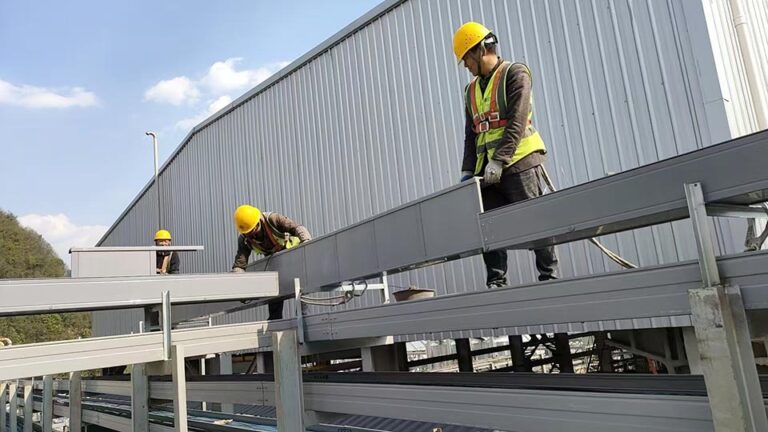
Support spacing should be carefully calculated according to cable weight and tray dimensions. Expansion joints may be required in long cable runs to account for thermal movement.
Grounding and bonding should follow electrical safety standards to protect against fault currents.
Outdoor tray installations should use hot dip galvanized finishes and protective covers to reduce environmental exposure.
Separating power cables from communication cables can also help reduce signal interference and improve system stability.
Maintenance and Reliability
Routine inspection helps maintain cable tray performance and operational safety.
Maintenance teams should inspect trays for loose fasteners, corrosion, coating damage, and structural deformation. Cable organization should also be reviewed periodically to ensure safe routing and prevent overcrowding.
High-quality cable tray systems can operate effectively for decades in power plant environments with proper maintenance.
Why Choose the Right Cable Tray Supplier for Power Plant Projects
Power plant projects demand high-performance products and dependable supply chains.
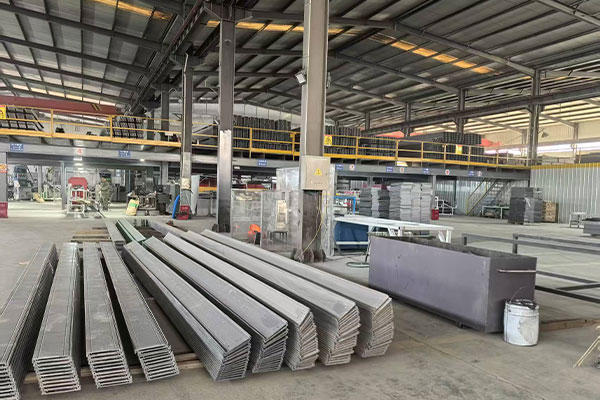
A reliable supplier provides not only high-quality tray cable systems but also engineering support, customization options, and consistent delivery schedules.
Choosing the right supplier helps reduce project risk, improve installation efficiency, and ensure long-term operational reliability.
FAQ
What type of cable tray is best for power plants?
Tray type cable trays and heavy-duty tray cable trays are commonly used because they provide strong support and cable protection.
Why is hot dip galvanized cable tray recommended for power plants?
Hot dip galvanizing provides strong corrosion resistance, making it suitable for outdoor and humid environments.
Can tray cable trays support heavy power cables?
Yes. Heavy-duty tray cable trays are specifically designed for large cable loads and industrial applications.
Are cable trays better than conduit systems in power plants?
In many cases, yes. Cable trays provide easier access, lower installation costs, and greater flexibility for future upgrades.
Can cable trays be customized for power plant projects?
Yes. Dimensions, thickness, material, and accessories can be customized based on project requirements.
Need a Reliable Cable Tray for Power Plant Projects?
If your power plant project requires durable and high-performance cable management systems, our team is ready to help. We provide tray type cable trays designed for heavy-duty applications, long service life, and reliable cable protection.
Contact us today for customized solutions, competitive pricing, and expert technical support. Let us help you build a safer and more efficient power plant cable system.