Table of Contents
Introduction
Choosing the right cable tray supplier is a critical decision for any electrical installation project, especially in industrial plants, commercial buildings, energy facilities, and large infrastructure developments. A reliable supplier not only provides high-quality cable tray systems but also ensures stable delivery, engineering support, and cost efficiency throughout the project lifecycle.
In modern construction, cable management systems directly affect installation safety, maintenance efficiency, and long-term operational stability. Therefore, selecting a qualified cable tray supplier is not just a procurement decision but also an engineering decision.
A strong supplier relationship helps reduce project risk, avoid material delays, and ensure consistent quality across all cable tray components including tray type cable trays, ladder trays, and accessories.

What Does a Cable Tray Supplier Do
A cable tray supplier acts as a bridge between manufacturing and project execution. Their responsibilities go beyond simply selling products. They ensure that the correct cable tray system is selected, properly configured, and delivered according to project schedules.
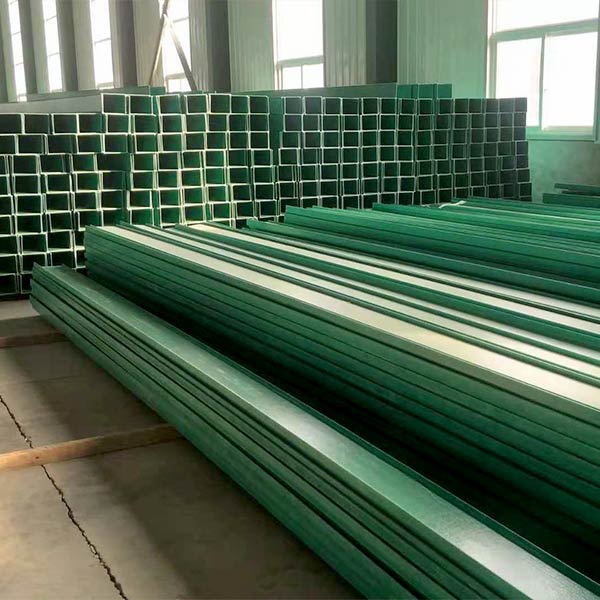
A professional supplier typically provides tray type cable trays, ladder cable trays, and full accessory systems including bends, tees, reducers, supports, and covers. They also assist with technical documentation such as load capacity data, installation guidelines, and material specifications.
In many cases, suppliers also coordinate production with factories, manage export logistics, and support bulk procurement for large-scale projects.
Key Factors When Choosing a Cable Tray Supplier
When evaluating a cable tray supplier, several important factors should be considered to ensure project success.
Product quality is the foundation. The supplier must provide cable trays made from high-grade steel or stainless steel with consistent surface treatment quality.
Supply chain stability is equally important. Delays in cable tray delivery can impact entire construction schedules, so reliable sourcing and inventory management are essential.
Engineering capability is another key factor. A strong supplier should be able to support technical selection, load calculation, and installation planning.
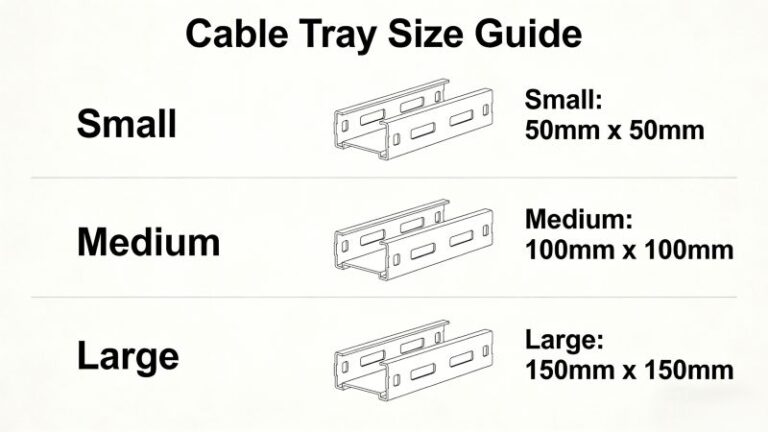
Customization capability is critical for complex projects where standard sizes are not sufficient. This includes custom widths, thicknesses, coatings, and structural reinforcement.
Pricing structure should be transparent and competitive, especially for bulk or long-term procurement.
After-sales support ensures long-term cooperation, including replacement support, technical consultation, and quality assurance.
Product Range and Supply Capability
A professional cable tray supplier usually offers a complete range of cable management products to support different industries and applications.
| Product Category | Description |
|---|---|
| Tray Type Cable Tray | Solid-bottom system for cable protection and organization |
| Ladder Cable Tray | Open structure for high-load and high-ventilation applications |
| Materials | Carbon steel, stainless steel |
| Surface Treatment | Pre-galvanized, hot-dip galvanized, powder coated |
| Accessories | Bends, tees, reducers, covers, clamps, supports |
| Custom Solutions | Non-standard dimensions and project-specific designs |
A complete product portfolio allows suppliers to support integrated system design rather than individual components only.
Engineering and Technical Support
A high-level cable tray supplier does more than supply materials. They provide engineering assistance throughout the project.
This includes recommending suitable tray types based on load requirements, helping calculate cable weight distribution, and suggesting optimal support spacing. Suppliers may also provide CAD drawings or layout suggestions for complex installations.
For industrial projects, engineering support ensures compliance with safety standards and reduces installation errors.
Applications Across Industries
Cable tray suppliers serve a wide range of industries with different technical requirements.
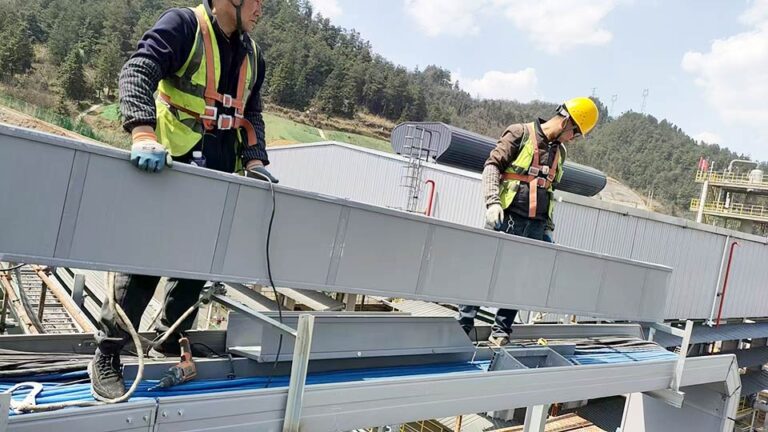
Industrial manufacturing facilities rely on cable trays for automation systems, power distribution, and machinery wiring. Commercial buildings use cable trays for lighting systems, HVAC controls, and communication networks.
Infrastructure projects such as airports, rail systems, and tunnels require durable and scalable cable management solutions. Power plants, substations, and renewable energy facilities demand high-strength tray systems capable of handling heavy electrical loads.
Data centers also depend heavily on organized cable tray systems to manage dense power and communication cabling efficiently.
Comparison of Supplier Types
Not all cable tray suppliers operate at the same level. Understanding supplier types helps in making better procurement decisions.
Local distributors usually offer fast delivery but limited customization. Trading companies provide flexible sourcing but may lack engineering depth. Direct manufacturers offer full customization and technical support but may require larger order volumes.
A professional cable tray supplier often combines manufacturing access with distribution capability, providing both flexibility and technical reliability.
Procurement Process and Quotation Guide
To obtain an accurate quotation from a cable tray supplier, detailed project information should be provided.
This includes cable tray type, dimensions, thickness, material, surface treatment, quantity, installation environment, and project location. Providing clear specifications helps suppliers offer precise pricing and suitable technical recommendations.
For large projects, it is common for suppliers to provide tiered pricing based on volume and long-term cooperation potential.
Quality Assurance and Compliance
Reliable cable tray suppliers ensure that products meet international quality and safety standards. This includes material testing, coating thickness inspection, load testing, and dimensional verification.
Many suppliers also provide certification documents for industrial and government projects, ensuring compliance with engineering and safety regulations.
Long-Term Value of Choosing the Right Supplier
Selecting the right cable tray supplier is not only about initial cost but also long-term project value. A reliable supplier reduces maintenance costs, minimizes downtime risk, and ensures system durability.
Consistent product quality and stable supply also help contractors and distributors build stronger project execution capability and customer trust.
FAQ
What is a cable tray supplier?
A cable tray supplier provides cable management systems including tray type cable trays, ladder trays, and accessories for electrical installations.
What is the difference between supplier and manufacturer?
A manufacturer produces cable trays, while a supplier distributes, manages inventory, and provides procurement support. Some companies perform both roles.
Can suppliers provide customized cable trays?
Yes, many suppliers offer custom dimensions, materials, coatings, and accessories based on project requirements.
Which industries use cable tray systems?
They are used in industrial plants, commercial buildings, infrastructure projects, power stations, and data centers.
How do I choose a reliable supplier?
Evaluate product quality, engineering support, supply stability, pricing, and after-sales service.
Do suppliers support international projects?
Yes, many professional suppliers provide global shipping and export documentation support.
Looking for a Reliable Cable Tray Supplier?
If you are sourcing cable tray systems for your next project, choosing the right supplier can significantly improve efficiency, reduce costs, and ensure long-term performance. Our team provides high-quality cable tray solutions, engineering support, and competitive pricing for global projects.
Contact us today to get a customized quotation and professional technical support. Let us help you build a safe, reliable, and efficient cable management system for your project.