Table of Contents
Introduction

A wire cable tray is a robust cable management solution designed to support and organize electrical cables across various installations. Unlike traditional conduit systems, wire cable trays provide an open structure that facilitates air circulation, reduces heat buildup, and allows for quick installation and maintenance. They are widely used in commercial buildings, industrial plants, data centers, and infrastructure projects where safety, efficiency, and scalability are critical.
Proper cable management is no longer optional. According to industry reports, organized cabling can reduce downtime by up to 30% and improve overall system reliability. Wire cable trays are central to achieving these benefits because they provide a clear, structured path for routing power and communication cables.
Types of Wire Cable Trays
Cable tray systems come in multiple configurations to suit different installation environments. The most common types include ladder, solid bottom, and perforated trays. Each type serves specific needs:
- Ladder Type Wire Cable Tray: Features a ladder-like structure ideal for heavy-duty installations and allows maximum airflow.
- Solid Bottom Wire Cable Tray: Offers complete support and protection for sensitive cables, minimizing exposure to dust and contaminants.
- Perforated Wire Cable Tray: Combines partial protection with airflow efficiency, often used in mixed environments with moderate load requirements.
Comparison Table: Wire Cable Tray Types
| Tray Type | Best Use Case | Advantages | Limitations |
|---|---|---|---|
| Ladder | Industrial heavy cabling | Excellent airflow, strong load support | Not suitable for small or delicate cables |
| Solid Bottom | Sensitive data or power cables | Maximum protection, easy cable routing | Less ventilation, heavier weight |
| Perforated | General-purpose installations | Balance of protection and airflow | Moderate load capacity |
Materials Used for Wire Cable Trays
Material choice significantly affects durability, load capacity, and installation environment suitability. The most commonly used materials include:
- Stainless Steel: Resistant to corrosion, suitable for harsh environments, and provides long-term durability.
- Aluminum: Lightweight, corrosion-resistant, and easy to handle during installation.
- Galvanized Steel: Cost-effective, strong, and commonly used in standard industrial applications.
Choosing the right material ensures your cable tray system can handle the required load and environmental conditions. For instance, stainless steel trays can last over 20 years in high-humidity or corrosive environments, according to industrial equipment manufacturers.
Advantages of Using Wire Cable Trays
Cable tray systems offer multiple advantages over other cable management systems:
- Improved Cable Organization: Clearly defined cable paths prevent tangling and make troubleshooting faster.
- Enhanced Safety: Reduced overheating and fire risk due to better airflow and spacing.
- Easy Maintenance: Open designs allow technicians to inspect, replace, or add cables without dismantling entire systems.
- Cost-Effectiveness: While initial costs may be higher than simple conduit systems, the reduction in maintenance time and increased project efficiency yields long-term savings.
In addition, cable tray systems facilitate scalability, making them ideal for projects that may expand or change over time.
Wire Cable Tray vs Other Cable Management Systems
Choosing the right cable management solution depends on the project’s requirements. Cable tray systems are often compared to conduit and cable ladder systems:
- Wire Cable Tray vs Conduit: Wire trays are faster to install, easier to maintain, and provide superior airflow. Conduits, however, offer complete protection against dust, water, and physical damage.
- Wire Cable Tray vs Cable Ladder: Both support heavy loads, but wire trays offer more flexibility for data and mixed cabling, while ladders excel in purely power-heavy applications.
Selecting the appropriate system requires evaluating load capacity, environmental conditions, and future expansion needs.
Installation Guide for Wire Cable Trays
A well-planned installation ensures safety and long-term performance. Key steps include:
- Planning and Layout: Determine cable routes, load distribution, and attachment points.
- Tools and Accessories: Common tools include measuring equipment, drills, fasteners, and grounding materials.
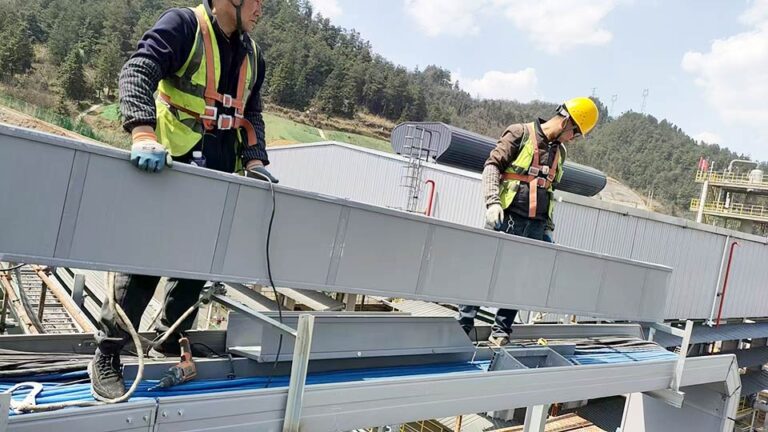
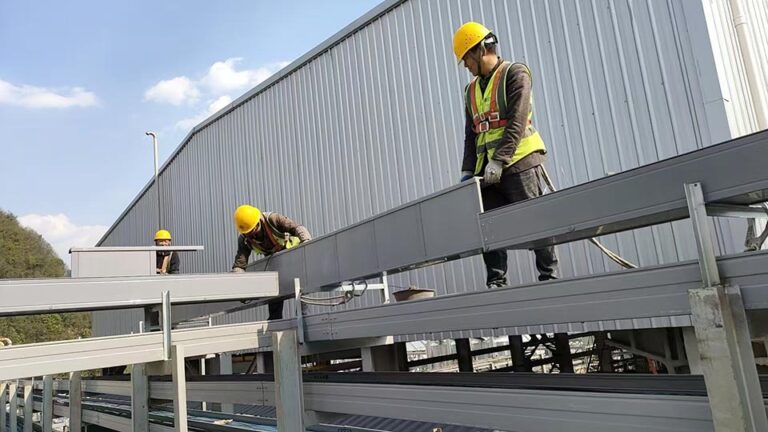
- Step-by-Step Process: Mount support brackets, secure the trays, and properly lay cables according to standards.
- Avoid Common Mistakes: Overloading trays, improper grounding, and inconsistent spacing can lead to safety hazards.
Following manufacturer guidelines and industry standards ensures compliance and performance.
Maintenance and Safety Tips
Regular maintenance improves operational efficiency and prolongs the lifespan of cable tray systems:
- Inspection Checklist: Check for loose fasteners, corrosion, and cable wear every six months.
- Cleaning: Dust and debris should be removed to maintain airflow and prevent overheating.
- Load Management: Avoid exceeding the rated capacity; distribute cables evenly to prevent stress.
- Compliance: Follow electrical codes and safety regulations to minimize risk.
Consistent maintenance reduces downtime and protects both equipment and personnel.
How to Choose the Right Wire Cable Tray Supplier

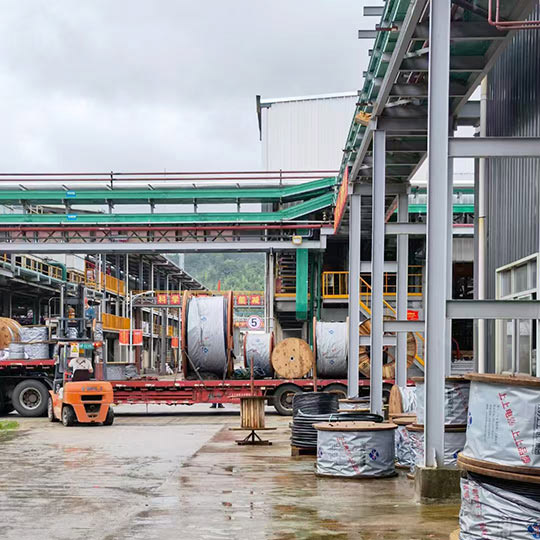
Selecting a reliable supplier is essential for quality and compliance:
- Factors to Consider: Material quality, load capacity, certifications (ISO, UL), and warranty.
- Supplier Options: Established manufacturers typically provide detailed specifications, custom solutions, and bulk purchase options.
- Purchase Considerations: Evaluate whether bulk or customized trays best suit project requirements.
- Support and Documentation: Ensure suppliers provide installation manuals, load charts, and compliance documentation.
Working with a professional supplier guarantees long-term reliability and reduces project risks.
Conclusion
Cable tray systems are more than just a method to route cables—they are a strategic component in any modern electrical project. From improving cable organization and safety to enabling easy maintenance and scalability, their benefits are substantial. By choosing the right type, material, and supplier, your project can achieve higher efficiency, compliance, and long-term reliability.
FAQ
What is a wire cable tray?
A cable tray system is a structured pathway designed to support and organize electrical cables. It allows for efficient cable routing, improved airflow, easy maintenance, and scalability in industrial, commercial, and data center installations.
What types of cable tray systems are available?
Common types include ladder, perforated, and solid bottom trays. Ladder trays support heavy loads with maximum airflow, perforated trays balance airflow and protection, and solid bottom trays protect sensitive cables from dust and damage.
How do I install a cable tray system?
Installation involves planning cable routes, mounting support brackets, securing trays, and routing cables according to load and spacing standards. Proper grounding and avoiding overloading are crucial for safety and durability.
What materials are used for wire cable trays?
Wire cable trays are typically made from stainless steel, aluminum, or galvanized steel. Material choice affects durability, corrosion resistance, and load capacity, allowing selection based on environmental and project requirements.
Why should I use a wire cable tray instead of conduit?
Wire cable trays allow faster installation, easier cable management, and better airflow compared to conduit systems. They simplify maintenance, reduce downtime, and support future expansions, making them ideal for scalable projects.
Need Help Choosing the Right Wire Cable Tray?
If you’re unsure about which wire cable tray is best for your project or facility, our experts are here to help. Contact us today for a personalized consultation, and ensure your cable management system is efficient, safe, and up to industry standards. Don’t wait until issues arise—get in touch now to protect your infrastructure and streamline your operations!