Table of Contents
Introduction
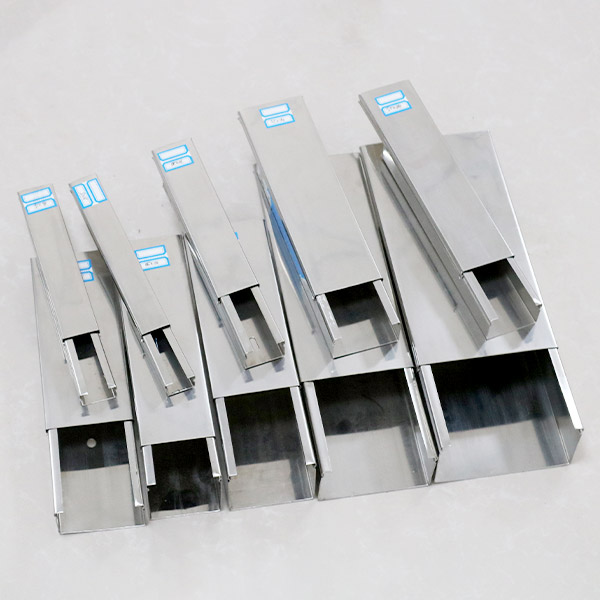
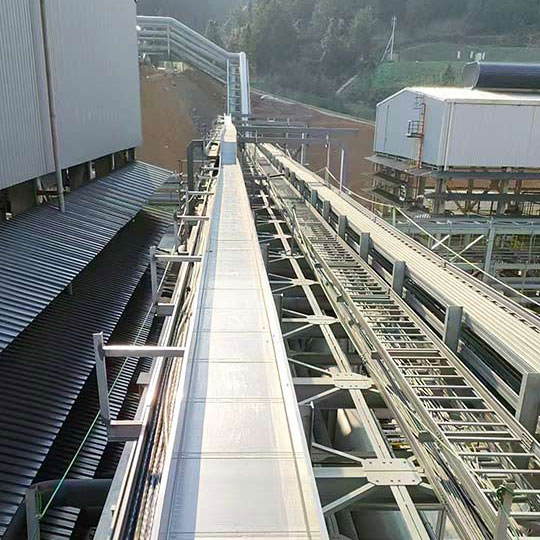
FRP cable trays, short for fiber-reinforced polymer cable trays, are becoming a preferred solution for modern electrical infrastructure. They provide a structured pathway for power, data, and communication cables while ensuring safety, durability, and flexibility. Effective cable management is critical in reducing downtime, preventing hazards, and improving operational efficiency.
Unlike traditional steel or aluminum trays, FRP cable trays combine strength with corrosion resistance, making them suitable for industrial, commercial, and outdoor applications. According to a study by the International Cable Tray Association, FRP trays can last over 20 years in corrosive environments with minimal maintenance, outperforming other materials in harsh conditions.
Types of FRP Cable Trays
FRP cable trays come in different designs to meet various project requirements:
- Ladder Type FRP Cable Trays: These feature side rails with rungs for strong support, ideal for heavy cables and large installations.
- Perforated FRP Cable Trays: Designed with small holes to allow airflow, reduce weight, and prevent water accumulation.
- Solid Bottom FRP Cable Trays: Fully enclosed, protecting sensitive cables from dust, debris, or chemical exposure.
Choosing the right type depends on load requirements, environmental factors, and installation space.
Advantages of FRP Cable Trays
Fiberglass reinforced cable trays offer multiple advantages that make them superior for cable management:
- Corrosion Resistance: Resistant to chemicals, moisture, and UV exposure, reducing replacement frequency.
- Lightweight: Easier to transport and install compared to steel or aluminum trays, which reduces labor costs.
- Fire Resistance: High thermal stability enhances safety in industrial or commercial setups.
- Long Lifespan: With proper maintenance, FRP trays can last over two decades, providing a cost-effective solution for long-term projects.
FRP Cable Trays vs Other Materials
Comparing Fiberglass reinforced cable trays with steel and aluminum trays can help you make an informed decision.
| Feature | FRP Cable Trays | Steel Cable Trays | Aluminum Cable Trays |
|---|---|---|---|
| Weight | Lightweight | Heavy | Moderate |
| Corrosion Resistance | Excellent | Moderate, requires coating | Excellent |
| Load Capacity | High | Very High | Moderate |
| Fire Resistance | High | High | Moderate |
| Maintenance | Low | Medium | Medium |
| Lifespan | 20+ years | 10-15 years | 10-12 years |
This table demonstrates that FRP trays offer a balanced solution for durability, safety, and ease of installation.
Key Considerations When Choosing FRP Cable Trays
When selecting Fiberglass reinforced cable trays for your facility, consider:
- Load Capacity: Ensure the tray can support all cables without bending or deformation.
- Environment: For outdoor or chemically harsh environments, FRP provides unmatched corrosion resistance.
- Budget: While FRP trays may have a higher upfront cost than aluminum, their long lifespan reduces total cost of ownership.
- Scalability: FRP trays allow easy expansion for future wiring needs without major modifications.
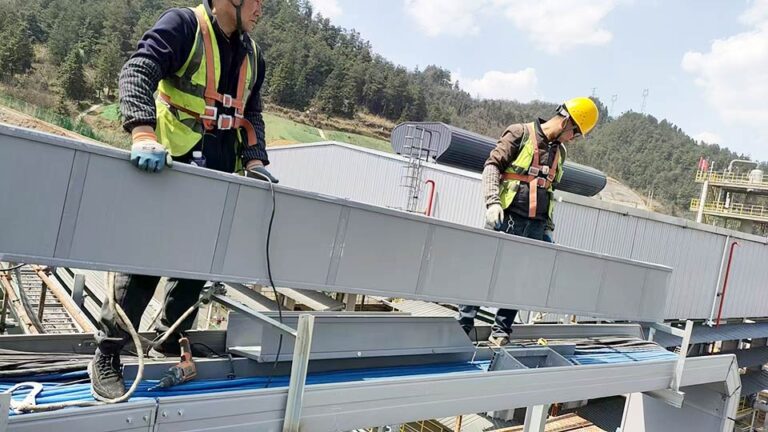
Installation Tips for FRP Cable Trays
Proper installation is key to maximizing FRP tray performance:
- Planning and Layout: Map out cable routes, taking into account load distribution and spacing.
- Mounting and Support: Use brackets and supports recommended by manufacturers to prevent sagging.
- Cable Routing: Avoid overloading and maintain proper separation between power and data cables.
Following these steps ensures safety, optimal airflow, and longevity of your cable system.
Maintenance and Longevity of FRP Cable Trays
Fiberglass reinforced cable trays require minimal maintenance, but regular checks ensure peak performance:
- Inspect trays for cracks or mechanical damage every six months.
- Clean dust, debris, and chemical residues to maintain airflow and prevent degradation.
- Ensure proper load distribution to avoid overloading, which can shorten lifespan.
According to the Fiber-Reinforced Polymer Association, routine inspections can extend FRP tray service life by up to 25%.
Case Studies and Real-World Applications

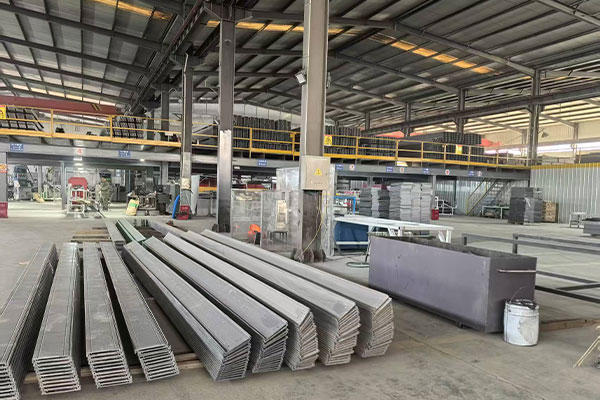
Fiberglass reinforced cable trays are widely used in:
- Industrial Facilities: Handling large-scale electrical and communication networks in chemical plants or manufacturing setups.
- Commercial Buildings: Managing structured cabling for offices, data centers, and control rooms.
- Outdoor Installations: Resistant to UV, moisture, and industrial pollutants, making them ideal for open-air environments.
Projects using FRP trays have reported reduced maintenance costs and improved safety compliance compared to traditional metal trays.
Conclusion
Fiberglass reinforced cable trays provide a reliable, safe, and long-lasting solution for cable management. They combine corrosion resistance, fire safety, and lightweight installation, making them suitable for diverse facilities.
When selecting FRP trays, evaluate load capacity, environmental factors, and future scalability. Consulting with certified suppliers ensures proper installation and long-term efficiency. Choosing FRP cable trays today can save time, reduce costs, and protect your infrastructure for decades.
FAQ
What are FRP cable trays?
Fiberglass reinforced cable trays are fiber-reinforced polymer trays designed to support and organize electrical and communication cables. They are lightweight, corrosion-resistant, fire-resistant, and ideal for industrial, commercial, and outdoor applications where durability and safety are essential.
Why choose Fiberglass reinforced cable trays over steel or aluminum trays?
Fiberglass reinforced cable trays offer excellent corrosion resistance, lower maintenance, and lightweight installation. Unlike steel, they don’t rust, and compared to aluminum, they combine strength with fire resistance, making them ideal for harsh environments and long-term projects.
What types of Fiberglass reinforced cable trays are available?
Common types include ladder trays for heavy loads, perforated trays for ventilation and reduced weight, and solid bottom trays to protect sensitive cables. Each type is designed for specific load, environmental, and installation needs.
How do I install Fiberglass reinforced cable trays safely?
Installation involves planning cable routes, using proper supports, securing trays correctly, and avoiding overloading. Ensure separation between power and data cables, follow manufacturer guidelines, and regularly inspect for wear or damage to maintain safety.
How long do FRP cable trays last?
With proper installation and minimal maintenance, FRP cable trays can last 20 years or more in corrosive or industrial environments. Regular inspections, cleaning, and proper load management help maximize their lifespan and maintain system reliability.
Need Help Choosing the Right FRP Cable Trays?
If you’re unsure which Fiberglass reinforced cable trays are best for your facility or project, our experts are here to help. Contact us today for a personalized consultation, and ensure your cable management system is safe, efficient, and built to last. Don’t wait until issues arise—get in touch now to protect your infrastructure and streamline your operations!