
Table of Contents
Introduction
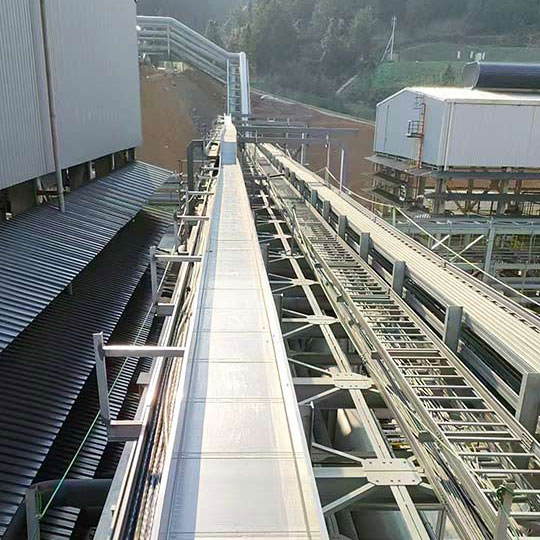
When it comes to managing industrial wiring, a cable tray ladder type is one of the most reliable solutions. These trays provide a structured pathway for electrical and communication cables, ensuring safety, durability, and efficiency. Choosing the right ladder-type tray can prevent downtime, simplify maintenance, and improve the overall performance of your electrical system.
Unlike solid or perforated trays, ladder-type cable trays allow for better ventilation, support heavy loads, and provide flexibility for future expansion. According to industry studies, ladder-type trays can reduce wiring installation time by up to 30% compared to conventional conduit systems.
Understanding Cable Tray Ladder Type
A cable tray ladder type consists of two side rails connected by rungs at regular intervals. This design allows cables to be supported while maximizing airflow and minimizing heat buildup. Ladder trays are suitable for high-density wiring and long cable runs often found in industrial plants and large commercial facilities.
Key Advantages:
- Excellent load-bearing capacity
- Superior ventilation for high-voltage cables
- Easy access for inspection and maintenance
- Durable under harsh industrial environments
Types of Cable Tray Ladder Typ
Different ladder tray designs cater to specific requirements:
- Standard Ladder Trays: For general industrial wiring and moderate loads
- Heavy-Duty Ladder Trays: Designed for very high loads and long spans
- Galvanized Steel Ladder Trays: Provide corrosion resistance in harsh environments
- FRP Ladder Trays: Lightweight, corrosion-resistant, ideal for chemical plants or outdoor installations
Factors to Consider When Selecting Cable Tray Ladder Type
When selecting a ladder-type cable tray for industrial wiring, consider the following:
- Load Requirements: Ensure the tray can support the total cable weight without sagging.
- Environment: For outdoor or corrosive areas, select galvanized or FRP materials.
- Length and Span: Longer cable runs may require intermediate supports to prevent bending.
- Cable Type: High-voltage, control, or data cables may have specific spacing or support needs.
- Future Expansion: Choose trays that allow easy addition of new cables without replacing the system.
Installation Tips
Proper installation ensures maximum safety and efficiency:
- Plan the route considering obstacles and future expansions
- Use support brackets recommended by manufacturers
- Maintain proper spacing between different types of cables
- Avoid overloading trays to prevent structural failure
- Ground the tray system according to electrical safety standards
Comparison of Ladder-Type vs Other Cable Trays
Here is a comparison to help you evaluate options for industrial wiring:
| Feature | Cable Tray Ladder Type | Perforated Cable Tray | Solid Bottom Cable Tray |
|---|---|---|---|
| Load Capacity | High | Moderate | Moderate |
| Ventilation | Excellent | Good | Poor |
| Maintenance Access | Easy | Moderate | Limited |
| Installation Ease | Moderate | Easy | Moderate |
| Ideal Use | Heavy industrial wiring | General wiring | Sensitive or protected cables |
This table shows why ladder-type trays are ideal for high-load, industrial applications, providing both durability and flexibility.
Maintenance and Longevity
Cable tray ladder type systems require regular inspection to ensure longevity:
- Inspect for corrosion or mechanical damage every 6–12 months
- Remove accumulated dust and debris to maintain airflow
- Check that cables are properly secured to prevent sagging or wear
- Ensure support brackets remain tightly fastened and aligned
Following these practices can extend the life of ladder-type trays and prevent costly downtime.
Case Studies and Applications


Industries successfully using ladder-type cable trays include:
- Manufacturing Plants: Supporting high-voltage power lines and control circuits
- Data Centers: Organizing structured cabling while maintaining airflow
- Chemical Facilities: FRP or coated ladder trays resist corrosion and chemicals
- Commercial Buildings: High-rise installations benefit from modular ladder systems
Real-world applications show that investing in the right cable tray ladder type reduces maintenance costs, improves safety, and allows for future upgrades without replacing existing infrastructure.
Conclusion
Selecting the right cable tray ladder type is crucial for industrial wiring efficiency and safety. Consider load capacity, environmental conditions, cable types, and future expansion when making your choice. Proper installation and maintenance extend the lifespan and reliability of the system. Investing in high-quality ladder-type cable trays today ensures safe, durable, and organized wiring for years to come.
FAQ
What is a cable tray ladder type?
A cable tray ladder type is a cable support system with two side rails connected by rungs. It provides strong support for heavy industrial cables, allows airflow to prevent overheating, and simplifies cable installation, maintenance, and future expansion.
Why choose a ladder-type cable tray over other types?
Ladder-type trays offer superior load-bearing capacity, excellent ventilation, and easy access for maintenance. Compared to solid or perforated trays, they are ideal for heavy industrial wiring and long cable runs, providing durability and flexibility.
What materials are used for cable tray ladder type?
Common materials include galvanized steel, aluminum, and FRP (fiber-reinforced polymer). Steel offers strength, aluminum is lightweight, and FRP provides corrosion resistance and durability in harsh or outdoor environments.
How do you install a cable tray ladder type safely?
Installation involves planning routes, securing trays with proper brackets, maintaining cable spacing, and avoiding overloading. Grounding and following manufacturer guidelines ensure safety, longevity, and compliance with industrial standards.
How long do ladder-type cable trays last?
With proper installation and maintenance, cable tray ladder type systems can last 15–25 years, depending on materials and environmental conditions. Regular inspection and cleaning extend their service life and keep cables organized and safe.
Need Help Choosing the Right Cable Tray Ladder Type?
If you’re unsure which ladder-type cable trays are best for your facility or project, our experts are here to help. Contact us today for a personalized consultation, and ensure your cable management system is safe, efficient, and built to last. Don’t wait until problems arise—get in touch now to protect your wiring and streamline your operations!
