Table of Contents
Introduction

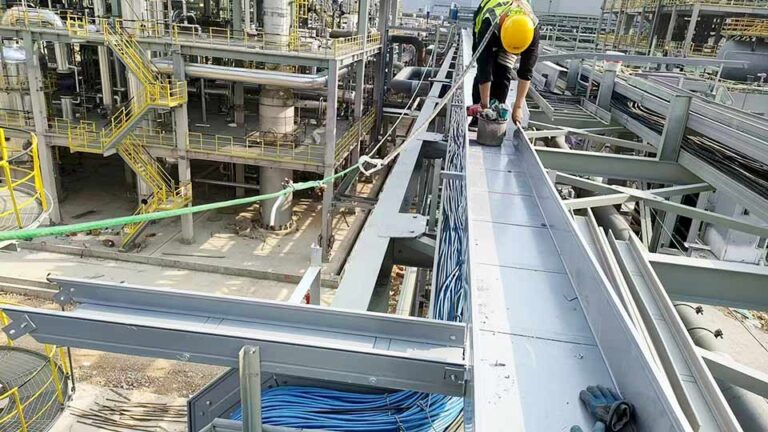
In modern electrical installations, managing cables safely and efficiently is critical for both operational reliability and compliance with engineering standards. Cable tray fittings play a vital role in achieving organized, secure, and adaptable cable management systems.
Fittings such as elbows, tees, reducers, and crosses are not just accessories—they ensure that cable routes are continuous, reduce mechanical stress on cables, and help maintain electrical safety throughout a building or industrial facility. Understanding their functions and applications is essential for engineers, electricians, and facility managers aiming to optimize their wiring infrastructure.
What Are Cable Tray Fittings?
Cable tray fittings are components used to connect, route, or transition sections of cable tray systems. They allow cables to change direction, branch off, or navigate complex layouts without damaging insulation or increasing mechanical stress.
Common cable tray fittings include:
- Elbows: Change cable direction horizontally or vertically
- Tees: Split cable paths into multiple directions
- Reducers: Transition between different tray widths
- Crosses: Enable multi-directional cable routing
- End Caps: Safely terminate cable runs
By using appropriate fittings, a cable tray system remains structured, reducing the risk of cable sag, interference, or accidental damage.
Key Benefits of Using Cable Tray Fittings
Enhanced Electrical Safety
Cable tray fittings help maintain proper bend radii and prevent over-stressing of cables. Sharp bends or unsupported runs can damage insulation, increase electrical resistance, and lead to short circuits or fire hazards.
By ensuring smooth transitions and correct support, fittings reduce risks, protect personnel, and ensure compliance with electrical safety codes.
Improved Cable Organization
Fittings enable structured branching and routing, keeping cables separated by type, voltage, or function. For instance, power cables can be routed along one tray branch, while data or communication cables run separately on another branch.
This organization simplifies maintenance, troubleshooting, and future expansions, minimizing downtime and errors.
Facilitates Complex Routing
Large facilities often require complex cable pathways with multiple turns, junctions, and vertical transitions. Cable tray fittings allow engineers to design routes that follow architectural constraints without cutting or forcing cables, preserving both system integrity and cable lifespan.
Reduces Mechanical Stress
Incorrectly routed cables experience tension, bending, or compression that can compromise performance over time. Fittings maintain consistent support, proper spacing, and alignment, reducing strain and extending cable life.
Supports Modular Expansion
With fittings, adding new cable runs or modifying existing routes is simple. Elbows or tees can be inserted to branch new circuits without dismantling entire trays, making the system scalable for future expansions or technology upgrades.
Types of Cable Tray Fittings and Applications
| Fitting Type | Function | Best Use Case | Safety Benefit |
|---|---|---|---|
| Elbow (Horizontal/Vertical) | Change direction | Complex building layouts | Prevents sharp bends, reduces stress |
| Tee | Split cable paths | Branching circuits | Keeps cables organized and separated |
| Reducer | Transition tray widths | Connecting different tray sizes | Prevents cable compression or overload |
| Cross | Multi-directional routing | Large industrial facilities | Facilitates structured branching |
| End Cap | Termination | Ends of runs | Protects cables from exposure or damage |
Installation Best Practices
- Choose fittings matching tray type and width.
- Maintain manufacturer-recommended bend radius for all cables.
- Use corrosion-resistant materials in damp or harsh environments.
- Secure fittings tightly to prevent movement or vibration.
- Ensure proper grounding of metallic trays and fittings.
- Plan routes to separate high-voltage and data cables where necessary.
Adhering to these practices ensures electrical safety, reduces maintenance costs, and improves overall system efficiency.
Applications of Cable Tray Fittings

- Commercial Buildings: Office and retail facilities use fittings to route power and data cables safely.
- Industrial Facilities: Manufacturing plants require elbows and tees for heavy-duty cable loads.
- Data Centers: Crosses and tees allow structured networking cable layouts.
- Hospitals: Reducers and elbows support complex power and communication pathways.
- High-Rise Construction: Fittings enable vertical transitions and branching across floors.
Conclusion
Cable tray fittings are essential components that enhance safety, organization, and adaptability in electrical installations. By selecting the right fittings and following proper installation guidelines, you can reduce mechanical stress, simplify maintenance, and ensure long-term operational reliability.
Using these accessories strategically ensures a safer, more organized, and future-ready cable management system for any building or facility.
FAQ
What are cable tray fittings used for?
Cable tray fittings are components like elbows, tees, reducers, and crosses that connect and route cable trays. They help change directions, branch cable runs, and ensure organized, safe, and efficient cable management in buildings and industrial facilities.
How do cable tray fittings improve electrical safety?
Fittings maintain proper cable bend radius, prevent insulation damage, reduce mechanical stress, and minimize fire or short-circuit risks. Properly installed fittings ensure compliance with electrical safety standards and protect both personnel and equipment.
What types of cable tray fittings are commonly used?
Common types include elbows (for direction changes), tees (for branching), reducers (for changing tray widths), crosses (for multi-directional routing), and end caps (to terminate runs). Each type supports safe and organized cable routing.
Can cable tray fittings support future expansion?
Yes. Fittings allow modular cable tray design, enabling additional runs or branches without dismantling existing trays. This makes it easy to add circuits, upgrade systems, or reorganize cables as building or industrial needs grow.
What materials are cable tray fittings made from?
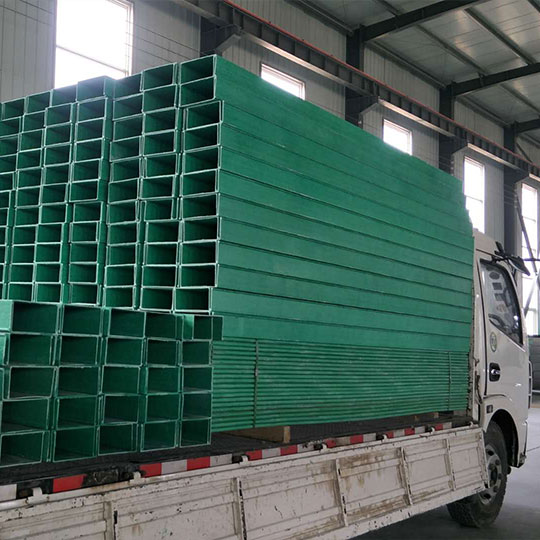
Cable tray fittings are commonly made from galvanized steel, stainless steel, aluminum, or FRP (fiberglass reinforced polymer). Material choice depends on environment, load, corrosion resistance, and fire safety requirements.
Need Help Choosing the Right Cable Tray Fittings?
If you’re unsure which cable tray fittings are best for your building or industrial project, our experts are here to help. Contact us today for a personalized consultation, and ensure your cable management system is safe, efficient, and reliable. Don’t wait until issues arise—get in touch now to optimize your wiring infrastructure and protect your operations!