Table of Contents
Introduction
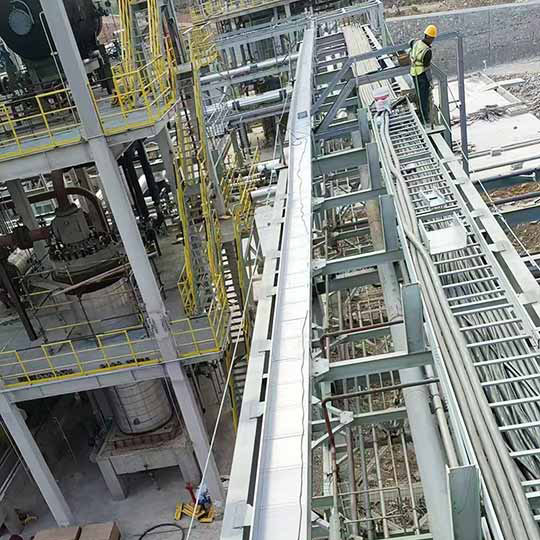
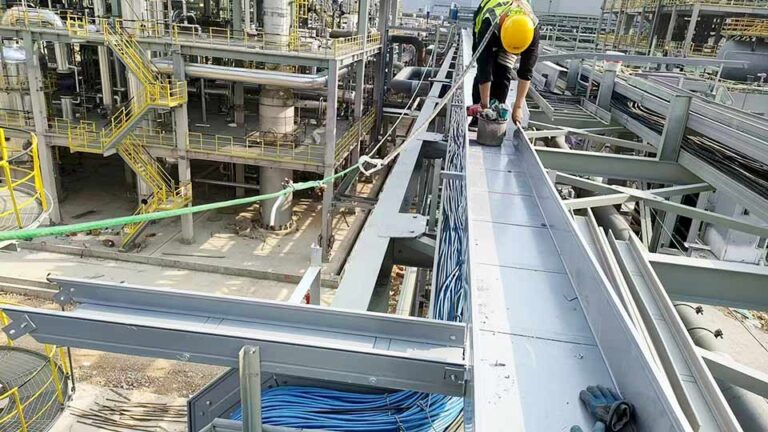
In modern construction projects, managing electrical, data, and communication cables efficiently is essential for safety, reliability, and long-term system performance. Building cable trays are the backbone of structured cable management in commercial, residential, and industrial buildings. They provide organized pathways for cables, reduce clutter, and simplify maintenance.
With proper planning, cable tray systems enhance airflow around cables, prevent overheating, and support future expansion. Understanding the different types of building cable trays and their applications helps engineers, contractors, and facility managers make informed decisions for safe and efficient wiring installations.
What Is a Building Cable Tray?
A building cable tray is a support system used to route, secure, and protect electrical and communication cables throughout a building. Unlike conduits, cable trays allow easier access, quicker installation, and more flexibility for changes and upgrades.
Key advantages include:
- Organized cable routing
- Easy inspection and maintenance
- Efficient heat dissipation
- Scalability for future cable additions
Common Types of Building Cable Trays
Ladder Cable Tray
Structure: Two side rails connected by cross rungs resembling a ladder.
Applications: Heavy-duty power and communication cables in industrial or commercial buildings.
Benefits: Excellent load-bearing capacity, superior ventilation, and easy maintenance access.
Perforated Cable Tray
Structure: Solid-bottom tray with holes or perforations along the base.
Applications: Medium-weight cable installations in commercial and office buildings.
Benefits: Good airflow, prevents small objects from falling into the tray, and offers easier cable support for smaller bundles.
Solid-Bottom Cable Tray
Structure: Fully enclosed tray without openings.
Applications: Sensitive cables requiring protection from dust, water, or interference.
Benefits: Offers maximum protection for cables, reduces electromagnetic interference, and prevents accidental cable contact.
Wire Mesh Cable Tray
Structure: Interconnected wire grid forming an open tray.
Applications: Data centers, IT infrastructure, and areas requiring flexible cable management.
Benefits: Lightweight, easy to cut or modify on-site, excellent ventilation, and ideal for complex cable routing.
Channel Cable Tray
Structure: U-shaped or C-shaped solid channel.
Applications: Small-scale cable installations and branch circuits.
Benefits: Simple installation, cost-effective, and suitable for low-load applications.
How to Choose the Right Cable Tray Type
Selection depends on several factors:
- Cable weight and type: Heavier cables require ladder or heavy-duty trays.
- Environment: Corrosive or wet environments may need stainless steel or FRP trays.
- Ventilation needs: Open designs like ladder or wire mesh trays provide better heat dissipation.
- Maintenance access: Open trays allow easy inspection and cable replacement.
- Future expansion: Modular trays like ladder or wire mesh accommodate additional cables easily.
Comparison Table of Building Cable Tray Types
| Tray Type | Load Capacity | Ventilation | Protection | Best Use Case |
|---|---|---|---|---|
| Ladder Tray | High | Excellent | Moderate | Heavy-duty industrial/commercial |
| Perforated Tray | Medium | Good | Moderate | Office, commercial wiring |
| Solid-Bottom Tray | Medium | Low | Excellent | Sensitive or exposed cables |
| Wire Mesh Tray | Medium | Excellent | Low | Data centers, IT installations |
| Channel Tray | Low | Moderate | Moderate | Small-scale branch circuits |
Applications of Building Cable Trays in Construction
- Commercial Buildings: Office buildings, malls, and hospitals use cable trays for structured cabling and power distribution.
- Industrial Facilities: Manufacturing plants rely on ladder or heavy-duty trays to support high-voltage and control cables.
- Data Centers: Wire mesh trays provide flexible routing for network and communication cables.
- Residential Projects: Smaller perforated or channel trays help organize electrical circuits efficiently.
- High-Rise Buildings: Cable trays support vertical and horizontal cable runs, ensuring safety and compliance.
Best Practices for Cable Tray Installation
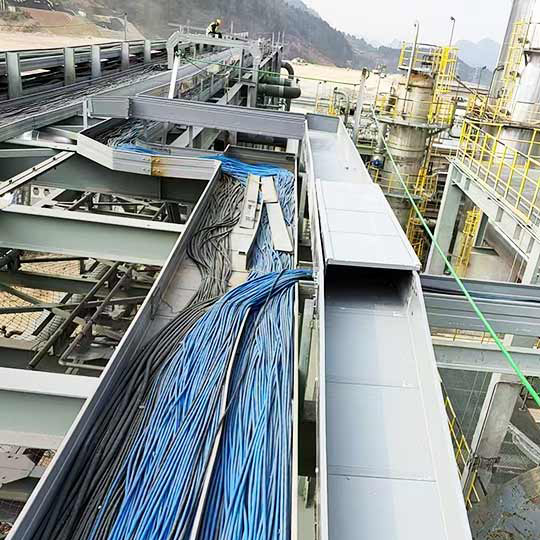
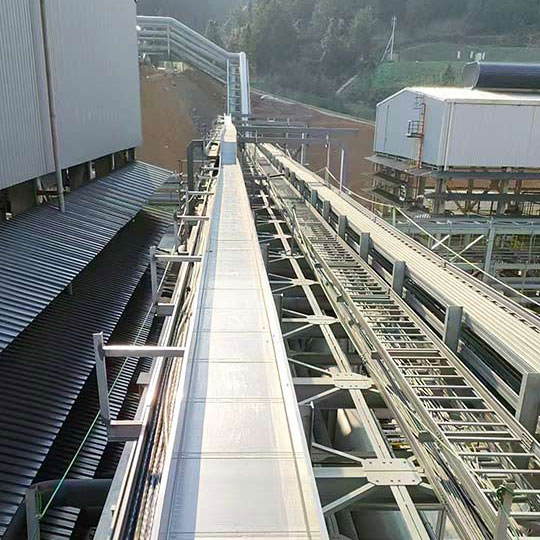
- Plan tray routes before installation.
- Maintain proper support spacing according to tray type.
- Avoid overloading beyond rated capacity.
- Use corrosion-resistant materials for damp or harsh environments.
- Ensure proper grounding for metallic trays.
- Keep power and data cables separated when required.
- Conduct periodic inspections for damage or deformation.
Following these practices ensures long-term reliability, reduces maintenance costs, and prevents safety hazards.
Conclusion
Building cable trays are essential for efficient, safe, and organized cable management in modern construction. Understanding the different types—ladder, perforated, solid-bottom, wire mesh, and channel—allows engineers and facility managers to select the right system based on load, environment, and future expansion needs.
By choosing the correct cable tray type and following best installation practices, construction projects can ensure cable longevity, operational efficiency, and system safety for years to come.
FAQ
What is a building cable tray used for?
A building cable tray is used to support and route electrical and communication cables in buildings. It organizes cables, allows easy maintenance, improves airflow to prevent overheating, and supports future expansions without major structural changes.
What are the main types of building cable trays?
Common types include ladder trays, perforated trays, solid-bottom trays, wire mesh trays, and channel trays. Each type suits specific cable loads, environmental conditions, and installation requirements for commercial, industrial, or residential buildings.
How do I choose the right building cable tray?
Consider cable weight, type, and quantity, environmental conditions, ventilation needs, ease of maintenance, and potential future expansion. Heavy-duty ladder trays suit industrial use, while wire mesh or perforated trays work well for data centers or commercial spaces.
Can building cable trays be installed in wet or corrosive environments?
Yes. For damp or corrosive environments, use corrosion-resistant materials like stainless steel or FRP. Proper material selection ensures long-term durability, prevents rust or damage, and maintains system reliability and safety.
What are the benefits of using building cable trays over conduits?
Cable trays offer easier installation, better airflow, simplified maintenance, and flexibility for future upgrades. They reduce labor costs, improve cable organization, and provide safer, more accessible routing compared to traditional enclosed conduits.
Need Help Choosing the Right Building Cable Tray?
If you’re unsure which building cable tray type is best for your project or facility, our experts are here to help. Contact us today for a personalized consultation, and ensure your cable management system is safe, efficient, and built for long-term performance. Don’t wait until issues arise—get in touch now to optimize your wiring infrastructure and protect your operations!