Table of Contents
Introduction

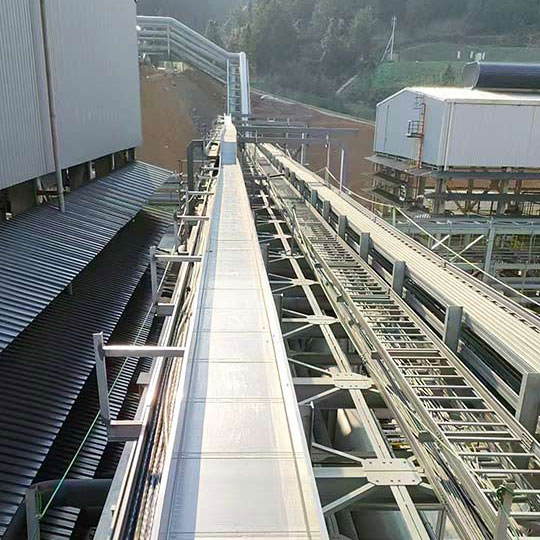
A ladder type cable tray is one of the most widely used cable management systems in industrial, commercial, and infrastructure projects. Its open design provides excellent ventilation, high load-bearing capacity, and easy access for cable installation and maintenance.
However, even the highest-quality ladder type cable tray can fail to deliver optimal performance if it is installed incorrectly. Poor installation practices can lead to cable damage, safety hazards, costly maintenance, and reduced system lifespan. According to electrical engineering best practices, many cable management issues can be traced back to planning and installation errors rather than product defects.
This guide explores the most common mistakes to avoid when installing a ladder type cable tray and provides practical recommendations to ensure a safe, efficient, and long-lasting cable management system.
Understanding the Importance of Proper Installation
The primary purpose of a ladder type cable tray is to support and organize cables while maintaining accessibility and ventilation. Proper installation ensures:
- Safe cable routing
- Structural stability
- Improved heat dissipation
- Easier maintenance and upgrades
- Compliance with engineering standards
- Extended cable and tray lifespan
A well-installed system reduces operational risks and supports future expansion without requiring major modifications.
Mistake 1: Choosing the Wrong Ladder Type Cable Tray Size
One of the most common installation mistakes is selecting a tray that is too narrow or too small for current and future cable requirements.
Problems Caused by Incorrect Sizing
- Cable overcrowding
- Reduced airflow
- Increased operating temperatures
- Difficult maintenance access
- Limited room for future expansion
Best Practice
Calculate the total cable volume before installation and reserve additional capacity for future upgrades. Many engineers recommend maintaining 20% to 30% spare tray capacity for system growth.
Mistake 2: Ignoring Load Capacity Requirements
Every ladder type cable tray has a specified load rating. Exceeding this capacity can lead to tray deformation, support failure, and cable damage.
Common Causes of Overloading
- Underestimating cable weight
- Adding cables after installation without reassessment
- Using insufficient support spacing
Best Practice
Evaluate:
- Total cable weight
- Dynamic loads
- Future expansion requirements
- Environmental factors
Always verify tray load ratings and support span recommendations from the manufacturer.
Mistake 3: Incorrect Support Spacing
Support spacing directly affects the structural integrity of a ladder type cable tray system.
Consequences
- Excessive tray deflection
- Increased stress on connections
- Premature wear
- Potential tray collapse
Recommended Approach
Support spacing should be determined based on:
- Tray material
- Tray width
- Load requirements
- Installation environment
Following manufacturer recommendations helps maintain stability and safety.
Mistake 4: Poor Cable Arrangement
Many installations fail because cables are simply placed in the tray without proper organization.
Risks
- Cable overheating
- Electromagnetic interference
- Difficult troubleshooting
- Reduced airflow
Best Practice
Separate:
- Power cables
- Control cables
- Communication cables
- Fiber optic cables
Proper cable grouping improves performance and simplifies future maintenance.
Mistake 5: Neglecting Environmental Conditions
Environmental factors significantly affect the performance of a ladder type cable tray system.
Common Environmental Challenges
- High humidity
- Chemical exposure
- Extreme temperatures
- UV exposure
- Dust accumulation
Best Practice
Select materials appropriate for the environment:
| Environment | Recommended Material |
|---|---|
| Indoor commercial areas | Galvanized steel |
| Outdoor installations | Hot-dip galvanized steel |
| Corrosive environments | Stainless steel |
| Chemical facilities | FRP cable trays |
| Coastal or humid areas | Stainless steel or FRP |
Proper material selection reduces maintenance costs and extends service life.
Mistake 6: Failing to Maintain Proper Cable Bend Radius
Cables require a minimum bend radius to prevent damage.
Potential Problems
- Insulation cracking
- Signal degradation
- Reduced cable lifespan
- Increased maintenance costs
Best Practice
Use proper bends, elbows, and fittings designed specifically for ladder type cable tray systems. Never force cables into sharp turns.
Mistake 7: Poor Grounding and Bonding
Grounding is critical for metallic cable tray systems.
Risks of Improper Grounding
- Electrical shock hazards
- Equipment damage
- Increased fault current risks
- Non-compliance with electrical standards
Best Practice
Ensure all metallic tray sections are properly bonded and grounded according to applicable electrical codes and project requirements.
Mistake 8: Overlooking Future Expansion
Many facilities expand their electrical infrastructure over time.
Common Expansion Problems
- Insufficient tray width
- Lack of spare capacity
- Limited routing options
Best Practice
Design the system with future growth in mind by:
- Reserving tray capacity
- Planning expansion routes
- Using modular components
This approach minimizes future installation costs.
Mistake 9: Using Incorrect Accessories and Fittings
Improper accessories can weaken the entire system.
Examples
- Mismatched connectors
- Inadequate support brackets
- Low-quality fasteners
Best Practice
Always use compatible fittings and accessories supplied or recommended by the tray manufacturer.
Mistake 10: Skipping Regular Inspection After Installation
Installation is only the beginning. Without periodic inspections, small issues can become major failures.
Inspection Checklist
- Check support integrity
- Inspect tray alignment
- Verify cable organization
- Look for corrosion or damage
- Ensure grounding continuity
Routine inspections help maintain system reliability and safety.
Best Practices for Successful Ladder Type Cable Tray Installation
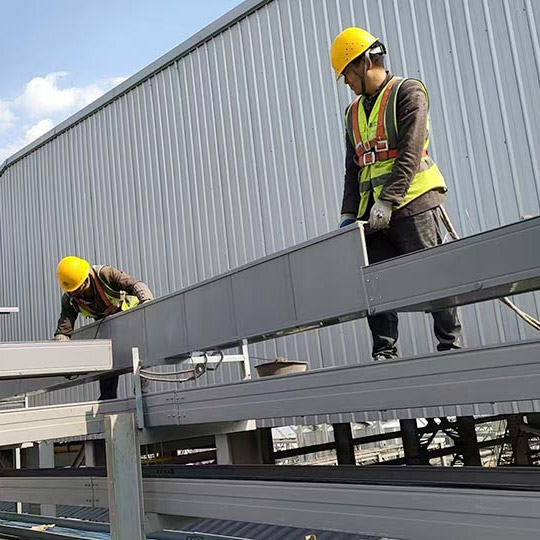
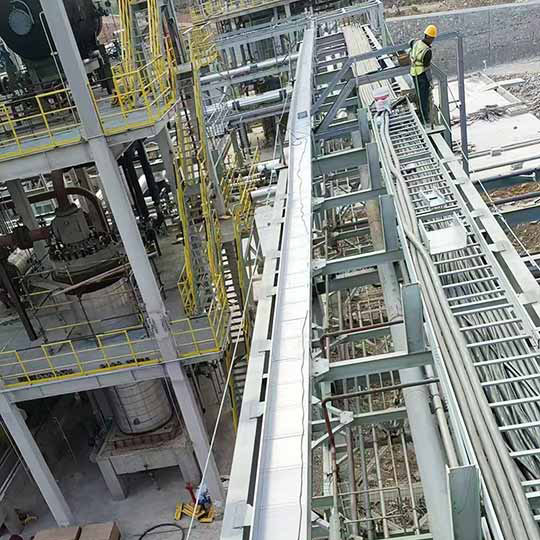
To maximize performance:
- Conduct detailed project planning.
- Select the correct tray size and material.
- Follow load and support guidelines.
- Maintain proper cable separation.
- Ensure grounding compliance.
- Plan for future expansion.
- Use high-quality accessories.
- Schedule regular inspections.
Following these practices can significantly improve the efficiency and lifespan of your cable management system.
Conclusion
Installing a ladder type cable tray may seem straightforward, but overlooking critical details can lead to safety issues, operational inefficiencies, and costly repairs. Common mistakes such as improper sizing, overloading, poor cable organization, inadequate support spacing, and neglecting environmental conditions can compromise system performance.
By understanding and avoiding these installation errors, you can build a cable management system that is safe, scalable, and designed for long-term reliability. A properly installed ladder type cable tray not only protects your cables but also supports efficient facility operations for years to come.
FAQ
What is a ladder type cable tray used for?
A ladder type cable tray is used to support and route electrical, control, and communication cables in commercial and industrial facilities. Its open-rung design provides excellent ventilation, easy cable access, and strong load-bearing capacity for large cable installations.
Why is a ladder type cable tray preferred for industrial applications?
A ladder type cable tray offers superior airflow, making it ideal for power cables that generate heat. Its robust structure supports heavy cable loads, simplifies maintenance, and allows easy expansion, making it a popular choice for industrial environments.
How do I choose the right ladder type cable tray size?
The correct size depends on cable quantity, cable diameter, load requirements, and future expansion plans. It is recommended to leave additional tray capacity to accommodate future cables while maintaining proper airflow and safe cable separation.
What materials are available for ladder type cable trays?
Ladder type cable trays are commonly manufactured from galvanized steel, hot-dip galvanized steel, stainless steel, aluminum, and FRP. The ideal material depends on factors such as corrosion resistance, load capacity, environmental conditions, and project budget.
How can I extend the lifespan of a ladder type cable tray system?
Regular inspections, proper load management, secure support spacing, corrosion protection, and organized cable routing can significantly extend the service life of a ladder type cable tray system. Preventive maintenance also helps reduce downtime and repair costs.
Need Help Choosing the Right Ladder Type Cable Tray?
If you’re unsure which ladder type cable tray is best for your facility or project, our experts are here to help. Contact us today for a personalized consultation, and ensure your cable management system is safe, efficient, and designed for long-term reliability. Don’t wait until installation challenges become costly problems—get in touch now to optimize your infrastructure and protect your operations!