Table of Contents
Introduction
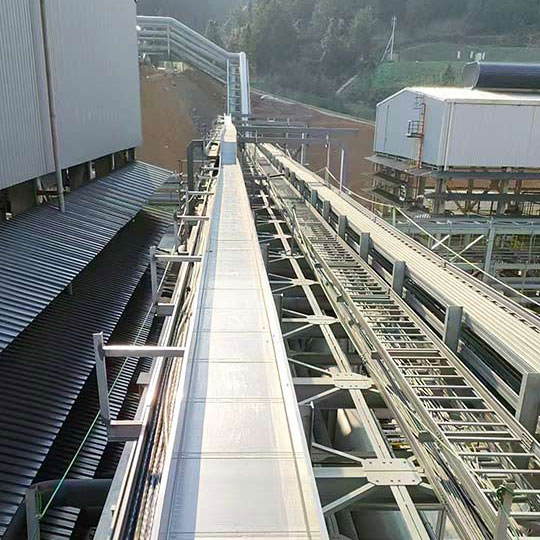
A channel cable tray system is widely used in modern electrical installations to support and organize small to medium cable runs. It is compact, cost-effective, and commonly applied in commercial buildings, industrial control systems, and structured wiring environments.
Although channel cable trays are generally low-maintenance, proper care is still essential to ensure long-term performance, safety, and system reliability. Without routine inspection and maintenance, issues such as corrosion, overload, misalignment, or cable damage can gradually reduce system efficiency and lifespan.
This guide provides practical maintenance strategies to help you keep your channel cable tray system in optimal condition.
What Is a Channel Cable Tray System?
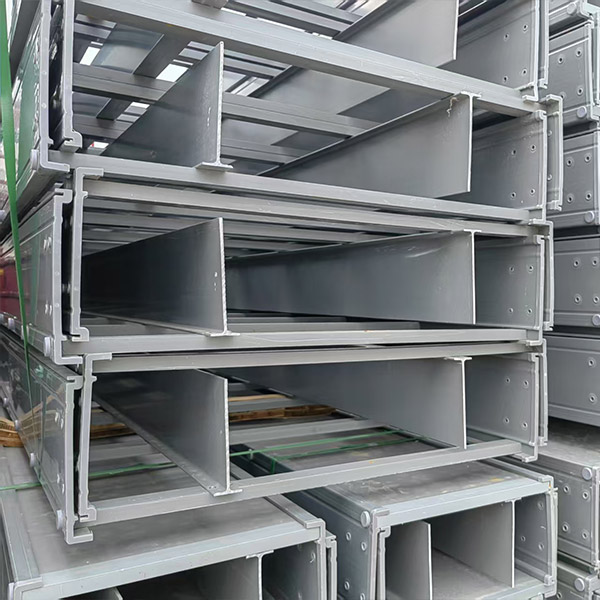
A channel cable tray is a U-shaped or enclosed cable support system designed for routing and protecting electrical cables. It is typically used for smaller cable bundles and branch circuits where full-scale ladder or perforated trays are not required.
Common applications include:
- Office building wiring systems
- Control panel wiring
- Communication cable routing
- Light industrial installations
Its compact structure makes it ideal for confined spaces and localized cable management.
Why Maintenance Matters for Channel Cable Trays
Even though channel cable trays are simpler than other tray systems, maintenance plays a key role in:
- Preventing cable damage and insulation wear
- Avoiding overheating due to poor airflow or overload
- Extending system lifespan
- Ensuring electrical safety compliance
- Maintaining organized cable structure
Regular maintenance reduces unexpected failures and improves long-term operational stability.
Key Maintenance Tips for Channel Cable Tray Systems
Perform Regular Visual Inspections
Routine inspection is the foundation of maintenance. Check for:
- Surface corrosion or rust
- Loose brackets or fasteners
- Physical deformation or bending
- Signs of cable wear or pressure marks
A recommended inspection interval is every 6–12 months, depending on the environment.
Avoid Cable Overloading
One of the most common issues in channel cable trays is overloading. Excess cables can cause:
- Heat buildup
- Structural stress
- Reduced cable lifespan
Always ensure the installed cable load stays within the tray’s rated capacity and leave space for airflow and future expansion.
Keep Cable Arrangement Organized
Proper cable layout improves both safety and performance. During maintenance:
- Separate power and data cables when possible
- Remove unused or redundant cables
- Avoid tight bundling that restricts airflow
- Ensure cables are evenly distributed inside the tray
Well-organized cables reduce electrical interference and overheating risks.
Inspect Fasteners and Support Systems
Loose or unstable supports can compromise the entire system. Check:
- Wall or ceiling mounting brackets
- Screws, bolts, and connectors
- Alignment of tray sections
Tighten or replace components as needed to maintain structural stability.
Monitor Corrosion and Surface Condition
Environmental exposure can affect metal channel cable trays over time. Pay attention to:
- Rust formation
- Coating damage or peeling
- Moisture accumulation points
For corrosive environments, consider galvanized steel, stainless steel, or FRP materials for longer service life.
Clean Dust and Debris Build-Up
Although channel trays offer partial enclosure, dust can still accumulate. Cleaning helps to:
- Maintain proper heat dissipation
- Prevent insulation degradation
- Improve overall system hygiene
Use dry or non-corrosive cleaning methods to avoid damaging protective coatings.
Common Issues and Solutions
| Issue | Cause | Solution |
|---|---|---|
| Overheating | Cable overloading | Reduce cable density |
| Corrosion | Moisture exposure | Use protective coatings or stainless steel |
| Cable damage | Tight bending or pressure | Re-route cables properly |
| Loose fittings | Vibration or poor installation | Tighten or replace fasteners |
| Misalignment | Structural shift | Re-adjust supports |
Best Practices for Long-Term Performance
To maximize system lifespan and reliability:
- Follow manufacturer installation guidelines
- Use corrosion-resistant materials in harsh environments
- Schedule preventive maintenance instead of reactive repairs
- Maintain proper documentation of inspections
- Train maintenance staff on safe handling procedures
A proactive maintenance approach significantly reduces operational risks and long-term costs.
Applications Requiring Regular Maintenance Attention

Some environments require stricter maintenance schedules:
- Industrial automation systems
- Data and communication networks
- High-density wiring panels
- Moist or corrosive environments
- Continuous operation facilities
In these cases, inspection frequency may need to be increased.
Conclusion
Channel cable tray systems provide a simple and efficient solution for cable management, but their long-term performance depends on proper maintenance. Regular inspections, correct cable arrangement, corrosion control, and support system checks all contribute to safety and durability.
By applying consistent maintenance practices, you can extend the service life of your channel cable tray system and ensure stable, safe, and efficient cable management for years to come.
FAQ
What is a channel cable tray used for?
A channel cable tray is used to support and protect small to medium cable runs in electrical systems. It helps organize wiring, reduce clutter, improve safety, and is commonly used in control panels, offices, and light industrial installations.
How often should channel cable trays be maintained?
It is recommended to inspect channel cable trays every 6–12 months. In harsher environments such as humid or industrial areas, more frequent inspections may be needed to ensure safety, prevent corrosion, and maintain system performance.
What are common maintenance tasks for channel cable trays?
Key tasks include checking for corrosion, tightening loose fasteners, cleaning dust buildup, inspecting cable arrangement, and ensuring proper support alignment. These steps help maintain safety, organization, and long-term reliability.
What causes damage in channel cable tray systems?
Common causes include cable overloading, poor installation, moisture exposure, vibration, and improper cable routing. These factors can lead to deformation, overheating, or reduced system lifespan if not properly managed.
Can channel cable trays be used in industrial environments?
Yes, channel cable trays can be used in light industrial environments. With proper material selection such as galvanized steel, stainless steel, or FRP, they can withstand moderate loads and environmental challenges effectively.
Need Help Choosing the Right Channel Cable Tray System?
If you’re unsure which channel cable tray is best for your wiring project or facility, our experts are here to help. Contact us today for a personalized consultation, and ensure your cable management system is safe, organized, and built for long-term performance. Don’t wait until issues arise—get in touch now to optimize your electrical infrastructure and protect your operations!