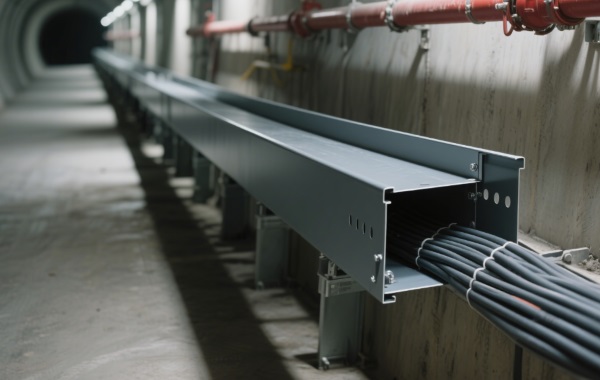
Corrosion is one of the most common reasons a cable support system fails earlier than expected. In many projects, the tray itself is not the only problem. The environment may have been described too generally, the material may have been selected before the site conditions were understood, or small installation details may have been left until the construction team had to solve them on site.
For coastal facilities, chemical plants, wastewater treatment sites, mines, tunnels, power stations, industrial rooftops, and exposed outdoor routes, a standard cable tray may not provide enough long-term protection. Salt mist, humidity, acid vapor, alkali exposure, industrial dust, ultraviolet radiation, temperature changes, vibration, and washdown routines can all influence the service life of the cable management system.
This guide is written for engineers, contractors, procurement teams, distributors, and importers who need to specify corrosion-resistant cable trays before placing an order. It focuses on practical selection decisions: how to read the environment, compare materials, choose the tray structure, check accessories, avoid specification mistakes, and communicate clearly with a manufacturer.
The purpose is not to promote one material as a universal answer. FRP cable tray, polymer cable tray, stainless steel cable tray, galvanized cable tray, and coated metal cable tray can all be useful when they match the project conditions. The right choice is the one that supports the cables safely, fits the installation route, and reduces avoidable maintenance later.
Table of Contents
Start With the Real Corrosion Environment
The first step is not choosing a catalog model. The first step is defining the actual environment in which the tray will work. Many project inquiries use broad words such as outdoor, industrial, or harsh environment. Those words are useful as a starting point, but they are not enough for a reliable cable tray recommendation.
An outdoor cable tray in a dry inland area faces different risks from a tray installed near the sea. A cable tray inside a clean electrical room is not exposed in the same way as one installed above a chemical processing line. A tray in a tunnel may need to handle moisture and limited access, while a tray in a wastewater treatment facility may face humidity, chemical vapor, and frequent cleaning.
Before selecting a corrosion-resistant cable tray, describe whether the route is indoor, outdoor, semi-outdoor, underground, rooftop-mounted, coastal, chemical, marine-related, high-temperature, washdown-prone, or exposed to direct sunlight. If there is acid mist, alkali contact, salt spray, oil, dust, vibration, or regular cleaning water, include that information in the inquiry.
For purchasing teams, this is not just technical background. It affects material selection, surface treatment, tray design, cover style, support spacing, accessory choice, packaging, and the level of documentation required. A supplier can give a much better recommendation when the working conditions are described clearly.
Match the Cable Tray Material to the Exposure
Different materials resist corrosion in different ways. Choosing by product name alone is risky because the same general category can include different grades, structures, finishes, and performance limits. The material should be selected according to both the exposure and the mechanical requirements of the project.
Galvanized Steel Cable Tray
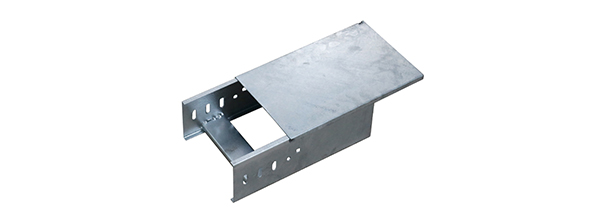
Galvanized steel cable trays are widely used in commercial and industrial electrical installations because they provide strength, familiar installation methods, and practical protection for many general environments. They are often suitable for indoor projects, dry areas, controlled industrial spaces, and some outdoor routes where exposure is not severe.
For heavy coastal or chemical exposure, however, the project team should review whether galvanized steel alone is enough. If the protective layer is damaged during cutting, handling, or installation, local corrosion can start at weak points. In aggressive environments, fasteners and supports should be reviewed with the same care as the tray body.
Stainless Steel Cable Tray
Stainless steel cable trays are often considered when stronger corrosion resistance, hygiene, or a longer maintenance interval is required. They can be suitable for selected food processing areas, clean industrial spaces, marine-related facilities, and other demanding routes. The exact stainless steel grade should be chosen according to the environment, especially where chloride exposure or chemical contact is present.
Buyers should avoid assuming that every stainless steel tray performs the same way in every site. The exposure type, cleaning method, and connection details still matter. A good inquiry should include the operating environment and any project specification that defines the required material.
FRP Cable Tray
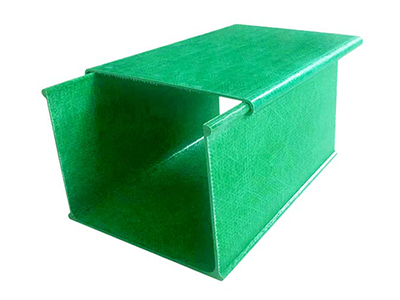
FRP cable tray, also called fiberglass reinforced plastic cable tray, is often selected for corrosive environments because it is non-metallic and resistant to many chemical conditions. It is commonly used in chemical plants, coastal areas, wastewater treatment projects, outdoor industrial routes, and other applications where metallic corrosion is a concern. You can review related product options in our FRP cable tray product center.
FRP is also lightweight compared with many metal systems, which can help during transport, lifting, and elevated installation. At the same time, the buyer should confirm resin type, structural design, load requirements, UV exposure, flame-retardant requirements if applicable, and the accessory system before ordering.
Polymer and Composite Cable Tray
Polymer and composite cable trays may be useful where corrosion resistance, insulation, appearance, and lighter handling are important. Depending on product design, they may be used in chemical, metallurgical, petroleum-related, and outdoor environments. As with FRP, the project team should confirm whether the material and structure are suitable for the actual exposure, cable load, support spacing, and installation method.
The practical rule is simple: do not choose a material because it sounds strong. Choose it because it matches the site, the cable load, the maintenance plan, and the documents required by the project.
| Corrosive Environment | Common Risk | Practical Selection Focus |
|---|---|---|
| Coastal outdoor route | Salt mist, humidity, UV exposure | Corrosion-resistant material, secure covers, drainage, compatible fasteners |
| Chemical plant | Acid or alkali vapor, washdown, industrial dust | Material compatibility, closed or protected routes, documentation before production |
| Wastewater facility | Moisture, cleaning water, chemical exposure | Non-metallic or protected material, accessible supports, clear maintenance route |
| Industrial rooftop | Rain, sunlight, wind, temperature change | UV suitability, cover fixing, expansion planning, stable support spacing |
Choose the Tray Structure According to Protection, Ventilation, and Maintenance
Material selection is only one part of the decision. Tray structure also affects how the cable system performs. The structure influences cable protection, heat dissipation, drainage, cleaning, inspection, future cable additions, and the difficulty of replacing damaged sections.
Ladder Cable Tray
Ladder cable trays are commonly used for heavy cable loads, long routes, and applications where ventilation is important. Their open structure allows air to move around the cables and makes inspection easier. They are also convenient when future cable additions are expected, because installers can access the route from many points.
For corrosive or outdoor environments, a ladder structure can be paired with FRP, stainless steel, galvanized steel, or other protected materials depending on the project. The design team should review rung spacing, side rail strength, support distance, bend radius, and cover requirements.

Perforated Cable Tray
Perforated cable trays provide a balance between bottom support, ventilation, and cable containment. They are useful when smaller cables need more continuous support than a ladder tray provides, while still allowing some airflow and drainage. In dusty industrial areas, perforations can help prevent water from remaining in the tray, but the route should still be designed to avoid debris accumulation.
Trough or Solid-Bottom Cable Tray
Trough cable trays and solid-bottom designs offer stronger physical containment and better protection from falling dust, dripping liquid, or accidental contact. They can be useful where cable protection is more important than maximum ventilation. However, because they are less open, heat dissipation and drainage should be considered carefully.
A closed design may look safer at first glance, but it is not always the best answer for every power cable route. If covers are used over a trough tray, the project team should think about inspection access, water management, cable heat, and how easily maintenance workers can open and close the system.
Size the Tray for Current Load and Future Expansion
A corrosion-resistant cable tray still needs to be correctly sized. If the tray is too narrow, cables may be crowded, harder to inspect, and more difficult to replace. If the side height is too low, cable containment may be poor at turns or vertical sections. If the tray is much larger than necessary, the system may become heavier, harder to support, and less efficient to install.
Start with the cable list. Identify power cables, control cables, communication cables, instrumentation cables, and any circuits that require separation. Estimate the cable load and check whether future expansion is expected. In many industrial projects, additional cables are added after commissioning. Leaving practical spare capacity can reduce rework later.
Tray width, side rail height, and support span should be selected together. For a deeper explanation of dimensions, buyers can also review our cable tray size guide. When in doubt, send the cable schedule, route drawings, and installation conditions to the manufacturer for review before confirming production.
Do not forget that bends, tees, crosses, reducers, splice plates, hold-down clamps, brackets, covers, and fasteners are part of the sizing conversation. A tray may be correctly selected on a straight run but become difficult to install if accessories are missing or incompatible.
Plan for Covers, Drainage, and UV Exposure
Outdoor projects often require covers, but covers should not be added automatically without reviewing the route. Covers help protect cables from sunlight, rain, falling objects, dust, and accidental contact. They are useful on rooftops, exposed pipe racks, tunnels, industrial corridors, and areas where the cable route needs additional mechanical protection.
At the same time, covers can reduce ventilation and make inspection less convenient. For some power cable routes, heat dissipation should be reviewed before selecting a fully covered design. Where maintenance access is important, the cover fixing method should allow workers to open sections without damaging the tray or losing hardware.
Drainage is critical in coastal and outdoor environments. Water should not remain inside the tray. Horizontal runs, closed sections, bends, and covered routes should be arranged so that rainwater or condensation can be managed. Poor drainage can increase corrosion risk in metal systems and create dirt buildup or maintenance problems in non-metallic systems.
UV exposure should also be reviewed. Cable trays installed under direct sunlight need materials and surface treatments suitable for outdoor use. For FRP or polymer cable trays, ask whether the product is recommended for long-term outdoor installation and whether any additional formulation or protective surface is needed for the project environment.
Check Fasteners, Supports, and Connection Details
Many cable tray problems begin at connection points. A project may choose a suitable corrosion-resistant tray but use fasteners, brackets, or connectors that do not match the same exposure level. In wet, salty, or chemical environments, small metal parts can become weak points if they are selected casually.
All exposed fasteners and supports should be reviewed as part of the corrosion protection strategy. If different metals are used together, the project team should consider whether galvanic corrosion may be a concern in the presence of moisture or salt. For FRP and polymer cable trays, the connection method should be compatible with the tray material and the expected mechanical load.
Support spacing is equally important. Lightweight cable trays still need proper support. Long spans, heavy cables, vibration, vertical routes, and turning sections may require closer supports or reinforced accessories. Installation teams should follow project drawings and manufacturer guidance rather than guessing support distance during construction.
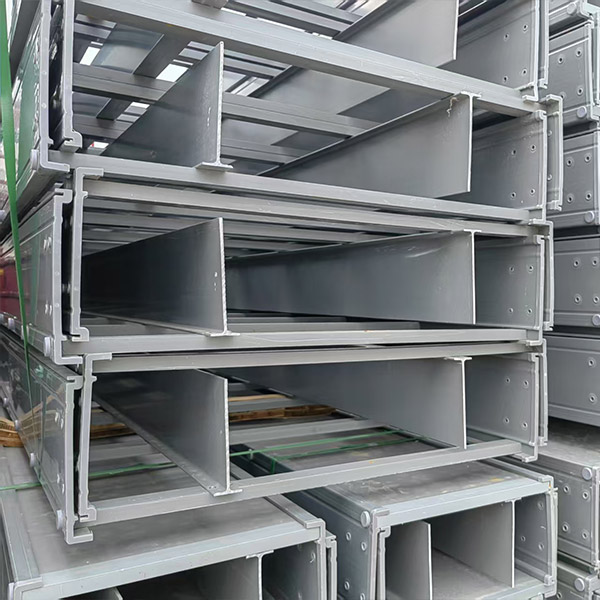
Covers also require secure fixing, especially outdoors or in areas with vibration and airflow. Loose covers can create safety risks, damage cables, or delay maintenance. For export orders, buyers should confirm whether cover clamps, splice plates, bolts, brackets, and other accessories are included before shipment.
Review Standards and Documentation Before Production
Different countries, industries, and project owners may require different standards, drawings, inspection records, or installation rules. Cable tray selection should follow the project specification and local electrical code. For international procurement, documentation should be discussed before production, not after goods are ready to ship.
When a project references cable tray standards, check exactly which documents are required. Industry organizations such as NEMA publish information related to metal cable tray systems, while workplace electrical safety information can also be reviewed through sources such as OSHA electrical safety guidance. Project teams should always apply the rules required by the local authority, owner, consultant, and final installation location.
Avoid adding certification claims to a purchase document unless they are supported by actual records. If a project needs material documents, load information, fire-related documents, drawings, inspection reports, packing lists, or other approval files, list those requirements clearly in the inquiry.
Ask Better Questions Before Buying
A good purchasing decision depends on good questions. Instead of asking only for a quotation, ask the manufacturer questions that confirm whether the tray fits the route and environment.
- What material do you recommend for this environment, and why?
- Is this cable tray suitable for coastal, chemical, outdoor, or high-humidity installation?
- Which tray structure is better for our cable load, ventilation, and protection needs?
- Can you review our drawings or cable schedule before production?
- Are covers, connectors, bends, tees, reducers, brackets, and fasteners included?
- What information is needed to recommend support spacing?
- Can the tray be customized according to width, height, material, cover style, and route drawings?
- What packaging method is used for export shipment?
- What documents can be provided with the order?
These questions help both buyer and supplier avoid misunderstanding. They are especially important for custom cable tray systems because small differences in dimensions, hole patterns, covers, and accessories can affect the installation result.
Common Mistakes to Avoid
One common mistake is choosing only by material name. A buyer may request a corrosion-resistant cable tray without explaining whether the project is coastal, chemical, underground, or outdoor. The supplier may provide a general recommendation, but it may not be the best fit for the actual site.
Another mistake is focusing on the tray body while forgetting accessories. In harsh environments, connectors, fasteners, brackets, covers, and supports need the same level of attention as the main tray. If they are not compatible, the system may develop weak points even when the tray material is suitable.
A third mistake is copying specifications from a previous project. Cable tray requirements should be reviewed for each site. A system that worked well in an indoor commercial building may not be suitable for a chemical plant, coastal facility, tunnel, or wastewater treatment project.
Some projects also underestimate future cable additions. A tray that is full on the first day leaves little room for later expansion. This can force expensive modification work after installation. A better approach is to review current cable needs and reasonable future capacity during the design stage.
Finally, buyers sometimes push for the lowest initial specification without considering maintenance. In corrosive environments, a lower initial cost can lead to more frequent inspection, repair, or early replacement. The better procurement question is not simply which tray is cheaper today, but which tray matches the working conditions and reduces avoidable project risk.
Practical Selection Checklist
- The installation environment is described clearly, including indoor, outdoor, coastal, chemical, tunnel, rooftop, or industrial exposure.
- Corrosion factors such as salt mist, humidity, acid vapor, alkali exposure, UV, washdown, and dust are identified.
- Cable type, cable quantity, cable load, and future expansion needs are reviewed.
- The tray material is selected according to exposure, mechanical load, and project documents.
- The tray structure is chosen according to ventilation, protection, drainage, and maintenance access.
- Tray width, side height, length, bend radius, and support spacing are confirmed.
- Covers are selected after reviewing protection, airflow, drainage, and inspection needs.
- Fasteners, brackets, connectors, and supports are compatible with the corrosion environment.
- Required drawings, standards, inspection documents, and packing details are confirmed before production.
- Export packaging and shipping requirements are discussed in advance.
Conclusion
Choosing corrosion-resistant cable trays is not just a material decision. It is a project decision that includes environment, cable load, tray structure, drainage, UV exposure, accessories, support spacing, documentation, and long-term maintenance. A tray that works well in one building may not be the right choice for a coastal plant, chemical workshop, outdoor pipe rack, tunnel, or wastewater facility.
For demanding environments, buyers should describe the site conditions clearly and work with a cable tray manufacturer that can recommend suitable materials, structures, dimensions, covers, and accessories. FRP cable tray, polymer cable tray, stainless steel cable tray, galvanized cable tray, and other cable support systems all have useful applications when they are selected for the right reasons.
If you are planning a corrosion-resistant cable tray project, share your drawings, cable list, installation environment, and required specifications with Yidian Cable Tray. Our team can help review tray type, material, dimensions, accessories, customization options, and export packaging for your application.