Table of Contents
Introduction
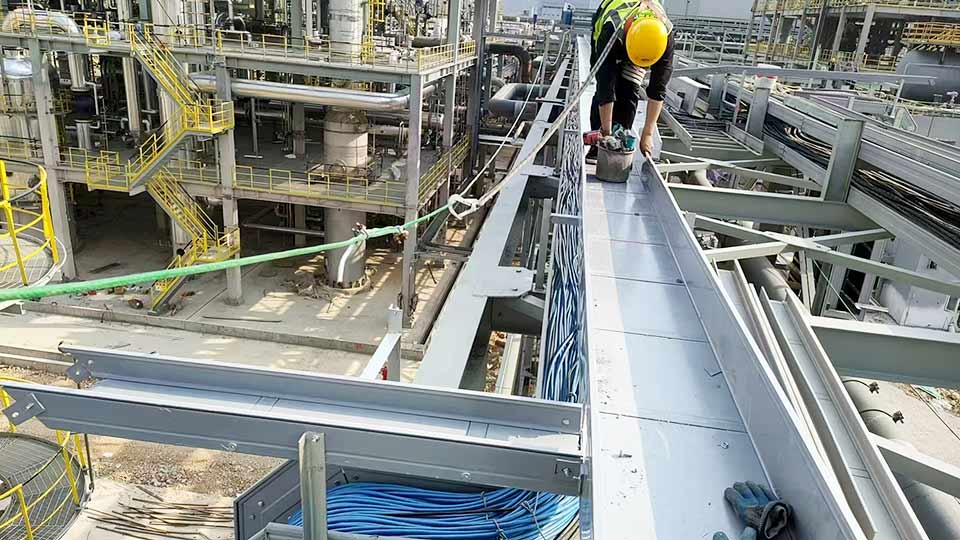
Cable ladder trays are one of the most widely used cable management systems in industrial, commercial, and infrastructure projects. They are designed to support, route, and protect electrical cables while ensuring maximum airflow and easy maintenance access.
In modern electrical engineering, efficiency, safety, and scalability are essential. Cable ladder trays meet these requirements by offering a strong structural design that can handle heavy cable loads while allowing flexible installation and future expansion.
This article explains what ladder-type cable trays are, how they work, and why they are an essential part of modern cable management systems.
What Are Cable Ladder Trays?
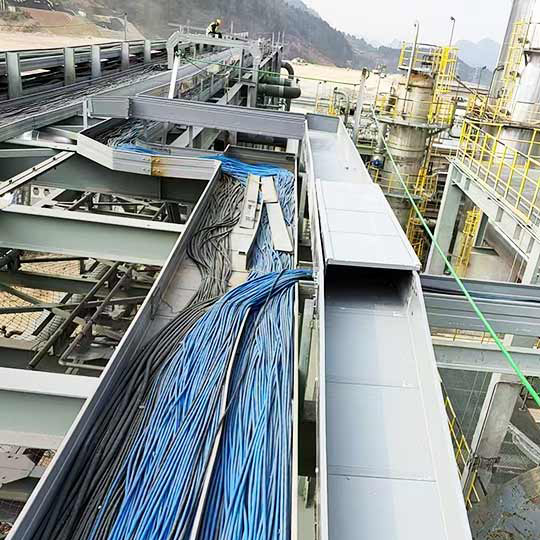
Ladder-type cable trays are a type of cable support system consisting of two longitudinal side rails connected by evenly spaced cross rungs, forming a ladder-like structure. Cables are laid across the rungs rather than enclosed, which allows air to circulate freely around them.
This open design makes them ideal for:
- Power distribution systems
- Industrial control wiring
- Data and communication cables
- Large-scale infrastructure projects
Unlike enclosed trays or conduits, ladder trays prioritize accessibility, heat dissipation, and load-bearing strength.
How Cable Ladder Trays Work
Cable ladder trays function by providing a structured pathway for cables while minimizing physical stress and thermal buildup.
Cable Support Structure
The cross rungs support cables at regular intervals, distributing weight evenly across the tray. This prevents sagging and reduces strain on individual cables.
Open Design for Airflow
The open ladder structure allows continuous airflow around cables. This helps:
- Reduce heat buildup
- Improve cable performance
- Extend insulation lifespan
According to electrical installation guidelines, proper ventilation is critical in high-load cable systems.
Directional Routing and Flexibility
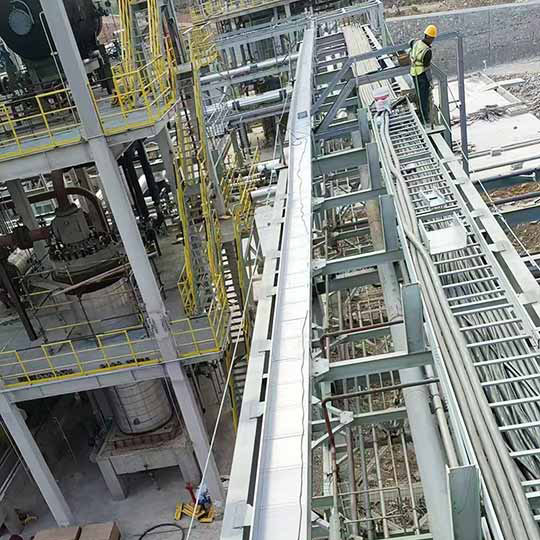
Cable ladder trays can be installed in straight runs, vertical drops, or complex pathways using fittings such as:
- Elbows
- Tees
- Reducers
- Crosses
This modular design makes system expansion and modification simple.
Load Distribution System
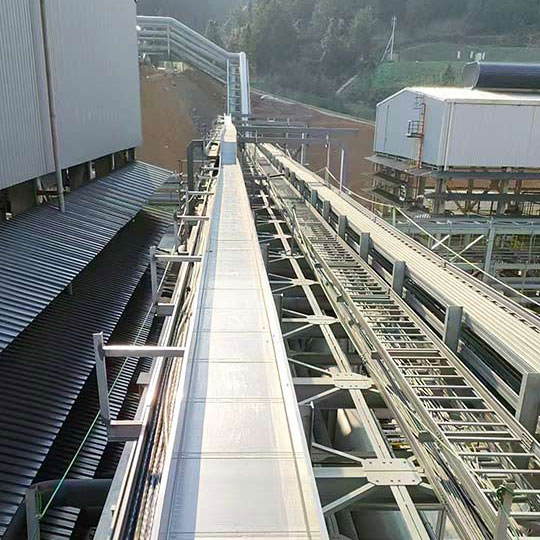
The tray distributes cable weight across supports placed at regular intervals. This reduces structural stress and allows long-span installations in industrial environments.
Key Components of Cable Ladder Trays
| Component | Function | Purpose |
|---|---|---|
| Side Rails | Main structural support | Carry overall load |
| Cross Rungs | Cable support base | Hold cables in place |
| Fittings | Direction changes | Enable routing flexibility |
| Supports | Mounting system | Fix tray to walls/ceilings |
| Accessories | Safety and protection | Improve installation stability |
Advantages of Cable Ladder Trays
High Load Capacity
Ladder-type cable trays are designed to support heavy cable bundles over long distances, making them suitable for industrial applications.
Excellent Heat Dissipation
The open structure prevents heat accumulation, reducing the risk of cable damage and improving system reliability.
Easy Installation and Maintenance
Cables can be added, removed, or inspected without dismantling the system, reducing downtime and maintenance costs.
Flexible System Expansion
New cables can be added easily, and routing changes can be made using modular fittings without major reconstruction.
Long Service Life
When made from galvanized steel, stainless steel, aluminum, or FRP, ladder-type cable trays offer strong corrosion resistance and long-term durability.
Common Applications
Cable ladder trays are widely used in:
- Industrial manufacturing plants
- Power generation facilities
- Commercial building infrastructure
- Data centers and IT networks
- Transportation systems
Their versatility makes them suitable for both indoor and outdoor installations.
Installation Overview
Proper installation is critical for performance and safety:
- Plan cable routing based on load and environment
- Install supports at recommended spacing
- Assemble tray sections using secure connectors
- Ensure proper grounding for metal trays
- Maintain separation between power and data cables
- Avoid overloading beyond rated capacity
Following these steps ensures system stability and compliance with engineering standards.
Common Mistakes to Avoid
- Overloading the tray beyond capacity
- Incorrect support spacing
- Poor cable organization
- Ignoring environmental conditions
- Using incompatible fittings
Avoiding these mistakes improves safety and extends system lifespan.
Conclusion
Cable ladder trays are a highly efficient and reliable solution for modern cable management systems. Their open structure, strong load capacity, and excellent ventilation make them ideal for demanding electrical installations.
By understanding how they work and selecting the right materials and installation methods, you can ensure safe, scalable, and long-lasting cable infrastructure for any project.
FAQ
What are cable ladder trays used for?
Cable ladder trays are used to support and route electrical, control, and communication cables in industrial and commercial environments. Their open structure improves airflow, reduces heat buildup, and allows easy installation and maintenance.
How do cable ladder trays differ from other cable trays?
Unlike solid or enclosed trays, cable ladder trays have an open rung design. This provides better ventilation, higher load capacity, and easier access for cable inspection and upgrades, making them ideal for heavy-duty applications.
What materials are cable ladder trays made from?
Common materials include galvanized steel, stainless steel, aluminum, and FRP. The choice depends on load requirements, corrosion resistance needs, and environmental conditions such as humidity or chemical exposure.
Are cable ladder trays suitable for outdoor use?
Yes, cable ladder trays can be used outdoors when made from corrosion-resistant materials like hot-dip galvanized steel or stainless steel. Proper installation and weather protection help ensure long-term durability in harsh environments.
How often should cable ladder trays be inspected?
It is recommended to inspect cable ladder tray systems every 6–12 months. Regular checks help identify corrosion, loose fittings, overload issues, or cable damage, ensuring safe and reliable long-term operation.
Need Help Choosing the Right Cable Ladder Trays?
If you’re unsure which cable ladder tray system is best for your project or facility, our experts are here to help. Contact us today for a personalized consultation, and ensure your cable management system is safe, efficient, and built for long-term performance. Don’t wait until issues arise—get in touch now to optimize your electrical infrastructure and protect your operations!