Table of Contents
Introduction
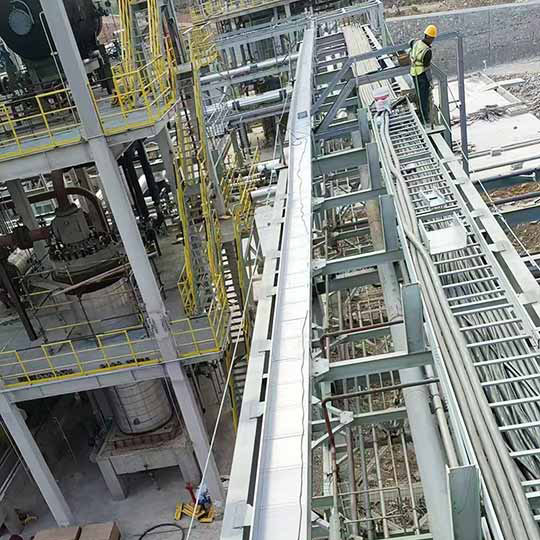
Cable tray for industrial buildings plays a critical role in supporting, protecting, and organizing electrical cables across large-scale facilities. Industrial buildings usually contain power distribution systems, lighting circuits, control wiring, automation equipment, communication networks, and safety systems. Without a reliable cable tray system, cable routing can become difficult to maintain, unsafe, and inefficient.
A well-designed cable tray system improves installation efficiency, reduces maintenance difficulty, and supports future electrical expansion. For industrial buildings with heavy equipment, high cable density, and demanding operating conditions, tray type cable trays provide continuous support and strong cable protection.
Why Industrial Buildings Need Professional Cable Tray Systems
Industrial buildings are different from standard commercial spaces. They often involve heavier electrical loads, longer cable routes, higher temperature variation, vibration from equipment, and more complex cable separation requirements.
A professional cable tray for industrial buildings helps solve several common problems. It keeps cables organized, prevents mechanical damage, improves inspection access, and reduces the risk of overheating caused by poor cable arrangement.
Compared with conduit systems, cable trays offer easier maintenance and better flexibility. When production lines expand or electrical systems are upgraded, additional cables can be added more efficiently.
Key Performance Requirements
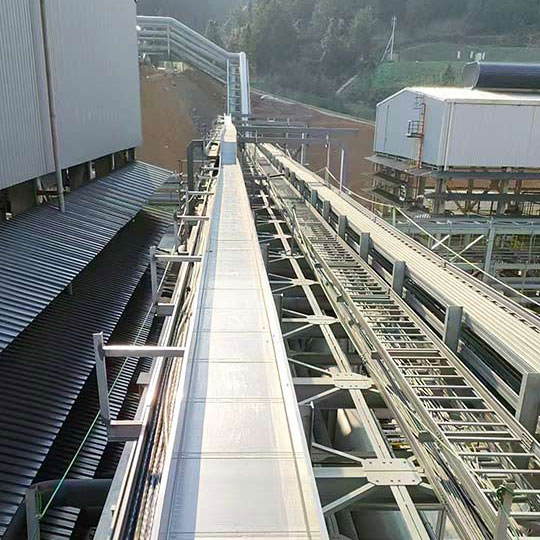
Cable tray systems used in industrial buildings must meet strict performance standards.
Load capacity is one of the most important factors. Industrial buildings often require cable trays to support large bundles of power and control cables. The selected tray must match the total cable weight and support span.
Corrosion resistance is also important, especially in humid workshops, chemical processing areas, or outdoor-connected installations. Hot dip galvanized and stainless steel finishes are commonly used for improved durability.
Fire safety should also be considered. Proper cable separation, tray covers, and compliant installation methods help reduce electrical fire risks.
System scalability is another key requirement. Industrial buildings often change over time, so the tray system should allow future cable additions and layout adjustments.
Recommended Cable Tray Types
Tray type cable trays are suitable for industrial buildings where continuous cable support and better protection are required. They are often used for control cables, communication cables, lighting circuits, and multi-layer cable installations.
Heavy duty tray cable trays are recommended for areas with large power cables or high cable density. Reinforced side rails and thicker materials help prevent deformation.
Hot dip galvanized tray cable trays are suitable for humid, semi-outdoor, or corrosion-prone environments.
Stainless steel tray cable trays are ideal for chemical plants, food processing workshops, coastal industrial buildings, and other demanding environments.
Technical Specification Reference
| Specification Item | Typical Range |
|---|---|
| Tray Width | 100 mm – 1000 mm |
| Side Rail Height | 50 mm – 200 mm |
| Steel Thickness | 1.2 mm – 3.0 mm |
| Length per Section | 2 m / 2.5 m / 3 m |
| Surface Treatment | Pre-Galvanized / Hot Dip Galvanized / Stainless Steel / Powder Coated |
| Load Class | Light Duty / Medium Duty / Heavy Duty |
| Installation Method | Ceiling Suspended / Wall Mounted / Floor Supported / Vertical Riser |
Actual specifications should be selected based on cable load, installation environment, and project drawings.
Engineering Design Considerations
Before selecting a cable tray for industrial buildings, engineers should calculate cable weight per meter and determine the required support spacing. Longer spans require stronger tray structures or additional supports.
Cable separation is also important. Power cables, control cables, and communication cables should be routed properly to reduce electromagnetic interference and improve system safety.
Thermal management should not be ignored. Overcrowded trays can reduce airflow and increase cable temperature. Proper tray width and cable spacing help maintain stable cable performance.
For industrial buildings with future expansion plans, reserving extra tray capacity can reduce future installation costs.
Installation Best Practices
Proper installation ensures long-term safety and performance. Support brackets should be installed according to engineering requirements. Tray sections must be securely connected with compatible accessories.
Grounding and bonding should follow electrical safety standards. For metal tray systems, reliable grounding helps protect equipment and personnel.
In dusty or outdoor-connected areas, protective covers may be used to prevent debris accumulation and improve cable protection.
Regular alignment checks during installation help avoid stress points and ensure a clean cable route.

Applications in Industrial Buildings
Cable tray systems are widely used in production workshops, warehouse facilities, equipment rooms, power distribution areas, automation lines, and utility corridors.
In manufacturing plants, tray type cable trays help organize machinery power cables and control wiring.
In logistics facilities, cable trays support lighting systems, security equipment, and communication networks.
In processing plants, corrosion-resistant cable trays protect electrical systems from moisture, chemicals, and environmental exposure.
Maintenance and Long-Term Reliability
Industrial cable tray systems should be inspected regularly. Maintenance teams should check for loose fasteners, corrosion, coating damage, deformation, and overloaded cable sections.
Good cable labeling and organized routing make troubleshooting much easier. When cables are clearly arranged, technicians can identify circuits quickly and reduce downtime.
With proper material selection and installation, cable tray systems in industrial buildings can provide decades of reliable service.
FAQ
What type of cable tray is best for industrial buildings?
Tray type cable trays and heavy duty tray cable trays are commonly used because they provide strong support and better cable protection.
Can cable trays support heavy power cables?
Yes. Heavy duty tray systems are designed for large cable bundles and industrial power distribution.
Which surface treatment is best for industrial buildings?
Pre-galvanized trays are suitable for dry indoor areas, while hot dip galvanized or stainless steel trays are better for humid or corrosive environments.
Can cable tray systems be customized?
Yes. Width, height, thickness, material, surface finish, and accessories can be customized based on project requirements.
How often should industrial cable trays be inspected?
Inspection every 6–12 months is recommended, especially in high-load, humid, or high-vibration environments.
Need a Professional Cable Tray for Industrial Buildings?
If your industrial building project requires safe, durable, and scalable cable management, our team can help. We provide tray-type cable tray solutions designed for heavy-duty use, corrosion resistance, and long-term reliability.
Contact us today for customized specifications, technical support, and a competitive quotation for your next industrial project.