
Export Buying Guide for Cable Tray is written for engineers, contractors, and procurement teams who need a clear answer before they place an order. The search intent is practical: help importers prepare cable tray orders, documents, and packing requirements. A weak specification can create crowded routes, missing accessories, late drawing changes, and unnecessary maintenance. A stronger specification starts with site conditions, cable information, route drawings, and a realistic view of how the system will be installed.
This guide explains how to evaluate the project without turning the article into a generic product introduction. It also shows where cable tray export fits into the wider cable support decision, including materials, load, ventilation, accessories, export documents, and inspection access.
Table of Contents
Understand the Project Requirement First
A practical cable tray export decision should be based on the real route, not on a copied specification.
Before discussing models or finishes, define the site. Is the route indoor, outdoor, humid, dusty, coastal, chemical, or exposed to regular cleaning? Is it close to process equipment, installed on a rooftop, routed through a tunnel, or placed inside a control room? These details shape cable tray export because every environment places a different demand on the cable support system.
Project teams should also separate power cables, control cables, instrumentation cables, and communication cables. The cable list affects width, depth, bend radius, support spacing, and future expansion. If the buyer only sends a general inquiry, the supplier may quote a tray that looks acceptable but does not match the final installation.
Clear information helps both sides work faster. Drawings, cable schedules, expected cable load, installation height, and required accessories allow the manufacturer to review cable tray export with fewer assumptions. This is especially important for custom products and export orders where corrections after shipment are difficult.
Match the Product to the Working Environment
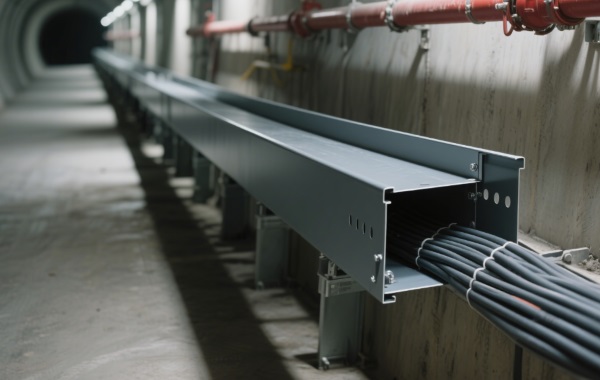
When the project team reviews cable tray export early, installation details become easier to control.
Material selection should follow exposure. Galvanized steel, stainless steel, FRP, polymer, and coated systems each have a useful place, but none of them should be chosen only by habit. The correct cable tray export approach compares corrosion risk, mechanical strength, UV exposure, fire-related project requirements, and maintenance conditions.
For corrosive or outdoor areas, buyers should confirm whether the tray body, connectors, covers, brackets, and fasteners are all suitable for the same environment. A strong tray can still fail at weak connection points if accessories are not included in the same selection logic.
For further product context, review the industrial cable tray article. For broad terminology, the IEC standards overview can also help teams align language before comparing project specifications.
Check Load, Route, and Access Details
| Export Step | Buyer Risk | How to Reduce It |
|---|---|---|
| Specification review | Wrong size or material ordered | Share drawings, load needs, and environment |
| Accessory list | Missing fittings at site | Confirm every bend, tee, cover, and connector |
| Documents | Delayed approval or customs questions | Request drawings and packing documents early |
| Packing | Damage during transport | Confirm export packaging and bundle protection |
The most reliable cable tray export choice is the one that connects cable load, environment, and maintenance access.
Load is more than the total cable weight. Route length, support distance, vertical sections, bends, tees, and maintenance access all influence cable tray export. A straight horizontal route may be simple, while a congested plant corridor may require several fittings and careful support planning.
Future expansion should be discussed before production. Many industrial sites add cables after commissioning, and a tray that is full on day one leaves little flexibility. Reasonable spare capacity can make inspection and later cable additions easier without forcing expensive route changes.
Access is often underestimated. If workers cannot safely inspect, open covers, or replace sections, maintenance becomes slower. Good cable tray export should leave enough space for route checking, cleaning, tightening, and cable management throughout the service life of the installation.
Review Materials, Accessories, and Finishes
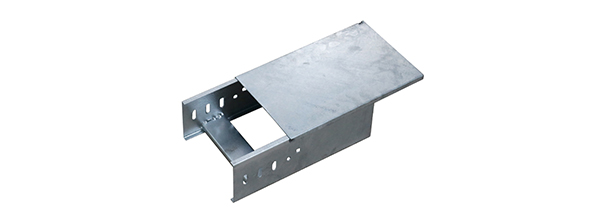
For buyers, cable tray export should be treated as an engineering decision as well as a purchasing decision.
The tray body is only one part of the system. Bends, reducers, tees, crosses, splice plates, covers, hold-down clamps, brackets, and fasteners should be confirmed before purchase. Missing accessories can delay installation even when the main cable tray export specification is correct.
Surface treatment and material compatibility matter in humid, outdoor, and corrosive environments. If the project uses metal components, check whether cutting, drilling, or mixed-metal contact may create weak points. If the project uses FRP or polymer components, confirm load, UV suitability, and connection method.
Technical teams can compare related design issues with the FRP cable tray product center. For workplace or standards context, use an authority source such as NFPA codes and standards instead of relying on unsupported claims.
Avoid Common Specification Mistakes
Good documentation makes cable tray export easier to approve, manufacture, inspect, and install.
The first mistake is copying an old specification into a new project. A tray used in a dry commercial building may not fit an outdoor plant, coastal facility, chemical workshop, or export project. Each site should be reviewed on its own conditions before cable tray export is finalized.
The second mistake is focusing only on width while ignoring side height, support spacing, fittings, and covers. Width is important, but the full route determines whether cables are protected, ventilated, accessible, and easy to maintain.
The third mistake is asking only for a low price without confirming scope. This article avoids specific prices because price depends on material, dimensions, quantity, accessories, packing, documents, and project requirements. A useful quotation starts with a complete cable tray export request.
Procurement Questions to Ask Before Ordering

A practical cable tray export decision should be based on the real route, not on a copied specification.
Ask the supplier why a material or structure is recommended for your site. Ask what information is needed to confirm load and support spacing. Ask whether the quotation includes fittings, covers, splice plates, fasteners, brackets, labels, packing, and documents. These questions make cable tray export more reliable.
For export orders, confirm drawings, item lists, package dimensions, marking, and document requirements early. Importers should also clarify whether products are standard sizes or customized according to drawings. Small errors in accessory quantities can create large delays at the jobsite.
Good communication also protects the supplier. When the buyer explains the working environment, the manufacturer can avoid recommending a product outside its intended use. That is why cable tray export should be treated as a shared technical review, not only a purchasing line item.
Practical Checklist for Project Teams
When the project team reviews cable tray export early, installation details become easier to control.
- Confirm the installation environment before selecting cable tray export.
- Prepare cable type, cable quantity, route drawings, and expected load.
- Review tray width, height, bend radius, covers, and support spacing together.
- Check accessories, fasteners, and brackets before confirming the order.
- Use meaningful internal documents and authority references instead of unsupported claims.
- Confirm export packing and documentation when the order is shipped internationally.
This checklist is simple, but it prevents many common delays. When all parties use the same project information, cable tray export becomes easier to approve and easier to install.
A practical cable tray export decision should be based on the real route, not on a copied specification. A useful project file should include route drawings, cable schedules, material notes, accessory lists, and any owner requirements that affect inspection or maintenance. When these details are missing, the purchasing team may receive a quotation that is technically incomplete even if the tray length and width look correct.
When the project team reviews cable tray export early, installation details become easier to control. Installation teams also need enough information to avoid improvised field changes. Cutting, drilling, unsupported spans, mixed fasteners, and missing covers can all reduce the quality of the final route. Early coordination between engineering, purchasing, and installation reduces these problems.
The most reliable cable tray export choice is the one that connects cable load, environment, and maintenance access. For international orders, documentation should be checked before production. Buyers may need drawings, packing information, material descriptions, inspection records, or project-specific labels. Asking for these items after shipment can delay acceptance at the site.
For buyers, cable tray export should be treated as an engineering decision as well as a purchasing decision. Maintenance should be considered before the first tray section is installed. Workers need safe access to inspect joints, open covers, clean dust, add cables, and replace damaged sections. A route that is difficult to reach will cost more time whenever the system needs attention.
Good documentation makes cable tray export easier to approve, manufacture, inspect, and install. The supplier should not be expected to guess the final environment. If the route is near the sea, exposed to chemical vapor, installed outdoors, or used in a dusty industrial corridor, state that clearly in the inquiry. A more complete inquiry leads to a more responsible recommendation.
A practical cable tray export decision should be based on the real route, not on a copied specification. A strong specification also avoids unnecessary claims. Instead of relying on unsupported promises, project teams should connect each requirement to a real working condition, a drawing, a recognized standard, or a documented owner requirement.
When the project team reviews cable tray export early, installation details become easier to control. When several tray types could work, compare them by route function rather than by product name. Ventilation, cable support, protection, drainage, inspection access, and future expansion are usually more useful decision points than a simple preference for one familiar model.
The most reliable cable tray export choice is the one that connects cable load, environment, and maintenance access. Before confirming the order, review the quotation line by line. Check whether quantities include straight sections only or a complete system with fittings, covers, splice plates, brackets, fasteners, and packing. This is where many preventable jobsite delays begin.
For buyers, cable tray export should be treated as an engineering decision as well as a purchasing decision. A useful project file should include route drawings, cable schedules, material notes, accessory lists, and any owner requirements that affect inspection or maintenance. When these details are missing, the purchasing team may receive a quotation that is technically incomplete even if the tray length and width look correct.
Good documentation makes cable tray export easier to approve, manufacture, inspect, and install. Installation teams also need enough information to avoid improvised field changes. Cutting, drilling, unsupported spans, mixed fasteners, and missing covers can all reduce the quality of the final route. Early coordination between engineering, purchasing, and installation reduces these problems.
A practical cable tray export decision should be based on the real route, not on a copied specification. For international orders, documentation should be checked before production. Buyers may need drawings, packing information, material descriptions, inspection records, or project-specific labels. Asking for these items after shipment can delay acceptance at the site.
When the project team reviews cable tray export early, installation details become easier to control. Maintenance should be considered before the first tray section is installed. Workers need safe access to inspect joints, open covers, clean dust, add cables, and replace damaged sections. A route that is difficult to reach will cost more time whenever the system needs attention.
The most reliable cable tray export choice is the one that connects cable load, environment, and maintenance access. The supplier should not be expected to guess the final environment. If the route is near the sea, exposed to chemical vapor, installed outdoors, or used in a dusty industrial corridor, state that clearly in the inquiry. A more complete inquiry leads to a more responsible recommendation.
Conclusion
The most reliable cable tray export choice is the one that connects cable load, environment, and maintenance access.
The best cable tray export decision connects product design with the actual conditions of the site. It is not enough to choose a familiar tray type or repeat a previous specification. Buyers should review environment, cable load, support spacing, accessories, documentation, and future maintenance before production.
If you are planning a new cable support project, share your drawings, cable list, installation environment, and required documents with Yidian Cable Tray. Our team can help review the practical details so your cable tray export request is clearer before manufacturing begins.
