Table of Contents
Introduction
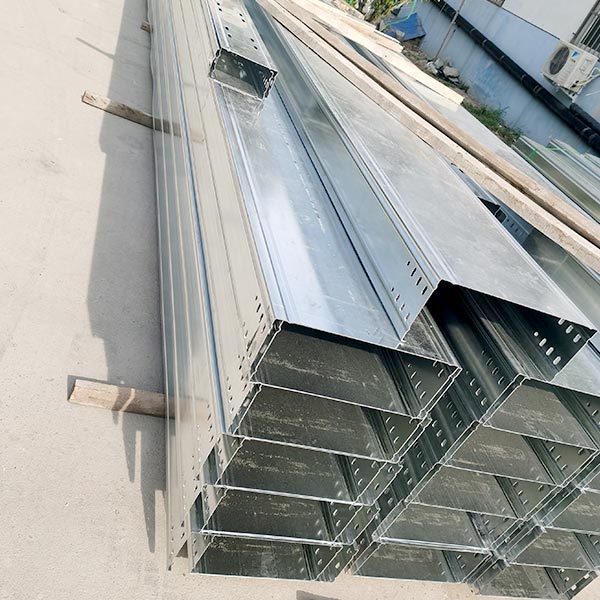
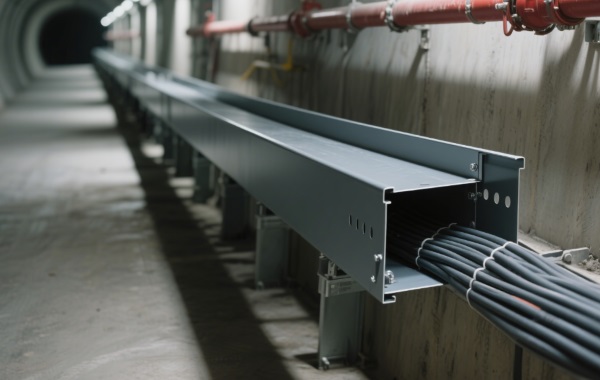
A tray type cable tray is a solid-bottom or perforated cable management system designed to provide continuous support and enhanced protection for electrical cables, communication lines, and control wiring. Compared with ladder cable trays, tray type systems offer superior cable containment, better mechanical protection, and improved organization for high-density installations.
This type of cable tray is widely used in industrial plants, commercial buildings, infrastructure projects, and power distribution systems where safety, durability, and cable protection are top priorities.
With increasing cable complexity in modern construction, selecting the right tray type cable tray system directly impacts installation efficiency, operational safety, and long-term maintenance costs.
Structural Design and Technical Features
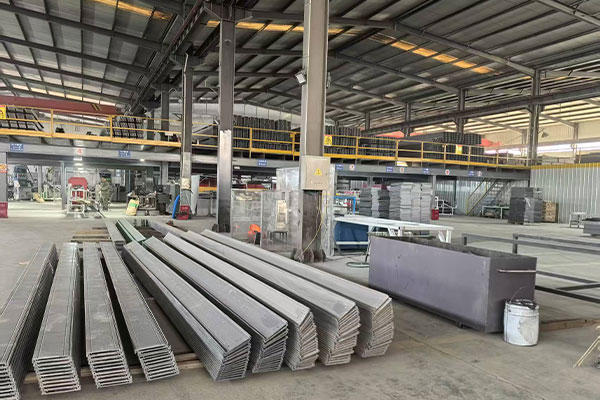
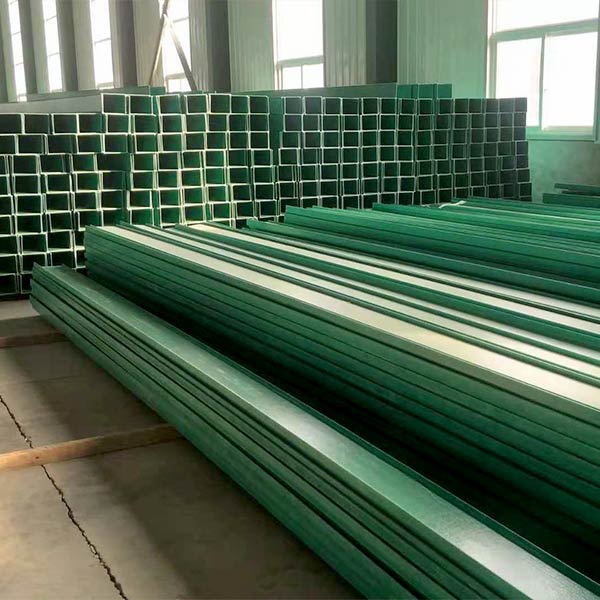
A tray type cable tray consists of a continuous bottom panel combined with reinforced side rails. The bottom panel may be fully solid for maximum protection or perforated to improve ventilation and drainage.
Key design characteristics include uniform load distribution, compatibility with protective covers, reinforced side walls for structural integrity, and integration with standard fittings such as bends, tees, reducers, and vertical risers.
Unlike ladder trays, tray type cable trays prevent smaller cables from sagging between rungs, making them particularly suitable for instrumentation cables, fiber optics, and control systems.
Standard Specifications
Below is a typical specification reference for tray type cable trays. Actual dimensions and load ratings may vary depending on manufacturer and material thickness.
| Parameter | Standard Range |
|---|---|
| Width | 100 mm – 1000 mm |
| Side Rail Height | 50 mm – 150 mm |
| Material Thickness | 1.0 mm – 2.5 mm |
| Length per Section | 2 m – 3 m |
| Surface Finish | Pre-galvanized / Hot-dip Galvanized / Stainless Steel / Powder Coated |
| Maximum Load Capacity | Depends on span and thickness (light to heavy duty options available) |
| Installation Type | Ceiling suspended / Wall mounted / Floor supported / Vertical riser |
Engineers must calculate cable weight per meter and consider support span distance to ensure structural safety.
Advantages of Tray Type Cable Tray
One major advantage of tray type cable trays is enhanced mechanical protection. The continuous bottom shields cables from impact, falling debris, and environmental contamination.
Another advantage is improved cable containment. Small-diameter cables remain securely supported without additional mesh or liner accessories.
Tray type cable trays also provide better fire management options. When installed with covers, they can help reduce flame spread and protect cables in public or high-traffic areas.
From an aesthetic standpoint, tray type cable trays offer a clean, structured appearance, making them suitable for exposed installations in commercial spaces.
Additionally, divider accessories allow separation of power and communication cables, improving electromagnetic compatibility and system reliability.
Material Options and Corrosion Resistance
Selecting the right material ensures long-term performance under various environmental conditions.
Pre-galvanized steel tray type cable trays are commonly used in indoor dry environments and commercial buildings.
Hot-dip galvanized trays are recommended for outdoor applications, humid environments, and industrial facilities where corrosion resistance is critical.
Stainless steel tray type cable trays are ideal for chemical plants, coastal areas, food processing facilities, and highly corrosive environments.
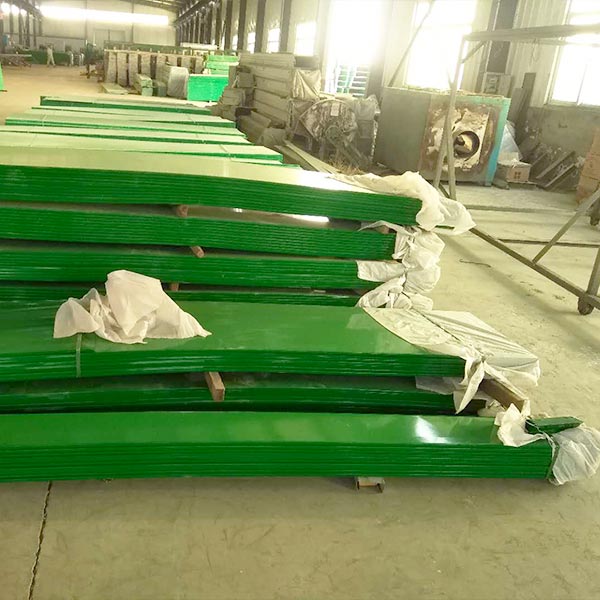
Powder-coated finishes enhance aesthetics and provide additional surface protection.
Material selection should align with project lifespan requirements and environmental exposure levels.
Load Capacity and Span Considerations
Load capacity depends on tray width, material thickness, side rail height, and support spacing.
Reducing the span between supports increases load capacity and minimizes deflection. For heavy-duty power cables, reinforced designs and thicker materials are recommended.
Engineers must consider total cable weight, future expansion allowance, and safety factors when designing the tray system.
In seismic zones or vibration-prone environments, additional bracing may be required.
Applications of Tray Type Cable Tray
Tray-type cable trays are commonly installed in manufacturing plants to protect power and control cables.
They are widely used in commercial office buildings for lighting, HVAC systems, and communication networks.
Data centers use tray-type cable trays where organized routing and cable containment are essential.
Transportation infrastructure, such as airports and metro stations, relies on tray-type cable trays for secure, durable cable management.
Energy facilities, including substations and power plants, benefit from their structural strength and protective design.
Tray Type vs Ladder Type Cable Tray
While ladder cable trays provide superior ventilation and higher load capacity for large power cables, tray-type cable trays offer better containment and protection for smaller or multi-layer cable installations.
Tray-type systems are often preferred when cable density is high and additional environmental protection is required.
Choosing the correct system depends on airflow requirements, cable size, environmental exposure, and project budget.
Installation Best Practices
Proper installation ensures long-term performance.
Support spacing must comply with engineering standards to prevent sagging. Grounding and bonding are essential for electrical safety. Covers should be installed in dusty or outdoor environments.
Regular inspection and maintenance help extend service life and maintain system integrity.
Conclusion
A tray type cable tray provides continuous cable support, enhanced protection, and organized routing for electrical and communication systems. Its enclosed structure, material flexibility, and compatibility with various installation methods make it a dependable solution for commercial and industrial projects.
When engineered and installed correctly, tray type cable trays deliver long-term durability, safety compliance, and scalable cable management performance.