Table of Contents
Introduction
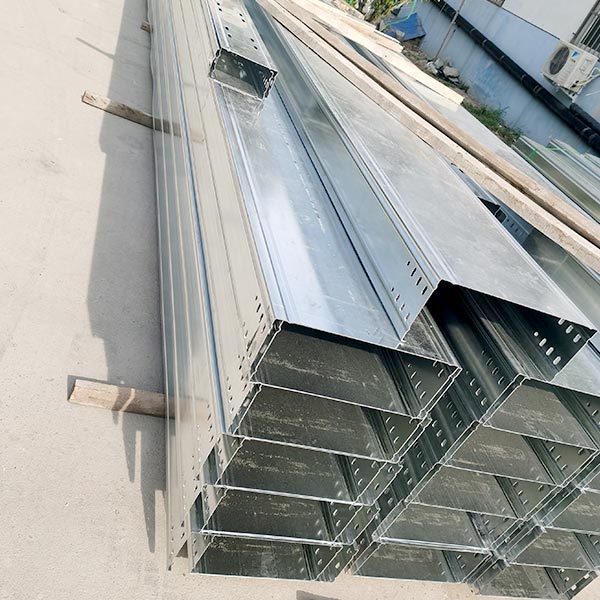
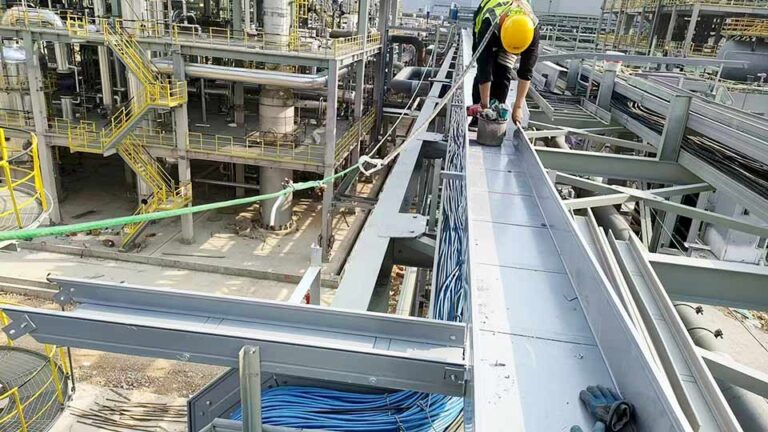
Stainless steel cable tray solutions provide long-lasting, corrosion-resistant, and robust support for electrical cables in industrial, commercial, and offshore environments. With increasing demands for reliable power and control systems, selecting the right stainless steel cable tray is critical for safety, efficiency, and compliance. These trays protect power, instrumentation, and communication cables from environmental hazards, mechanical stress, and fire risks while ensuring organized and scalable cable routing.

Benefits of Stainless Steel Cable Tray Solutions
Stainless steel cable trays offer several advantages over traditional materials:
- Corrosion Resistance: Ideal for corrosive industrial environments, chemical plants, and offshore installations.
- Durability: Withstands mechanical impacts, vibration, and heavy cable loads.
- Fire Resistance: Stainless steel provides inherent fire protection compared to plastic or polymer alternatives.
- Low Maintenance: Long-lasting material reduces maintenance frequency and costs.
- Flexibility: Modular designs enable easy future expansions and modifications.
Types of Stainless Steel Cable Tray Solutions
Ladder Cable Tray
The ladder design ensures proper ventilation and heat dissipation for high-current power cables, reducing thermal stress and improving cable lifespan.
Perforated Cable Tray
Perforated stainless steel trays allow air circulation while providing extra protection from debris. Suitable for industrial and commercial applications.
Channel Cable Tray
Compact and ideal for branch circuits, short runs, and instrumentation cables, channel trays fit easily into tight spaces while maintaining cable organization.
Fireproof Stainless Steel Cable Tray
Designed to meet strict fire safety codes, these trays offer enhanced protection for critical electrical infrastructure, particularly in high-risk industrial environments.
Material Grades and Performance
Choosing the correct stainless steel grade ensures optimal performance and longevity. Below is a comparison table including load-bearing and environmental suitability:
| Material Grade | Corrosion Resistance | Load Capacity | Fire Resistance | Best Applications |
|---|---|---|---|---|
| SS304 | High | Medium | Medium | Indoor industrial and commercial areas |
| SS316L | Very High | High | High | Offshore, chemical, and corrosive environments |
| SS316 | High | High | High | Coastal or high-humidity facilities |
| SS430 | Medium | Medium | Medium | Non-critical indoor installations |

Installation Guidelines
Proper installation of stainless steel cable trays ensures safety and long-term durability:
- Ensure correct support spacing based on cable weight and tray type.
- Use stainless steel fasteners and clamps to prevent galvanic corrosion.
- Maintain proper cable segregation to reduce electromagnetic interference.
- Allow for thermal expansion in outdoor or temperature-variable environments.
- Regularly inspect tray conditions and connections for corrosion or mechanical damage.
Applications of Stainless Steel Cable Tray Solutions
Stainless steel trays are widely used in various sectors:
- Industrial Plants: Support heavy machinery power cables and instrumentation networks.
- Chemical Facilities: Corrosion-resistant trays protect cables from aggressive chemicals.
- Offshore Platforms: Withstand saltwater exposure, humidity, and vibration.
- Food Processing Plants: Hygienic, easy-to-clean, and durable for high-moisture areas.
- Power Plants and Utilities: Ensure reliable distribution of high-voltage and control cables.

How to Choose Stainless Steel Cable Trays
When selecting stainless steel cable trays, consider:
- Cable Type and Load: High-power versus control or instrumentation cables have different requirements.
- Environmental Exposure: Offshore, chemical, or high-humidity environments require SS316L or FRP hybrid solutions.
- Fire Safety Needs: Choose fireproof stainless steel trays for critical systems.
- Future Expansion: Modular systems enable easier installation of additional cables.
FAQ
Which stainless steel grade is best for offshore projects?
SS316L is preferred due to its superior resistance to saltwater corrosion and durability under harsh marine conditions.
Are stainless steel trays suitable for high-temperature areas?
Yes, stainless steel retains structural integrity and fire resistance in high-temperature industrial environments.
How often should stainless steel cable trays be inspected?
Every 6–12 months, depending on exposure to corrosive chemicals or offshore conditions.
Can stainless steel trays be installed outdoors?
Yes, SS316L and SS316 are ideal for outdoor installations, providing excellent corrosion and UV resistance.
What types of cables are best supported by stainless steel trays?
Power, instrumentation, control, and data cables all benefit from stainless steel’s strength, corrosion resistance, and fire safety features.
Conclusion
Stainless steel cable tray solutions provide reliable, corrosion-resistant, and durable support for industrial, offshore, and commercial electrical systems. By selecting the appropriate grade, type, and installation method, facilities can ensure long-term safety, operational efficiency, and compliance with fire and corrosion standards. Investing in stainless steel cable trays protects critical infrastructure and reduces maintenance costs over time.
Need Help Choosing the Right Stainless Steel Cable Tray?
If you’re unsure which stainless steel cable tray fits your facility or offshore project, our experts are ready to assist. Contact us today for a personalized consultation and ensure your electrical systems are safe, organized, and reliable. Don’t wait—secure your long-lasting cable management solution now!