Table of Contents
Reliable cable management is a key part of modern industrial infrastructure. In large-scale facilities, power plants, and processing environments, a well-designed cable support system helps ensure safety, efficiency, and long-term operational stability.
As a manufacturer with experience supplying global projects, we work closely with engineers and contractors to deliver durable stainless steel tray systems designed for demanding conditions. This guide explains system types, material options, technical considerations, and typical applications to help buyers make informed decisions.
What Is a Stainless Cable Tray?

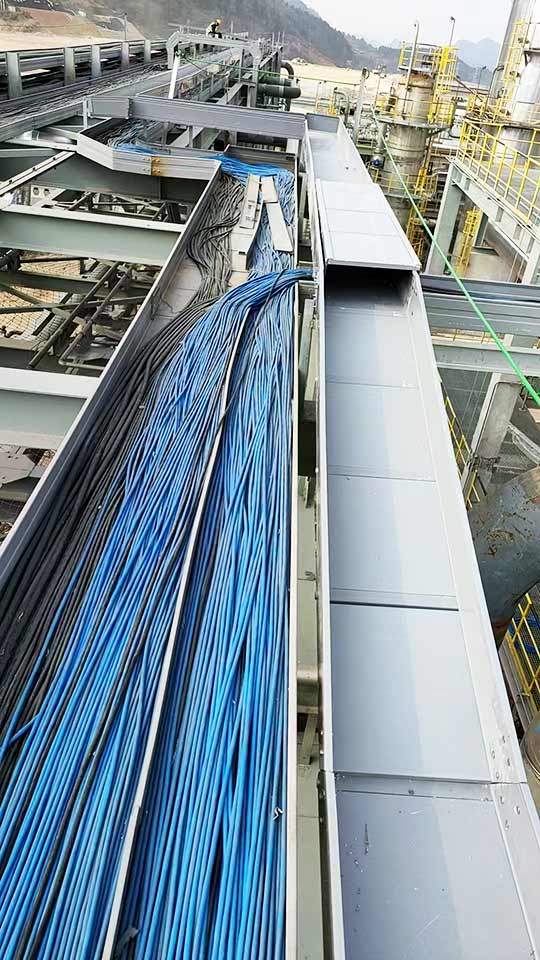
A cable tray system is used to support and organize electrical and communication cables throughout industrial and commercial facilities. Compared with closed conduit systems, tray-based solutions allow easier inspection, improved airflow, and greater flexibility for future expansion.
When stainless steel is selected as the base material, the system becomes especially suitable for environments exposed to moisture, chemicals, or strict hygiene requirements. These systems are commonly installed in processing plants, offshore facilities, and outdoor industrial areas.
Why Stainless Steel Is Used in Cable Management Systems
Stainless steel is chosen primarily for its durability and resistance to corrosion. It maintains structural integrity under heavy loads and harsh conditions, while requiring minimal maintenance over its service life. For many projects, this results in lower long-term operating costs despite a higher initial investment.
Types of Cable Tray Systems
Different structural designs are available to match specific project needs:
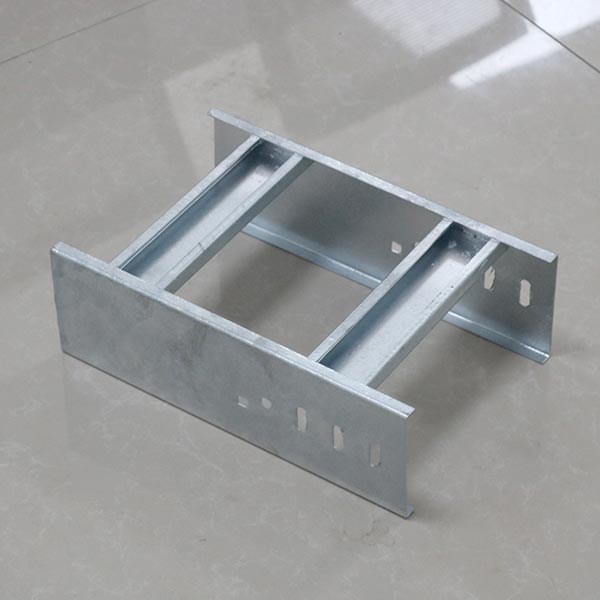
- Ladder-style trays for heavy power cables
- Perforated designs that balance strength and ventilation
- Solid-bottom trays for added cable protection
- Wire mesh systems for lightweight or data cabling
Selecting the Right Structure for Your Project
The choice depends on cable weight, environmental exposure, and maintenance requirements. Power-intensive installations often require open designs for heat dissipation, while enclosed structures are preferred where protection from debris or liquids is critical.
Material Options and Stainless Steel Grades

Material grade selection plays a major role in system performance and lifespan. The most widely used grades are 304 and 316 stainless steel.
Grade 304 is suitable for general industrial environments, while grade 316 provides enhanced resistance in aggressive conditions such as coastal, chemical, or offshore locations.
304 vs 316 Stainless Steel Comparison
| Item | Grade 304 | Grade 316 |
|---|---|---|
| General corrosion resistance | Good | Very high |
| Chemical exposure tolerance | Moderate | Excellent |
| Marine environments | Limited | Highly suitable |
| Typical cost level | Lower | Higher |
Specifications, Dimensions, and Load Performance
Tray width, side height, thickness, and support spacing are selected based on cable quantity and weight. Standard dimensions meet most project needs, while custom sizes are often specified for complex layouts or space constraints.
Understanding Load Capacity Requirements
Proper load calculation ensures structural safety and compliance with international standards. Manufacturers typically assist with technical evaluation to ensure the selected system meets both performance and budget requirements.
Standards and Manufacturing Quality
High-quality tray systems are produced in accordance with recognized international standards such as ASTM, IEC, or NEMA. These standards define material composition, mechanical strength, and installation safety.
Manufacturing Quality Control
A controlled production process usually includes material inspection, forming, welding, surface finishing, and final testing. Consistent quality control is especially important for large or long-term projects.
Industry Applications
Stainless steel tray systems are widely used in sectors that demand reliability and durability, including:
- Chemical and petrochemical facilities
- Oil and gas operations
- Power generation and substations
- Food, beverage, and pharmaceutical plants
- Marine and offshore installations
Performance in Harsh Environments
In corrosive or hygienic environments, stainless steel systems provide long-term reliability with reduced maintenance needs, making them a preferred solution for critical infrastructure.
Installation and Maintenance Considerations
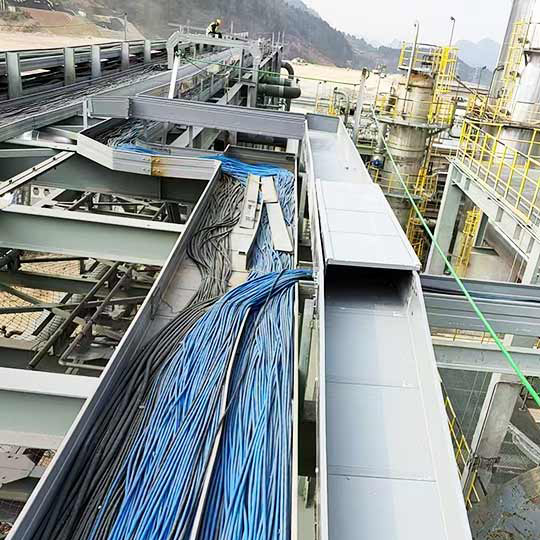
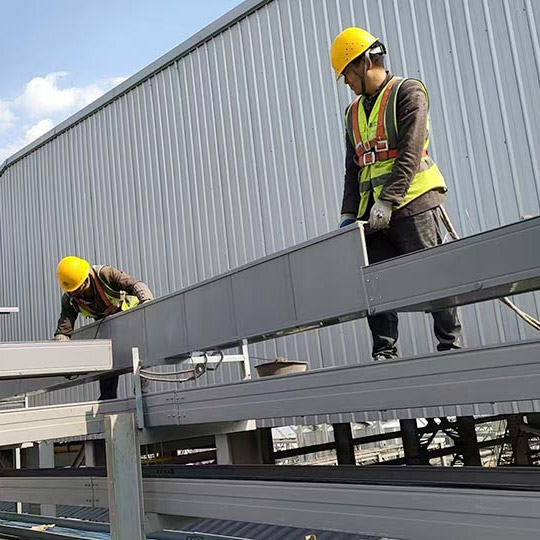
Correct installation ensures system performance over its entire lifespan. Key factors include proper support spacing, secure fastening, and allowance for thermal movement.
Common Issues to Avoid
Overloading, insufficient supports, or incompatible materials can lead to premature failure. Periodic inspection helps maintain system safety and reliability.
Cost Factors and Budget Planning
Pricing is influenced by material grade, thickness, system design, customization level, and order volume. Project-specific requirements often determine the final cost more than the basic structure itself.
Balancing Cost and Performance
Working directly with a manufacturer allows buyers to optimize specifications, avoid unnecessary features, and achieve better overall value without compromising quality.
Custom Stainless Cable Tray Manufacturing Solutions

As a manufacturer, we provide OEM and custom stainless cable tray solutions tailored to specific project needs. Custom options include non-standard sizes, special finishes, and complete tray systems with fittings and accessories.
Why Work Directly with a Stainless Cable Tray Manufacturer
- Competitive factory-direct pricing
- Consistent quality control
- Flexible customization capabilities
- Technical support from design to installation
How to Choose a Reliable Stainless Cable Tray Supplier
When selecting a supplier, consider manufacturing experience, quality certifications, project references, and after-sales support. A reliable partner contributes not only products but also engineering expertise.
Conclusion
Stainless cable trays play a vital role in safe and efficient cable management for industrial and commercial projects. By understanding tray types, material grades, specifications, and application requirements, buyers can make informed decisions that ensure long-term performance and cost efficiency.
Choosing an experienced stainless cable tray manufacturer helps you achieve reliable quality, customized solutions, and dependable supply for your projects. Whether you need standard products or tailored systems, working with the right manufacturer ensures your cable management system meets both technical and operational demands.
FAQ
What is a stainless cable tray used for?
A stainless cable tray is used to support and organize electrical and communication cables in industrial and commercial installations, especially where corrosion resistance and durability are required.
When should stainless steel be chosen over other cable tray materials?
Stainless steel is preferred in corrosive, hygienic, or outdoor environments such as chemical plants, marine facilities, and food processing areas due to its long service life and low maintenance needs.
What is the difference between 304 and 316 stainless steel cable trays?
Grade 304 is suitable for general industrial use, while grade 316 offers better resistance to chemicals and salt exposure, making it ideal for coastal or offshore applications.
Can stainless cable trays be customized for specific projects?
Yes, manufacturers can provide custom sizes, thicknesses, tray types, and accessories to meet specific project layouts and load requirements.
How long does a stainless cable tray system typically last?
With proper installation and minimal maintenance, stainless steel tray systems can last for decades, even in harsh industrial environments.
Need Help Choosing the Right Stainless Cable Tray System?
If you’re unsure which cable tray solution best fits your project requirements, our experienced team is here to support you. As a professional manufacturer, we provide expert guidance, customized solutions, and reliable production to meet industrial standards. Contact us today for a personalized consultation and ensure your cable management system is durable, efficient, and built for long-term performance. Don’t compromise on quality—get in touch with us now to discuss your project needs!