Table of Contents
Introduction
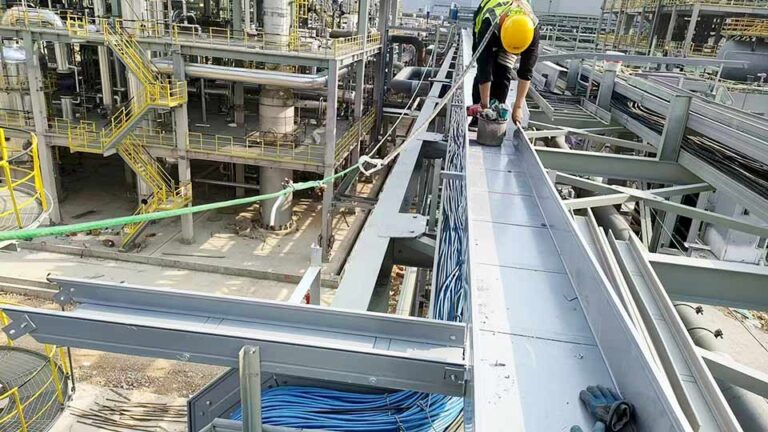
Modern industrial and commercial facilities demand cable management systems that are adaptable, scalable, and easy to maintain. Modular cable tray systems provide a flexible solution for routing power, control, and data cables while maintaining organization, safety, and compliance with electrical standards. Unlike traditional fixed trays, modular systems allow for quick installation, reconfiguration, or expansion as project needs evolve, saving time and labor costs.
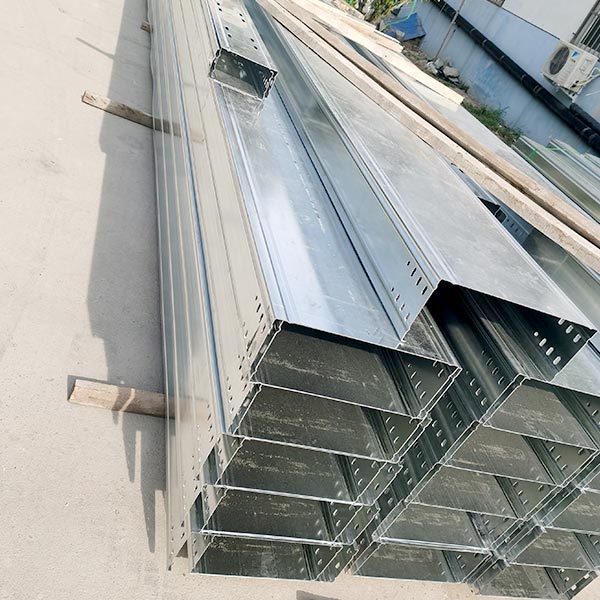
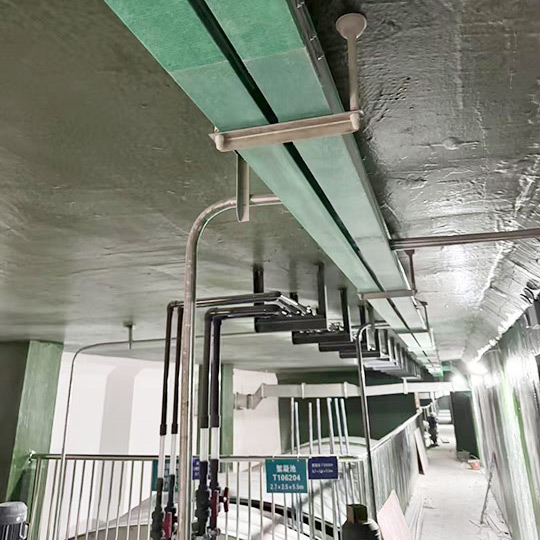
Modular cable trays can be constructed from stainless steel, galvanized steel, FRP, or polymer composites. Each material provides unique benefits based on environmental exposure, load requirements, and maintenance expectations. These systems are especially advantageous in projects where future expansion is anticipated, such as industrial plants, data centers, offshore facilities, and renewable energy installations.
Benefits of Modular Cable Tray Systems
- Flexibility: Modules can be easily reconfigured or expanded to accommodate new cables or layout changes.
- Reduced Installation Time: Pre-fabricated modules simplify assembly, reducing labor and downtime.
- Durability: Materials such as stainless steel and FRP provide long-term strength and corrosion resistance.
- Safety: Organized routing reduces trip hazards, mechanical damage, and fire risk.
- Cost-Effective: Modular trays reduce long-term maintenance and upgrade costs due to their adaptability.
- Scalable Design: Perfect for evolving facilities, allowing new systems to be integrated without major disruptions.
Types of Modular Cable Tray Systems
Ladder Modular Tray
Ladder-style modules provide high load capacity and excellent ventilation for heat-sensitive cables. They are ideal for high-power installations in industrial and commercial applications. Ladder trays allow cables to be clipped or tied securely while ensuring proper airflow.
Perforated Modular Tray
Perforated trays are designed for medium-weight cables and offer a balance between ventilation and protection. Perforations prevent water accumulation and debris buildup while allowing air circulation, making them suitable for instrumentation and control systems.
Solid-Bottom Modular Tray
Solid-bottom modules protect sensitive cables from moisture, dust, and mechanical impact. They are ideal for low-voltage systems, data centers, and control circuits where cable safety is critical.
Hybrid Modular Systems
Hybrid modular systems combine materials, such as stainless steel frames with polymer inserts, to balance weight, load capacity, and corrosion resistance. These are useful in corrosive or coastal environments where both durability and lightweight construction are required.
Custom Modular Systems
Custom modular trays can be engineered to fit unique layouts, including curved sections, split levels, or specialized load requirements. These are commonly used in offshore platforms, chemical plants, and renewable energy installations.
Material Comparison and Specifications
| Material | Corrosion Resistance | Load Capacity | Weight | UV Resistance | Best Applications |
|---|---|---|---|---|---|
| Stainless Steel | Excellent | High | Medium | High | Industrial, offshore, chemical plants |
| Galvanized Steel | Medium | High | Medium | Medium | Commercial, light industrial |
| FRP (Fiberglass Reinforced Plastic) | Excellent | Medium | Low | High | Humid, coastal, outdoor applications |
| Polymer Composite | High | Medium | Low | High | Indoor light-duty, flexible installations |
Key Considerations When Choosing a Modular Cable Tray System
- Cable Load and Type: Determine the weight and type of cables to ensure adequate support.
- Environmental Exposure: Consider humidity, UV exposure, chemical contact, and coastal conditions when selecting materials.
- Expansion Plans: Modular systems are ideal for facilities expecting future growth or cable additions.
- Fire and Safety Compliance: Verify trays meet local and international electrical and fire safety standards.
- Ease of Maintenance: Modular trays allow easy access for inspections, cable replacement, and upgrades.
Installation Guidelines
- Use compatible connectors, bolts, and clamps to ensure stability and corrosion resistance.
- Maintain proper support spacing to prevent sagging and cable strain.
- Plan for thermal expansion and contraction, especially in outdoor or high-temperature environments.
- Keep power and control/data cables segregated to reduce interference.
- Conduct regular inspections to identify wear, corrosion, or misalignment.
Applications of Modular Cable Tray Systems
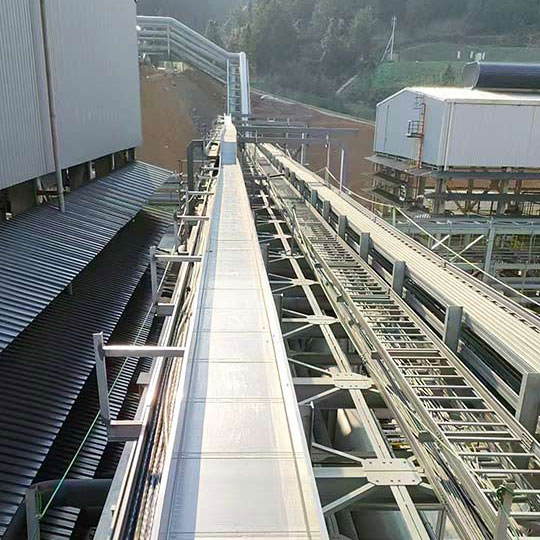
- Industrial Plants: Efficiently route power, control, and instrumentation cables, allowing for future expansions.
- Commercial Buildings: Organize complex networks for lighting, power, and IT systems.
- Data Centers: Scalable cable management for high-density data and power cabling.
- Renewable Energy Facilities: Modular trays for solar farms, wind turbines, and hybrid energy systems.
- Offshore and Marine Installations: Corrosion-resistant materials withstand saltwater and harsh weather conditions.
- Healthcare Facilities: Flexible tray systems accommodate frequent changes in electrical and medical equipment layouts.
Advantages Over Traditional Cable Trays
- Reconfigurability: Unlike fixed trays, modular trays allow changes without major renovations.
- Reduced Downtime: Installation or expansion can occur without disrupting existing cable systems.
- Cost Savings: Fewer labor hours, reduced maintenance, and long-term adaptability make modular trays more economical.
- Enhanced Safety: Organized systems reduce fire hazards, mechanical strain, and accidental damage.
- Sustainability: Many modular tray components are recyclable or reusable for future projects.
Conclusion
Modular cable tray systems offer the perfect combination of flexibility, durability, and scalability for modern industrial, commercial, and offshore facilities. They reduce installation time, support future expansions, and ensure organized, safe, and reliable cable management. Investing in modular systems future-proofs your electrical infrastructure while reducing maintenance costs and downtime.
FAQ
What are modular cable trays?
They are prefabricated, adjustable sections of cable trays that can be easily assembled, reconfigured, or expanded.
Can modular trays support high-power industrial cables?
Yes, ladder-style or reinforced modules are designed to handle heavy cable loads.
Are modular cable trays suitable for outdoor or coastal installations?
Yes, FRP, polymer, and stainless steel modules provide corrosion and UV resistance.
How often should modular cable trays be inspected?
Inspections every 6–12 months are recommended, depending on environment and load.
Can modular systems reduce installation time?
Yes, pre-fabricated modules are faster to install than traditional fixed cable trays, saving labor costs.
Need Help Choosing the Right Modular Cable Tray System?
If you’re unsure which modular cable tray fits your project, our experts are here to guide you. Contact us today for a personalized consultation and ensure your cable management system is safe, flexible, and reliable. Don’t wait—future-proof your electrical infrastructure now!