Table of Contents
Introduction
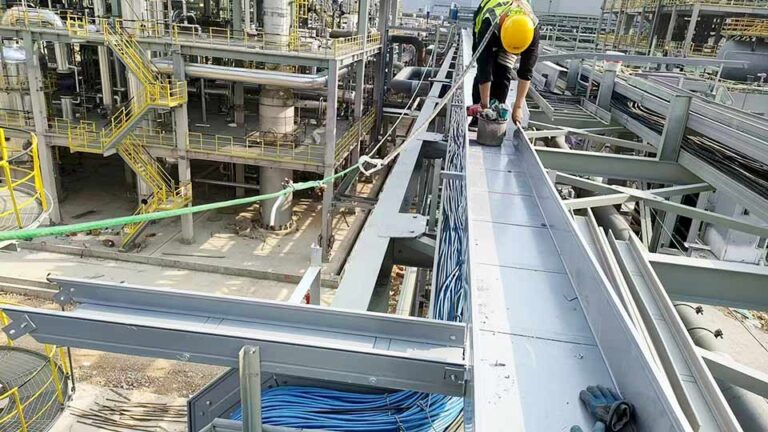
Industrial facilities rely heavily on organized and reliable electrical systems. Proper cable management ensures safety, efficiency, and ease of maintenance. Industrial cable trays provide the backbone for routing power, control, and data cables in factories, warehouses, chemical plants, and power plants. Selecting the right cable tray solution reduces downtime, protects cables from damage, and supports scalability for future expansions.
Modern industrial cable trays are available in various materials, including stainless steel, galvanized steel, FRP, and polymers. Each material provides unique advantages depending on the facility’s environment, load requirements, and regulatory compliance.

Benefits of Industrial Cable Trays
- Organized Cable Routing: Keeps cables neatly arranged and accessible for maintenance.
- Durability: Designed to withstand industrial hazards, including mechanical impact, vibration, and temperature fluctuations.
- Safety: Reduces fire risks, trip hazards, and cable damage.
- Flexibility: Modular systems accommodate complex layouts and future expansions.
- Cost-Efficiency: Long-term reduction in maintenance costs and downtime.
Types of Industrial Cable Trays
Ladder Cable Tray
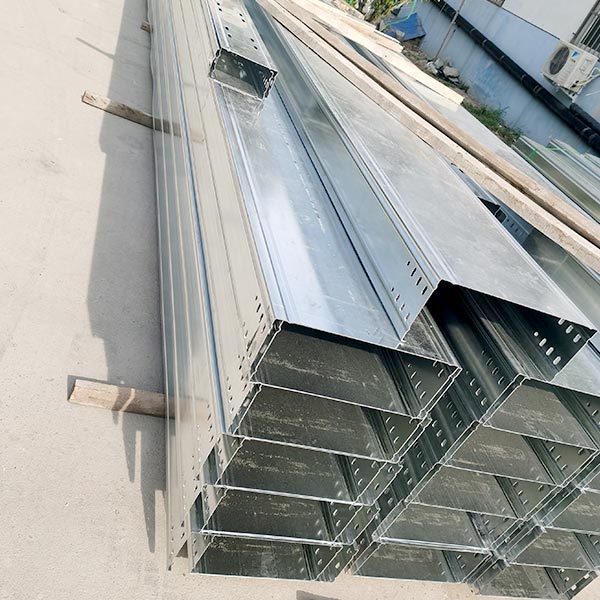
Provides excellent ventilation for power cables, reducing heat buildup. Suitable for high-load applications and heavy industrial machinery.
Perforated Cable Tray
Offers ventilation and drainage while preventing debris accumulation. Ideal for environments where air circulation and safety are crucial.
Solid-Bottom Cable Tray
Protects delicate instrumentation and control cables from dust, moisture, and mechanical damage. Suitable for indoor industrial areas.
Channel Cable Tray
Compact design for branch circuits or instrumentation wiring. Useful in control panels, light-duty installations, or limited spaces.
Material Comparison for Industrial Applications
Choosing the right material depends on the facility environment, load requirements, and maintenance capabilities:
| Material | Corrosion Resistance | Load Capacity | Maintenance | Best Applications |
|---|---|---|---|---|
| Stainless Steel | High | High | Low | Chemical, offshore, and high-humidity areas |
| Galvanized Steel | Medium | High | Medium | Dry indoor or semi-protected areas |
| FRP | Excellent | Medium | Low | Corrosive or wet environments, lightweight installations |
| Polymer Composite | High | Medium | Low | Light-duty industrial, outdoor, or humid conditions |
Installation Guidelines
Proper installation ensures the longevity and safety of industrial cable trays:
- Ensure proper support spacing based on cable weight and tray type.
- Use compatible clamps and fasteners to prevent mechanical failure.
- Segregate power and control/data cables to reduce interference.
- Plan for future expansion and modular connections.
- Inspect periodically for mechanical damage, corrosion, or loose fittings.
Applications of Industrial Cable Trays
- Manufacturing Plants: Heavy-duty trays support high-power machinery cables.
- Chemical and Petrochemical Facilities: Corrosion-resistant trays protect cables from aggressive chemicals.
- Power Plants and Utilities: Support high-voltage and control systems safely.
- Warehouses and Distribution Centers: Organize network and control wiring efficiently.
- Renewable Energy Facilities: Trays for solar and wind installations optimize cable routing and safety.
Choosing the Right Industrial Cable Tray
When selecting an industrial cable tray, consider:
- Load Requirements: Determine the type and weight of cables to be supported.
- Environmental Exposure: Choose materials resistant to moisture, chemicals, or temperature variations.
- Fire and Safety Regulations: Ensure compliance with local and international standards.
- Future Expansion Needs: Modular trays allow for scalable installations.
Selecting the right industrial cable tray ensures operational efficiency, safety, and long-term durability.
FAQ
1. What type of industrial cable tray is best for high-power applications?
Ladder trays made from stainless steel or galvanized steel are preferred for heavy power cables.
2. Can industrial cable trays be used in corrosive environments?
Yes, FRP and stainless steel trays provide excellent corrosion resistance.
3. How often should industrial cable trays be inspected?
Regular inspections every 6–12 months are recommended based on usage and environmental conditions.
4. Are polymer cable trays suitable for industrial use?
Yes, reinforced polymer trays are ideal for light to medium loads in humid or outdoor environments.
5. Do industrial cable trays require grounding?
Metal trays should be grounded; polymer and FRP trays are non-conductive and do not require grounding.
Conclusion
Industrial cable trays provide a safe, efficient, and scalable solution for routing electrical cables in modern facilities. By selecting the appropriate type, material, and installation method, you can ensure long-term operational efficiency, safety, and reduced maintenance costs. Investing in the right industrial cable tray solution protects critical electrical infrastructure and supports future growth.
Need Help Choosing the Right Industrial Cable Tray?
If you’re unsure which industrial cable tray suits your facility or project, our experts are ready to assist. Contact us today for a personalized consultation and ensure your electrical systems are organized, safe, and reliable. Don’t wait—upgrade your cable management system now!