
Introduction
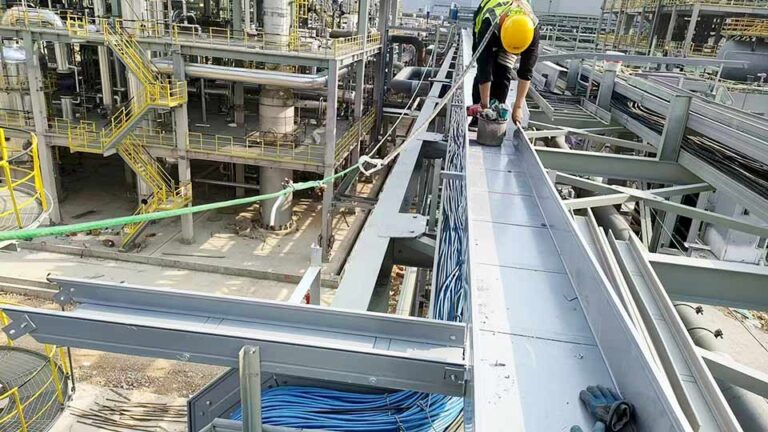
Industrial facilities require robust and reliable cable management systems to ensure safety, efficiency, and long-term performance. With the growing complexity of power distribution, control systems, and communication networks, selecting the right industrial cable tray solution has never been more important. From chemical plants to manufacturing floors, industrial cable tray solutions support critical operations while reducing installation costs, maintenance needs, and downtime.
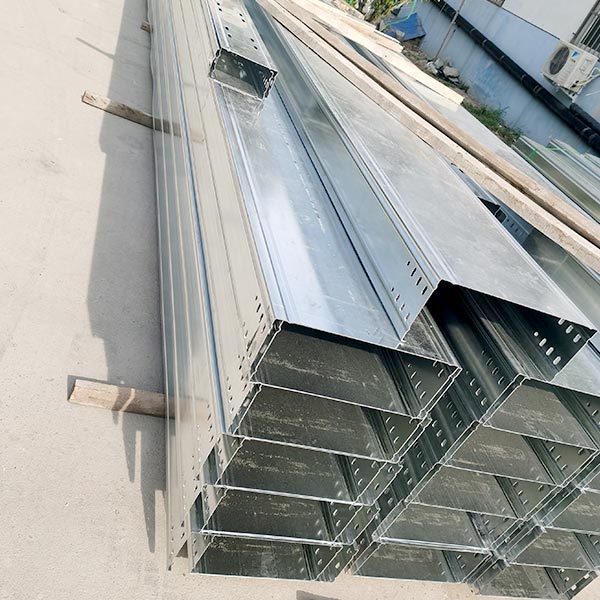
These systems provide structural support for electrical cables, maintain proper ventilation, and protect sensitive wiring from mechanical damage and environmental hazards. Modern industrial cable trays come in a variety of materials, including galvanized steel, stainless steel, FRP, and polymer composites, each designed for specific industrial environments and load requirements.
Key Benefits of Industrial Cable Tray Solutions
Industrial cable tray solutions offer multiple advantages over traditional conduit systems. Some of the primary benefits include:
- Ease of Installation: Cable trays reduce labor costs by simplifying cable routing and allowing for easier adjustments or expansions.
- Improved Cable Organization: Clearly structured paths for power, control, and data cables improve accessibility and reduce the risk of interference.
- Enhanced Safety: Industrial cable trays protect cables from accidental mechanical damage, fire hazards, and environmental exposure.
- Reduced Maintenance: Corrosion-resistant materials like FRP and stainless steel minimize the need for frequent inspection and replacement.
- Scalability: Modular designs allow industrial systems to expand over time without extensive rework.
Types of Industrial Cable Tray Solutions
Industrial cable tray systems are categorized based on design, material, and application. Choosing the correct type is essential for both performance and compliance.
Ladder Cable Tray
Ladder trays are widely used in industrial plants due to their open design, which ensures maximum ventilation for high-power cables and heat-sensitive equipment.
Solid-Bottom Cable Tray
Used primarily in areas requiring additional mechanical protection or where fine dust and debris may fall onto the cables. Solid-bottom trays provide enhanced safety for sensitive cabling.
Perforated Cable Tray
Combining protection with ventilation, perforated trays allow air circulation while preventing small objects from entering. Ideal for low- to medium-voltage cable runs in indoor industrial settings.
Channel Cable Tray
Channel trays are ideal for shorter runs, branch circuits, or instrumentation cabling. Their compact design fits into tight spaces while maintaining organized routing.
Material Selection for Industrial Environments
Material choice depends on environmental exposure, load requirements, and maintenance preferences. Below is a comparison of common industrial cable tray materials:
| Material | Corrosion Resistance | Load Capacity | Maintenance | Best Use Environment |
|---|---|---|---|---|
| Galvanized Steel | Medium | High | Medium | Indoor, dry industrial areas |
| Stainless Steel | Excellent | High | Low | Corrosive or chemical environments |
| FRP (Fiberglass Reinforced Plastic) | Excellent | Medium-High | Very Low | High humidity, chemical plants, outdoor areas |
| Polymer Composite | High | Medium | Low | Light industrial, low-weight applications |
Selecting the right material ensures longevity, reduces downtime, and maintains the efficiency of the industrial electrical system.
Installation and Maintenance Guidelines
Proper installation is crucial for the safety and longevity of industrial cable trays. Key considerations include:
- Support Spacing: Follow manufacturer and code recommendations to avoid excessive deflection and stress on cables.
- Expansion and Contraction: Account for temperature changes in long runs, particularly with metal trays.
- Fasteners and Clamps: Use corrosion-resistant hardware suitable for the tray material.
- Cable Segregation: Separate power and control or data cables to reduce electromagnetic interference.
- Regular Inspections: Ensure trays remain free of debris, corrosion, or mechanical damage.
Following these guidelines minimizes maintenance costs, prolongs service life, and ensures safe operation.
Applications of Industrial Cable Tray Solutions
Industrial cable trays are used across a wide range of sectors, including:
- Manufacturing Facilities: Support heavy machinery power cables and control systems.
- Chemical Plants: Provide corrosion-resistant routing for electrical and instrumentation cables.
- Power Plants: Ensure safe distribution of high-voltage lines and protect critical energy infrastructure.
- Food and Beverage Industry: Maintain hygienic and organized cable routes in processing areas.
- Warehousing and Logistics Centers: Enable scalable cable management for automation and monitoring systems.
Safety and Compliance
Industrial cable trays must comply with local and international standards, including IEC, NEMA, and ASTM requirements. Fire-resistant materials and proper installation practices reduce the risk of electrical hazards, while adherence to load and spacing guidelines ensures structural integrity.

Choosing the Right Industrial Cable Tray
When selecting an industrial cable tray system, consider the following factors:
- Cable Load and Type: Power, control, or data cables have different weight and thermal requirements.
- Environmental Exposure: Humidity, chemicals, and outdoor conditions influence material choice.
- Future Expansion: Modular systems allow for future cable additions without rework.
- Budget and Maintenance: Consider lifecycle costs, not just initial purchase price.
Making the right choice helps reduce downtime, improve system efficiency, and provide a safe working environment.
Conclusion
Industrial cable tray solutions are essential for modern facilities that demand reliable, safe, and scalable electrical systems. By selecting the appropriate tray type, material, and installation method, industries can minimize maintenance, protect critical cables, and ensure long-term operational efficiency. Whether you manage a chemical plant, manufacturing facility, or power distribution system, investing in quality industrial cable tray solutions is a smart decision for safety, productivity, and cost-effectiveness.
FAQ
What is the main advantage of using industrial cable trays over conduits?
Industrial cable trays provide easier installation, better cable organization, and reduced maintenance.
Which material is best for chemical plants?
Stainless steel or FRP trays are recommended for highly corrosive environments.
Can industrial cable trays handle high-voltage power cables?
Yes, ladder-type trays with appropriate load ratings can support heavy and high-voltage cables safely.
How often should cable trays be inspected?
Regular inspection every 6–12 months is recommended, depending on environmental conditions and usage.
Are industrial cable trays suitable for outdoor use?
Yes, materials like FRP and stainless steel provide excellent corrosion and UV resistance for outdoor installations.
Need Help Choosing the Right Industrial Cable Tray System?
If you’re unsure which cable tray solution fits your facility’s needs, our experts are here to provide guidance. Contact us today for a personalized consultation and ensure your electrical infrastructure is safe, organized, and efficient. Don’t wait until problems arise—get in touch now to optimize your industrial cable management!