Table of Contents
Introduction
In today’s demanding industrial and commercial environments, choosing the right galvanized cable tray is critical for long-term safety and performance. Cable trays form the backbone of any electrical distribution system, supporting and protecting cables across factories, plants, and infrastructure projects. Among all materials available, galvanized steel cable trays stand out due to their strength, corrosion resistance, and cost-effectiveness. This article explores their benefits, technical characteristics, and how to select the right type for your application.

Why Galvanized Cable Trays Are Preferred
The popularity of galvanized cable trays comes from their ability to perform reliably in harsh and humid environments. Galvanization involves coating steel with a protective layer of zinc, preventing rust and oxidation even when exposed to moisture.
According to the International Zinc Association, hot-dip galvanized steel can last over 50 years in rural or indoor environments and 20–30 years in industrial conditions. This makes it a cost-effective choice for cable management systems requiring long service life with minimal maintenance.
Key benefits include:
- Corrosion and weather resistance, ideal for outdoor installations
- Strong load-bearing capacity for heavy electrical cables
- Low maintenance costs, reducing operational expenses
- Compatibility with accessories like clamps, bends, and couplers
Common Types of Galvanized Cable Trays
Understanding the various types of galvanized trays helps ensure you choose the right model for your project’s needs.
| Type | Description | Ideal Application |
|---|---|---|
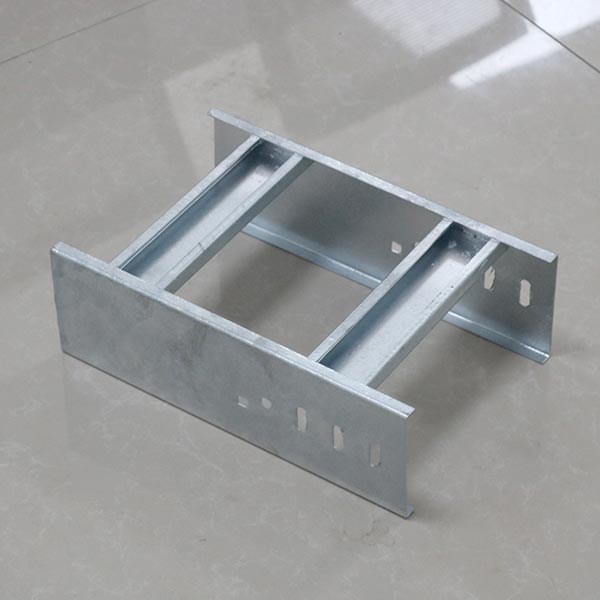
| Galvanized Ladder Cable Tray | Open design with rungs for air circulation and easy cable routing | Industrial plants, data centers |
| Galvanized Perforated Cable Tray | Ventilated base with slots for moderate heat dissipation | Commercial and light industrial facilities |
| Hot-Dip Galvanized Steel Tray | Fully coated with zinc after fabrication for superior corrosion resistance | Outdoor and marine environments |
| Pre-Galvanized Channel Cable Tray | Formed from galvanized sheet metal before bending | Indoor use or less aggressive atmospheres |
Each type provides different levels of durability and airflow management, so selection depends on environmental exposure and cable density.
Applications in Industrial Projects
Galvanized cable trays are essential in sectors such as:
- Manufacturing facilities, where multiple power and data cables run overhead
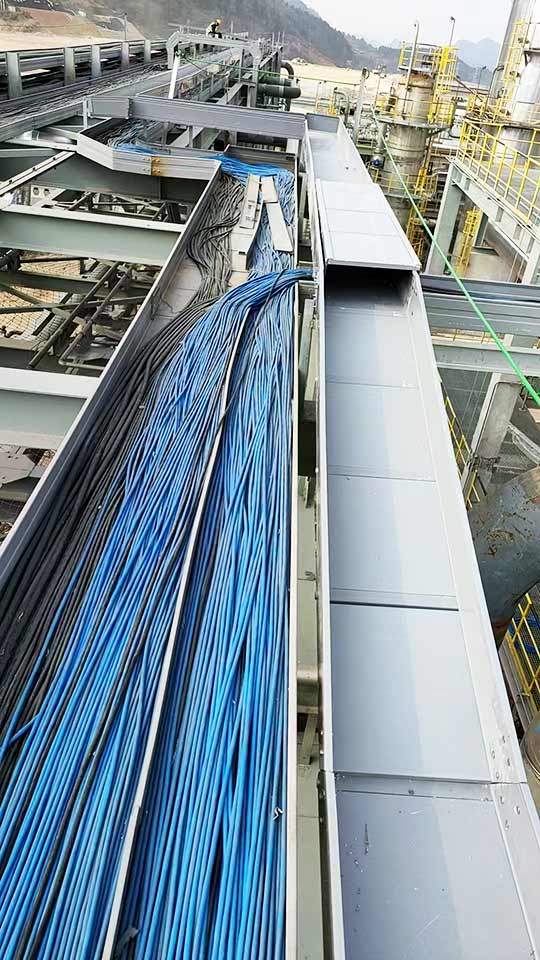
- Oil, gas, and chemical plants, which require fire-resistant and corrosion-proof systems
- Transportation infrastructure, including tunnels and bridges exposed to moisture
- Commercial buildings, providing clean and organized electrical routing
In large-scale installations, the galvanized ladder cable tray is often favored due to its robust structure and excellent ventilation, preventing heat buildup in power cables.
Technical Parameters to Consider
Before selecting a tray system, it’s crucial to evaluate key parameters based on your installation requirements.
| Parameter | Specification Range | Engineering Note |
|---|---|---|
| Width | 50–900 mm | Determines cable capacity |
| Height | 25–150 mm | Impacts rigidity and load strength |
| Thickness | 1.0–2.5 mm | Affects overall strength and weight |
| Material | Hot-dip or pre-galvanized steel | Choose based on corrosion exposure |
| Load Class | Light to Extra Heavy Duty | Match to cable type and span length |
Selecting the right dimensions ensures optimal support and long-term performance.
Installation and Maintenance Tips
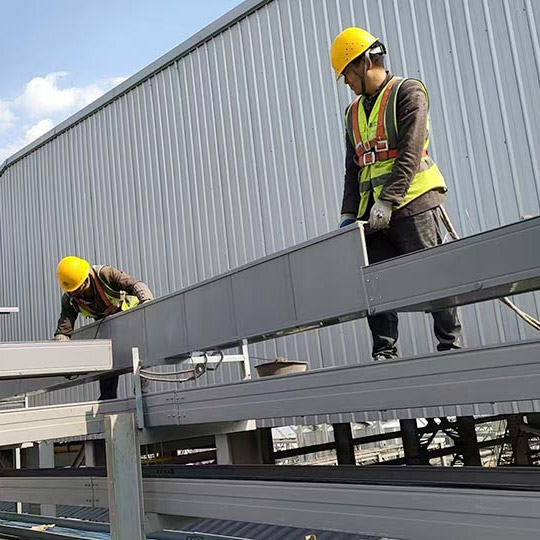
Proper installation enhances both safety and longevity. Ensure trays are securely fastened with cable tray clamps, support brackets, and hold-down accessories to prevent vibration and movement. For outdoor projects, always use hot-dip galvanized fasteners to maintain system uniformity.
Periodic inspection is also key—check for signs of corrosion or loose fittings annually. Cleaning with mild detergents and applying zinc-rich coatings on any scratches can extend lifespan further.
Sustainability and Long-Term Value
Galvanized trays not only provide durability but also contribute to sustainable infrastructure. The galvanization process is recyclable, and zinc can be recovered without loss of quality. Over a system’s lifetime, the lower need for maintenance and replacement minimizes environmental impact, aligning with modern sustainability goals.
Conclusion
Choosing a galvanized cable tray is an investment in safety, reliability, and efficiency. Its corrosion resistance, high strength, and cost-effectiveness make it one of the best options for both indoor and outdoor electrical installations. Whether you need a galvanized ladder cable tray for industrial projects or a perforated type for commercial use, Yidian provides high-quality solutions tailored to your needs.
Take the next step today—contact Yidian to discuss your project specifications and get expert guidance on the perfect galvanized cable tray system for your electrical infrastructure.
FAQ
What is the difference between hot-dip and pre-galvanized cable trays?
Hot-dip trays are coated after fabrication for maximum protection, while pre-galvanized trays are made from pre-coated steel, suitable for indoor environments.
How long does a galvanized cable tray last?
Depending on environmental exposure, a high-quality galvanized cable tray can last from 25 to 50 years with minimal maintenance.
Can galvanized trays be used outdoors?
Yes, hot-dip galvanized trays are ideal for outdoor or coastal applications due to superior corrosion resistance.
Are galvanized cable trays fire-resistant?
While not inherently fireproof, galvanized steel has a high melting point and performs well under fire-rated systems when installed correctly.
Does Yidian offer custom sizes or configurations?
Yes, Yidian provides customized tray sizes, finishes, and load capacities to match your project’s exact specifications.