Table of Contents
Introduction
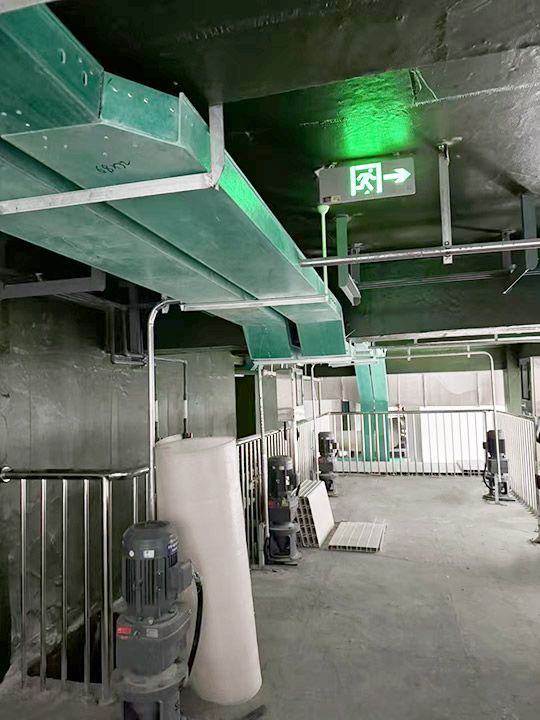
As industrial facilities grow more complex, selecting the right cable support system becomes a critical engineering decision. An FRP cable tray solution offers a durable, corrosion-resistant, and lightweight alternative to traditional steel trays, making it ideal for harsh environments and long-span installations. With excellent electrical insulation, chemical stability, and long service life, FRP cable trays are becoming a preferred choice in chemical plants, power distribution systems, water treatment projects, offshore platforms, and infrastructure construction.
Why FRP Cable Trays Have Become a Preferred Solution
FRP, or fiber reinforced plastic, is designed to outperform conventional metallic trays in environments where corrosion, moisture, and electrical interference are major concerns. According to published technical data from global composite associations, FRP products can maintain structural performance for more than 30 years under continuous exposure to corrosive media. This durability gives companies a reliable low-maintenance cable support option.
Key advantages include:
• Excellent corrosion and chemical resistance
• Lightweight but strong enough for industrial cable loads
• Thermal and electrical insulation for improved safety
• Long service life with minimal maintenance
• Non-magnetic properties that prevent signal interference
These attributes make an FRP cable tray solution suitable for environments where galvanized, aluminum, or stainless steel trays may degrade more quickly.
Common Types of FRP Cable Trays
To meet different engineering needs, several FRP tray styles are commonly used:
| FRP Tray Type | Characteristics | Typical Applications |
|---|---|---|
| FRP Ladder Cable Tray | Maximum ventilation and high load capacity | Power stations, manufacturing lines |
| FRP Perforated Cable Tray | Moderate ventilation and cable protection | Commercial electrical rooms |
| FRP Solid Bottom Tray | Offers full cable protection | Data cabling, instrumentation lines |
| FRP Channel Cable Tray | Slim, lightweight support | Wall-mounted indoor runs |
| FRP Wire Mesh Tray | Flexible routing capabilities | Automation systems and light-duty cable runs |
Having the right tray style ensures proper cable routing, heat dissipation, and long-term system stability.
Engineering Parameters for Selecting the Right FRP Cable Tray Solution
When designing your cable management system, consider these technical specifications:
| Parameter | Typical Range | Engineering Consideration |
|---|---|---|
| Width | 50–900 mm | Determines cable quantity and spacing |
| Height | 25–150 mm | Impacts load performance |
| Thickness | 3–6 mm | Affects overall strength |
| Resin Type | Polyester, Vinyl Ester, Phenolic | Choose based on corrosion level |
| Load Rating | Light – Heavy Duty | Match to span and cable density |
| Working Temperature | -40°C to 120°C | Depends on resin and fiber grade |
High-corrosion areas, such as chemical plants or coastal regions, often benefit from vinyl ester resin due to its superior resistance.
Where an FRP Cable Tray Solution Works Best
FRP cable trays are widely adopted across industrial and commercial sectors, especially in harsh environments. You’ll commonly find them in:
• Chemical processing plants with strong acids, alkalis, or solvents
• Water treatment facilities exposed to moisture and corrosive gas
• Offshore drilling platforms where saltwater and humidity are constant
• Battery rooms and substations requiring nonconductive materials
• Mining and tunnel projects where lightweight installation is essential
• Infrastructure and utility corridors with long overhead spans
Their low weight reduces labor time, and their corrosion resistance significantly lowers long-term maintenance costs.
Installation Tips for Better Performance
To maximize the lifespan and performance of your FRP cable tray solution:
• Use FRP supports, brackets, and splices to maintain full corrosion resistance
• Avoid mixing FRP with non-compatible metals that may accelerate corrosion
• Ensure proper cable spacing for ventilation
• Conduct periodic visual inspection for cracks or UV aging
• Use factory-recommended clamps, fasteners, and fittings
Proper installation ensures structural stability and maintains electrical safety across your facility.
Sustainability and Long-Term Value
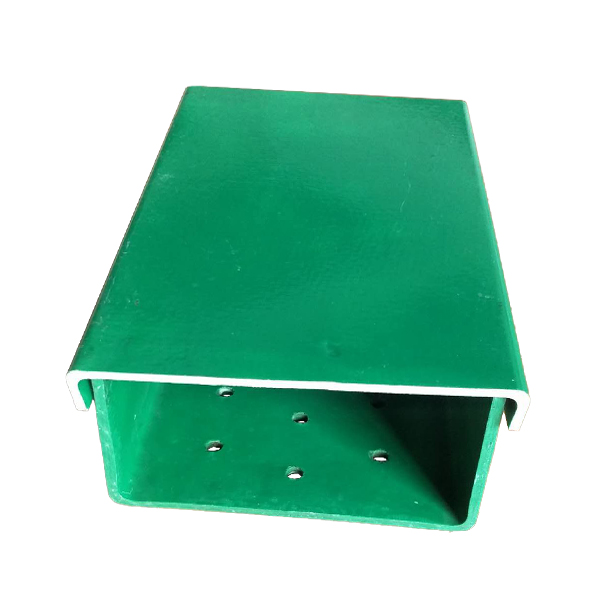
FRP cable trays are recognized for their long lifecycle and minimal need for replacement. Their reduced maintenance, lighter weight (resulting in lower transportation costs), and corrosion-free performance make them a sustainable alternative in modern engineering projects.
Conclusion
An FRP cable tray solution offers a powerful combination of durability, corrosion resistance, electrical insulation, and lifecycle cost savings. Whether you are designing a new facility or upgrading an existing infrastructure, FRP trays deliver consistent performance across aggressive environments where traditional materials may fail. If you need support choosing the right dimensions, resin type, or configuration, contact our team for expert recommendations tailored to your project.
FAQ
What environments are FRP cable trays best suited for?
They perform exceptionally in corrosive, humid, chemical, or coastal environments where metallic trays degrade faster.
Are FRP trays strong enough for heavy industrial cables?
Yes. With the correct resin and fiber reinforcement, FRP trays support heavy-duty loads comparable to many steel systems.
Do FRP cable trays require grounding?
No. FRP is nonconductive, eliminating the need for grounding in most installations.
Can FRP trays be used outdoors?
Yes. UV-stable formulations and protective coatings make them suitable for long-term outdoor exposure.