Table of Contents
Introduction
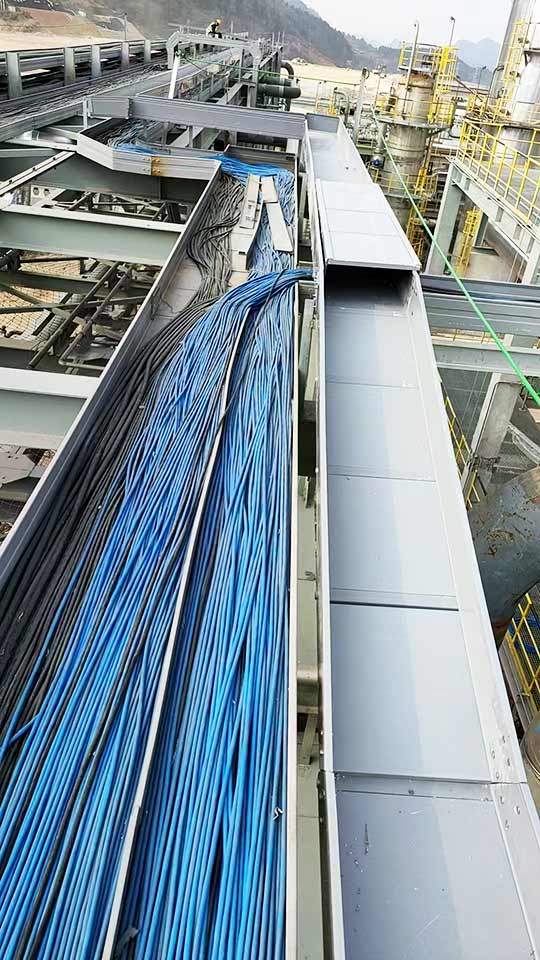
In modern industrial and commercial electrical networks, fireproof cable trays have become a critical component of safe, durable, and compliant cable management systems. Electrical fires are one of the most common causes of infrastructure damage and downtime. A properly designed fireproof cable management system helps contain heat, prevent flame propagation, and maintain power continuity in high-temperature environments.
Recent studies from industry sources such as MarketsandMarkets (2024) indicate that global demand for fire-resistant electrical systems is growing at a compound annual rate of over 7%, driven by safety regulations and rapid industrialization. This makes investing in high-quality fireproof cable trays not only a compliance decision but also a strategic move for long-term operational reliability.
Why Fireproof Cable Trays Are Crucial for Modern Infrastructure

When an electrical fire occurs, the first few minutes are critical. Standard trays made of untreated steel or plastic may deform, collapse, or even accelerate flame spread. In contrast, fireproof cable trays are built from heat-resistant metals, coatings, or composites that protect cables and circuits even under extreme conditions.
These systems are especially vital in industries like:
- Power generation and substations
- Petrochemical and refinery facilities
- Transportation and tunnel projects
- Data centers and server rooms
- Manufacturing and logistics warehouses
By maintaining circuit integrity and structural stability, fireproof trays reduce system downtime and enable safe evacuation or controlled shutdown in the event of an emergency.
Common Materials and Their Fire Resistance Properties
Choosing the right material is central to achieving effective fire protection. Below is a comparative table of the most common fireproof cable tray materials and their performance attributes:
| Material | Temperature Resistance | Key Properties | Best Use Cases |
|---|---|---|---|
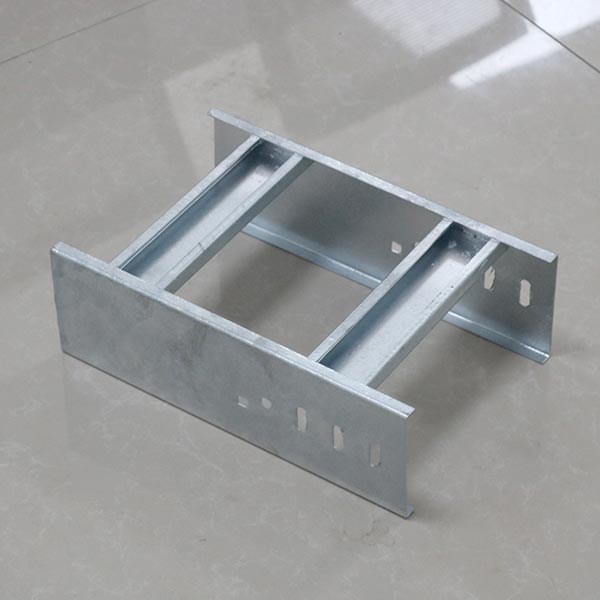
| Galvanized Ladder Cable Tray | Up to 600°C | High strength, affordable, easy to install | Industrial plants, factories |
| Stainless Steel Cable Tray | Up to 1000°C | Excellent corrosion and fire resistance | Chemical, marine, and cleanroom environments |
| FRP (Fiberglass Reinforced Plastic) Cable Tray | Up to 800°C | Lightweight, non-conductive, anti-corrosive | Coastal or humid outdoor areas |
| Ceramic-Coated Steel Cable Tray | 1000°C+ | Ultimate fire endurance, stable under prolonged heat | Power stations, tunnels, energy facilities |
Each material type offers a distinct balance of cost, mechanical strength, and fire resistance. For environments with prolonged fire exposure, stainless steel cable trays or ceramic-coated trays are the most reliable options.
Industry Standards and Fireproof Certifications
Compliance with recognized fire resistance standards ensures that cable trays can maintain functionality and structural integrity under defined heat exposure. Some of the most important certifications include:
- IEC 61537 — Standard for cable tray and ladder systems used in electrical installations.
- UL 568 — Specifies fire resistance for cable management systems.
- BS 8496 — Tests cable trays and trunking under simulated fire conditions.
- ISO 834-1 — Defines fire resistance testing procedures.
High-quality fireproof cable trays undergo rigorous testing to ensure they can resist temperatures exceeding 1000°C for specific durations, often ranging from 30 minutes to 2 hours depending on the fire scenario.

Design Features That Enhance Fire Resistance
The design of a fireproof cable tray system extends beyond just materials. Advanced structural engineering features help further improve fire resistance and safety.
Key design features include:
- Ventilation slots to control heat buildup and reduce flame spread.
- Heat-resistant coatings that prevent oxidation and corrosion under fire exposure.
- Reinforced rungs and side rails that maintain load-bearing capacity even when exposed to extreme temperatures.
- Fire-stop barriers and dividers that limit the spread of flames between cable groups.
Additionally, using compatible fireproof cable tray accessories—such as hold-down clamps, conduit clamps, and fastening systems—ensures the entire installation maintains its fire rating.
Proper Installation for Maximum Fire Protection
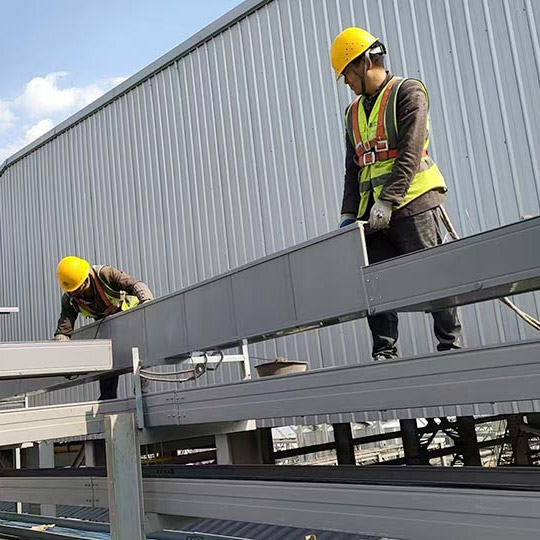
A high-quality product can only perform as intended if properly installed. During installation, it’s crucial to:
- Maintain sufficient clearance between trays and combustible surfaces.
- Use only certified fireproof hold-down clamps and fasteners.
- Seal penetrations through walls or ceilings with fire-resistant compounds.
- Avoid mixing non-rated accessories with fire-rated trays.
Poor installation can reduce a system’s fire rating by up to 50%, according to testing data from electrical safety agencies.
Comparison: Fireproof vs. Standard Cable Tray Systems
| Feature | Standard Cable Tray | Fireproof Cable Tray |
|---|---|---|
| Fire Resistance | Low to moderate | High (up to 1000°C) |
| Corrosion Resistance | Varies by coating | High (especially stainless steel and FRP) |
| Cost | Lower initial | Higher, but long-term savings |
| Durability | Moderate | Excellent under heat and chemical exposure |
| Code Compliance | General | Meets international fire safety standards |
The investment in a fireproof system often pays off in reduced maintenance, fewer cable failures, and extended service life.

Cost and Value Analysis
While fireproof cable trays may require a slightly higher initial investment compared to standard models, the total lifecycle cost is significantly lower. Fire damage can result in millions in losses, not to mention downtime and safety risks. Fire-rated systems reduce the risk of such events, ensuring long-term reliability.
According to recent industry research, facilities that upgraded to fireproof cable tray systems saw a 40% reduction in cable replacement costs and a 25% improvement in system uptime.
Application Scenarios
Fireproof trays are widely used in:
- Data centers, where uninterrupted power supply is critical.
- Substations and energy plants, to ensure circuit integrity during fire exposure.
- Public infrastructure, such as airports and tunnels, to support emergency evacuation systems.
- Marine and offshore facilities, where fire and corrosion risks coexist.
For outdoor environments, combining fireproof stainless steel trays with weather-resistant coatings ensures maximum durability and safety.
Conclusion
A fireproof cable tray isn’t just a piece of hardware—it’s a vital part of a building or industrial facility’s fire defense strategy. By choosing high-quality, certified, and properly installed trays, you can protect both infrastructure and human life from devastating fire hazards.
If you’re planning a new project or upgrading your existing electrical system, contact Yidian today. Our experts provide tailor-made fireproof cable management solutions with premium materials, precise engineering, and full compliance with international standards.
FAQ
What’s the difference between fireproof and fire-resistant cable trays?
Fireproof trays are designed to withstand extreme heat and direct fire exposure, while fire-resistant trays delay damage but may not survive long-term flame contact.
Are fireproof cable trays mandatory in all installations?
Not all, but they are strongly recommended and often required in high-risk environments such as tunnels, energy facilities, and data centers.
How do I select the right type for my project?
Consider fire duration requirements, installation environment, and load capacity. Yidian offers full customization options.
Can I combine fireproof cable trays with other materials?
Yes, hybrid systems are possible, but all components—including clamps and supports—must share the same fire rating.
Do Yidian fireproof cable trays comply with international standards?
Yes, all Yidian products are manufactured under strict ISO and IEC certifications, ensuring global compliance and reliability.