Table of Contents
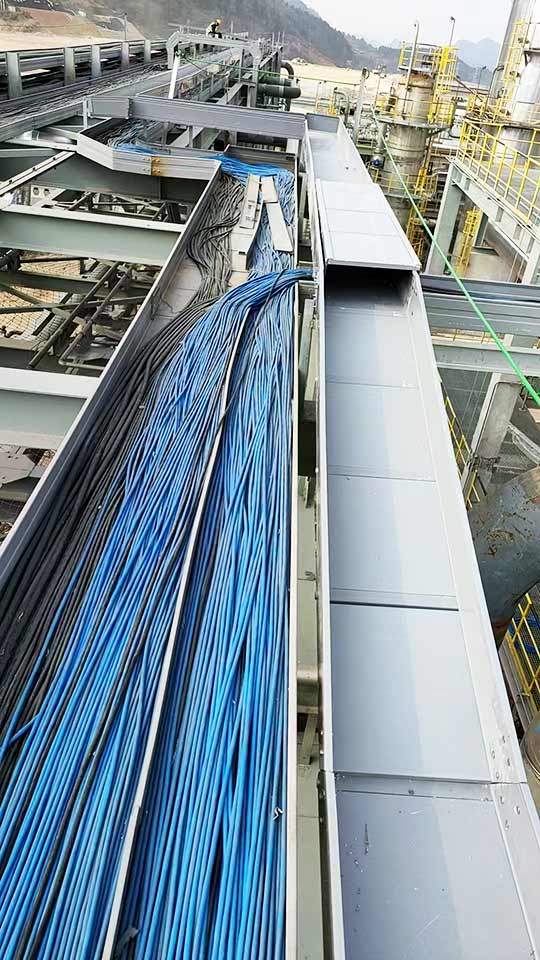
Modern industrial projects require cable management systems that can withstand harsh conditions while maintaining long-term reliability. Fiberglass-based cable tray systems have become a widely adopted solution thanks to their durability, corrosion resistance, and low maintenance requirements.
As a professional manufacturer, we supply factory-direct cable tray solutions designed for industrial, commercial, and infrastructure applications worldwide. This guide explains product types, technical specifications, application scenarios, and key purchasing considerations to help you select the right system for your project.
What Is a Fiberglass Cable Tray?

A fiberglass cable tray is a cable support system manufactured from fiberglass-reinforced plastic (FRP or GRP). It is designed to route and protect electrical and control cables in demanding industrial environments.
These systems are produced using high-strength fiberglass and resin through pultrusion or molding processes, resulting in a structure that combines mechanical strength with lightweight performance. Compared with traditional metal trays, FRP-based systems offer superior resistance to corrosion and chemical exposure, making them suitable for long-term use in harsh conditions.
Key Advantages of Fiberglass Cable Tray Systems
Cable tray systems made from fiberglass offer several advantages over conventional metal alternatives:
- Strong resistance to corrosion, moisture, and chemicals
- Lightweight structure that simplifies handling and installation
- High strength-to-weight ratio for reliable cable support
- Non-conductive material properties that improve electrical safety
- Long service life with minimal maintenance requirements
These characteristics help reduce downtime and total ownership costs over the lifetime of the installation.
Fiberglass Cable Tray Types and Configurations
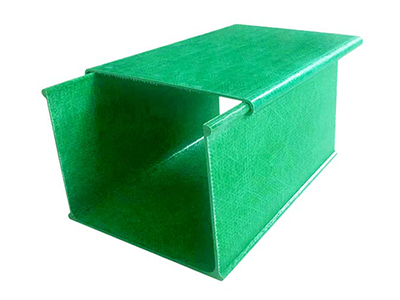
Different configurations are available to meet varying cable routing requirements:
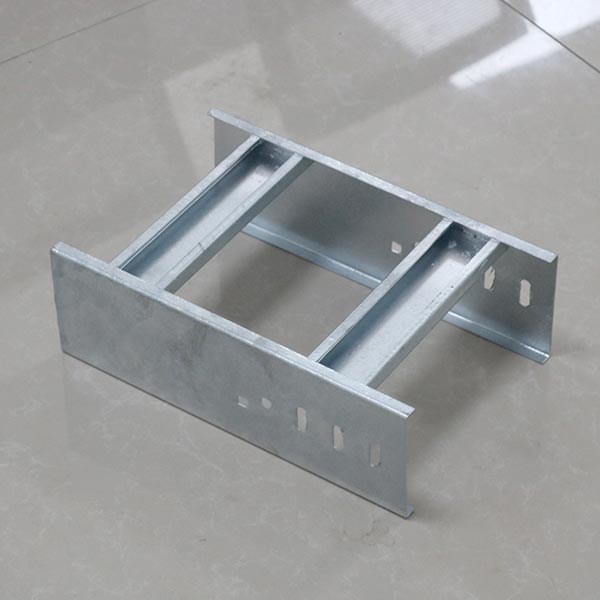
Ladder Type Cable Tray
Designed for power and heavy-duty cables where ventilation and heat dissipation are important.
Solid Bottom Cable Tray
Provides enhanced protection against dust, dripping liquids, and falling debris.
Perforated Cable Tray
Offers a balance between airflow and cable protection, often used for control or instrumentation wiring.
Custom Cable Tray Designs
As a factory supplier, we provide tailored designs based on project load, layout, and environmental conditions.
Fiberglass Cable Tray Specifications and Technical Details
Proper specification selection ensures safety and long-term performance. Key technical factors include tray width, side rail height, thickness, load rating, and support span.
| Specification Item | Typical Range |
|---|---|
| Tray Width | 100 mm – 900 mm |
| Side Rail Height | 50 mm – 150 mm |
| Standard Length | 3 m / 4 m / Custom |
| Load Rating | Medium to Heavy Duty |
| Material | FRP / GRP |
| Surface Finish | UV- and corrosion-resistant |
All specifications can be adjusted to meet project requirements and applicable international standards.
Fiberglass Cable Tray vs Steel Cable Tray
When comparing fiberglass-based systems with steel cable trays, the differences become clear. Steel trays are heavier and more susceptible to corrosion, often requiring coatings and ongoing maintenance. In contrast, FRP trays are lightweight, non-corrosive, and electrically non-conductive.
While steel may appear cost-effective initially, fiberglass systems typically deliver lower lifecycle costs due to reduced maintenance and longer service life.
Industrial Applications of Fiberglass Cable Tray

These cable support systems are widely used in industries where environmental resistance and durability are critical:
- Chemical processing facilities
- Oil and gas installations
- Offshore platforms and marine environments
- Power generation and utility projects
- Wastewater treatment plants
- Mining and heavy industrial sites
Their performance in aggressive environments makes them a reliable choice for industrial cable management.
Fiberglass Cable Tray Installation and Maintenance Guide
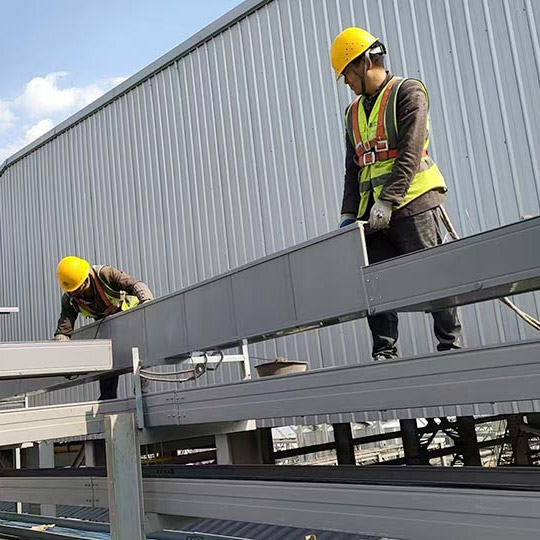
Installation is straightforward due to the lightweight nature of fiberglass components. Proper support spacing and secure mounting are essential to achieve rated load performance.
Field adjustments such as cutting or drilling can be carried out using standard tools. Ongoing maintenance is minimal, typically limited to routine inspections, as fiberglass materials do not rust or degrade like metal.
Standards, Certifications, and Compliance
High-quality cable tray systems are manufactured in accordance with recognized international standards such as IEC, ASTM, and NEMA. Compliance with fire resistance, mechanical strength, and safety requirements is essential for industrial projects.
As a manufacturer, we apply strict quality control procedures throughout production to ensure consistent performance and compliance.
How to Choose the Right Fiberglass Cable Tray Manufacturer

Selecting the right supplier plays a key role in project success. Important factors to consider include manufacturing capability, customization options, material testing, lead time, and export experience.
Working directly with a manufacturer ensures better cost control, consistent quality, and reliable technical support throughout the project lifecycle.
Why Choose Our Fiberglass Cable Tray Solutions
We provide factory-direct solutions designed to meet the demands of industrial cable management:
- Competitive pricing without intermediaries
- Custom-engineered systems based on project needs
- Consistent quality through strict manufacturing control
- Global delivery capability and professional technical support
Our goal is to deliver reliable, long-term cable support solutions for demanding environments.
FAQs About Fiberglass Cable Tray
How long does the system last?
With proper installation, fiberglass cable tray systems can perform reliably for decades.
Is it suitable for outdoor installation?
Yes. UV-resistant materials allow stable performance in outdoor environments.
Can the system be customized?
Custom sizes, load ratings, and accessories are available to meet specific project requirements.
What is the lead time for bulk orders?
Lead time varies by order size and customization level. Please contact us for accurate scheduling.
Conclusion
Fiberglass-based cable tray systems offer a durable and cost-effective solution for modern industrial cable management, particularly in corrosive, outdoor, and high-demand environments. Their lightweight design, long service life, and low maintenance requirements make them a strong alternative to traditional metal trays.
As an experienced fiberglass cable tray manufacturer, we supply factory-direct products, customized designs, and professional technical support for global projects. If you are planning a new installation or upgrading an existing system, choosing a reliable manufacturer is key to long-term performance and cost efficiency.
Contact us today to discuss your project requirements and request a tailored solution.
Need Help Choosing the Right Fiberglass Cable Tray?
If you’re unsure which fiberglass cable tray system is best for your project or installation environment, our experts are here to help. As a professional manufacturer, we provide customized solutions based on your load requirements, application conditions, and industry standards.
Contact us today for a personalized consultation and factory-direct quotation. Don’t compromise on safety and durability—get in touch now to secure a reliable, long-lasting cable management solution for your project!