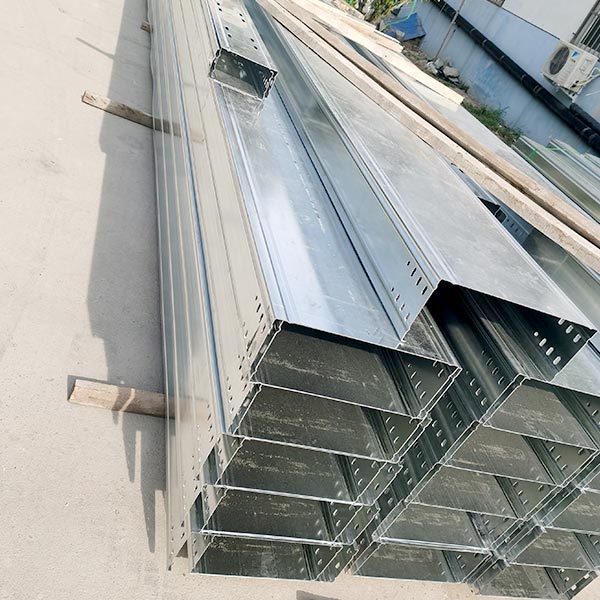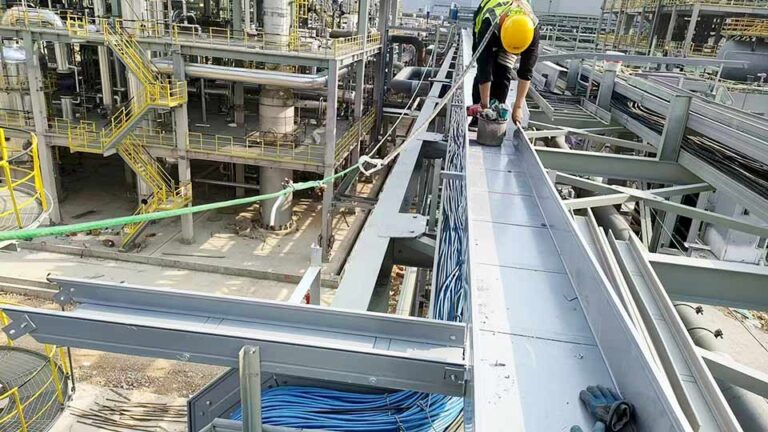
Electrical cable trays play a critical role in modern electrical installations, providing a safe, organized, and cost-effective way to support and manage power, control, and data cables. As a professional electrical cable trays manufacturer, we design and produce reliable cable tray systems for industrial, commercial, and infrastructure projects worldwide.
This guide explains everything you need to know about electrical cable trays—from types and materials to standards, load capacity, and custom manufacturing solutions—helping you choose the right system for your project.
What Are Electrical Cable Trays?

Electrical cable trays are structural systems used to support, route, and protect electrical cables in buildings and industrial facilities. Compared with traditional conduit systems, cable trays allow easier installation, better ventilation, and simplified maintenance.
They are widely used where large volumes of cables need to be managed efficiently, such as factories, power plants, data centers, and commercial buildings.
Key benefits of electrical cable trays include:
- Improved cable organization and safety
- Reduced installation and maintenance costs
- Flexible system expansion
- Better heat dissipation for power cables
Types of Electrical Cable Trays
Different installation environments call for different tray designs.
Ladder Tray Systems
Ladder-style trays are widely used in heavy-duty installations. Their open structure supports higher loads and allows excellent ventilation, making them suitable for long cable runs and power distribution systems.
Perforated Tray Systems
Perforated designs offer continuous cable support while still allowing airflow. They are often selected for commercial buildings and light industrial facilities.
Wire Mesh Tray Systems
Wire mesh trays are lightweight and flexible. They are typically used for data, communication, and low-voltage wiring where fast installation is required.
Solid Bottom Tray Systems
Solid bottom designs provide added protection for sensitive cables in environments with dust, debris, or dripping liquids.
Materials Used in Cable Tray Systems
Material choice has a direct impact on durability, corrosion resistance, and overall service life.
- Galvanized steel is commonly used for indoor and general industrial applications due to its strength and cost efficiency.
- Stainless steel provides excellent resistance in corrosive or hygienic environments such as chemical plants or food processing facilities.
- Aluminum offers a lightweight, corrosion-resistant option that simplifies handling and installation.
Selecting the right material depends on environmental exposure, load requirements, and project budget.
Applications Across Different Industries
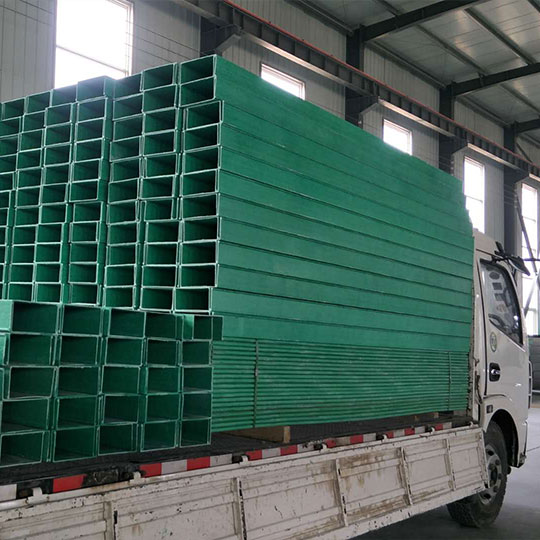
Tray-based cable management solutions are widely used in:
- Manufacturing plants and industrial workshops
- Commercial buildings and office complexes
- Data centers and technical facilities
- Power generation and utility projects
- Oil, gas, and petrochemical installations
Each application requires careful consideration of layout, support spacing, and environmental conditions.
Standards and Compliance Requirements
Compliance with recognized electrical standards is critical for safety and project approval. Tray systems are typically designed in accordance with:
- National and regional electrical codes
- International IEC guidelines
- Fire resistance and grounding requirements
As a manufacturer, we ensure our products meet relevant standards and project specifications.
Load Capacity and Design Considerations
Proper load assessment is essential for long-term reliability. Design considerations include:
- Total cable weight
- Support span and spacing
- Tray width and thickness
- Environmental factors such as temperature and corrosion
Typical Load Characteristics by Tray Design
| Tray Design Type | Relative Load Capacity | Common Use Cases |
|---|---|---|
| Ladder design | High | Industrial power distribution |
| Perforated design | Medium | Commercial and mixed-use buildings |
| Wire mesh design | Low to medium | Data and communication systems |
| Solid bottom design | Medium | Protected cable installations |
How to Choose the Right System for Your Project

Selecting the appropriate tray system depends on:
- Cable type and quantity
- Installation location (indoor or outdoor)
- Environmental exposure
- Maintenance and expansion needs
Working directly with an experienced manufacturer helps ensure the solution is technically suitable and cost-effective.
Custom Manufacturing Capabilities
Many projects require non-standard dimensions or special finishes. We provide custom manufacturing services, including:
- Project-specific sizes and thicknesses
- OEM production for branded systems
- Engineering support for complex installations
Every order is produced under strict quality control procedures to ensure consistency and reliability.
Why Work with a Direct Manufacturer
Choosing a factory-direct supplier offers clear benefits:
- Competitive pricing without intermediaries
- Stable supply for large-volume projects
- Quality assurance from raw material to finished product
- Experience supporting international projects
We support contractors, EPC companies, and distributors with dependable cable management solutions.
Installation and Maintenance Best Practices

Correct installation helps maximize system lifespan:
- Follow recommended support spacing
- Avoid exceeding designed load limits
- Conduct regular inspections after commissioning
Proper maintenance ensures long-term safety and performance.
Frequently Asked Questions
What are electrical cable trays used for?
Electrical cable trays are used to support and organize power, control, and data cables in industrial, commercial, and infrastructure projects, helping improve safety, accessibility, and cable management efficiency.
What types of electrical cable trays are commonly used?
Common types include ladder trays for heavy-duty applications, perforated trays for general installations, wire mesh trays for data and communication systems, and solid bottom trays for added cable protection.
Which materials are available for electrical cable trays?
Electrical cable trays are typically manufactured from galvanized steel, stainless steel, or aluminum, with material selection depending on load requirements, environmental conditions, and corrosion resistance needs.
Are electrical cable trays suitable for outdoor installations?
Yes. With appropriate materials and surface treatments, such as hot-dip galvanizing or stainless steel construction, cable tray systems can be safely used in outdoor and harsh environments.
Can electrical cable trays be customized for specific projects?
Yes. As a manufacturer, we provide customized solutions including non-standard sizes, special finishes, and project-specific designs to meet unique installation requirements.
Conclusion
Cable tray systems provide a practical and efficient way to manage electrical wiring in industrial and commercial projects. By selecting the right design, material, and load capacity, long-term safety and performance can be achieved.
As a professional manufacturer, we supply both standard and customized solutions tailored to project needs. If you are planning a new installation or upgrading an existing system, our team is ready to support you with reliable products and responsive service.
Contact us today to discuss your project requirements and request a quotation.