Table of Contents
Choosing the correct electrical cable tray types is a critical decision for any electrical installation project. Whether you are managing an industrial facility, commercial building, power plant, or data center, the right cable tray system ensures safe cable routing, long-term reliability, and efficient maintenance.
As a professional electrical cable tray manufacturer, we provide a wide range of cable tray solutions designed to meet different load requirements, environments, and industry standards. This guide will help you understand the most common electrical cable tray types and how to select the best option for your project.
What Are Electrical Cable Trays?

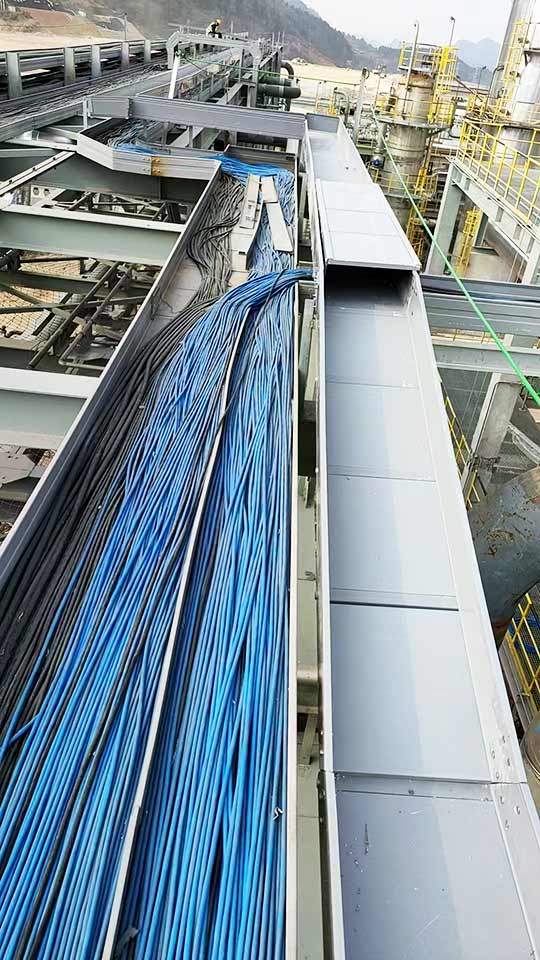
Electrical cable trays are structural support systems used to organize, protect, and route electrical power, control, and communication cables. They provide a safe and accessible alternative to conduit systems, especially in projects with large cable volumes or frequent future expansion.
Compared with traditional conduit, cable tray systems offer better ventilation, easier inspection, and more flexible cable management. This makes them widely used in modern electrical installations across industrial and commercial sectors.
Why Understanding Electrical Cable Tray Types Matters
Not all cable trays are suitable for every application. Selecting the wrong electrical cable tray type can lead to cable overheating, mechanical damage, difficult maintenance, and unnecessary costs.
Understanding the differences between electrical cable tray types helps you:
- Improve system safety and cable lifespan
- Optimize installation and maintenance efficiency
- Control long-term operational and expansion costs
For project owners and contractors, proper selection also ensures compliance with electrical standards and project specifications.
Main Electrical Cable Tray Types Explained

Different electrical cable tray types are designed for specific load capacities, cable types, and installation environments.
Ladder Type Cable Tray
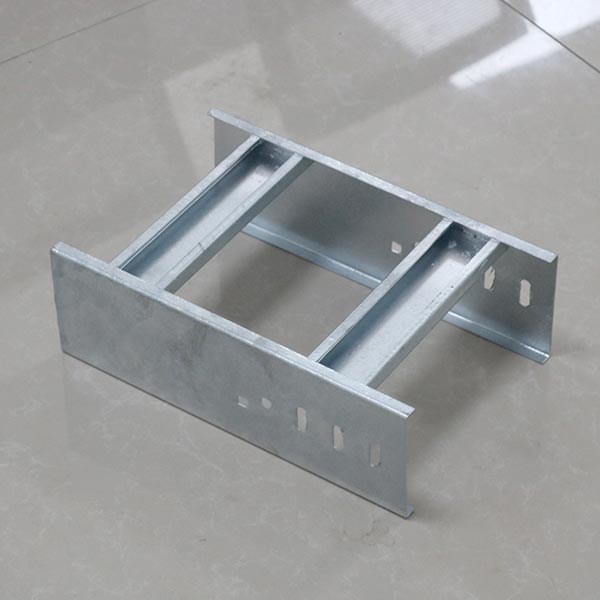
Ladder cable trays are the most commonly used type in heavy-duty applications. Their open structure provides excellent ventilation and allows heat to dissipate efficiently. They are ideal for power cables in industrial plants and large infrastructure projects.
Perforated Cable Tray
Perforated cable trays offer a balance between ventilation and cable support. The perforations allow airflow while providing better cable retention than ladder trays. They are widely used for power and control cables in commercial and industrial buildings.
Solid Bottom Cable Tray
Solid bottom cable trays provide maximum cable protection against dust, moisture, and falling debris. They are suitable for sensitive cables or installations where environmental protection is a priority.
Wire Mesh Cable Tray
Wire mesh cable trays are lightweight and flexible, making them ideal for data, communication, and low-voltage cable systems. Their easy cutting and shaping allow fast installation and on-site adjustments.
Channel Type Cable Tray
Channel cable trays are designed for light-duty applications with limited cable quantities. They are commonly used in small electrical systems or for supporting individual cable runs.
Electrical Cable Tray Types by Material
Material selection is just as important as tray structure. Different materials offer different performance characteristics.
- Galvanized Steel Cable Tray Types – Cost-effective and suitable for indoor and general industrial environments
- Stainless Steel Cable Tray Types – Excellent corrosion resistance for harsh or hygienic environments
- Aluminum Cable Tray Types – Lightweight and corrosion-resistant, ideal for outdoor installations
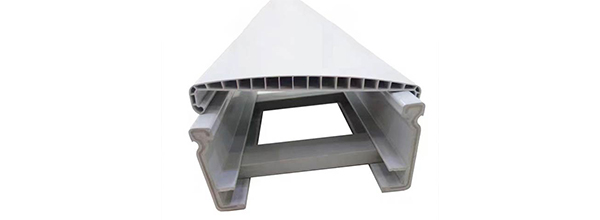
- FRP Electrical Cable Tray Types – Non-metallic, corrosion-resistant, and suitable for chemical or coastal areas
As a manufacturer, we offer multiple material options and surface treatments to meet project-specific requirements.
How to Choose the Right Electrical Cable Tray Type
When selecting electrical cable tray types, several factors should be carefully evaluated:
- Load capacity – Consider cable weight and future expansion
- Installation environment – Indoor, outdoor, corrosive, or high-temperature conditions
- Cable type – Power cables, control cables, or data cables
- Maintenance and accessibility – Ease of inspection and upgrades
Working with an experienced manufacturer allows you to receive technical guidance and customized solutions based on your project needs.
Electrical Cable Tray Types for Different Applications

Different industries have different cable management requirements.
- Industrial and manufacturing facilities require heavy-duty ladder or perforated cable trays
- Commercial buildings often use perforated or wire mesh trays for organized cable routing
- Power plants and energy projects rely on high-load ladder trays with strict compliance standards
- Data centers and communication systems typically use wire mesh trays for flexibility and airflow
Choosing the correct electrical cable tray type ensures long-term operational efficiency and safety.
Standards and Compliance for Electrical Cable Trays
Electrical cable tray systems must comply with recognized standards to ensure safety and reliability. Common references include NEC and IEC standards, which define load capacity, spacing, grounding, and installation requirements.
As a professional manufacturer, our electrical cable tray products are designed and tested to meet international standards, helping projects pass inspections and operate safely.
Comparison of Common Electrical Cable Tray Types
The table below provides a simple comparison to help you understand the key differences:
| Cable Tray Type | Load Capacity | Ventilation | Typical Applications |
|---|---|---|---|
| Ladder Tray | High | Excellent | Industrial power cables |
| Perforated Tray | Medium–High | Good | Commercial & industrial buildings |
| Solid Bottom Tray | Medium | Low | Sensitive cable protection |
| Wire Mesh Tray | Light–Medium | Excellent | Data & communication systems |
| Channel Tray | Light | Limited | Small cable installations |
Why Choose a Professional Electrical Cable Tray Manufacturer
Working directly with a professional electrical cable tray manufacturer provides significant advantages:
- Strict quality control and material selection
- Custom electrical cable tray types for unique projects
- OEM and bulk supply capabilities
- Technical support from design to installation
We help customers optimize their cable management systems while reducing overall project costs.
Common Mistakes When Selecting Electrical Cable Tray Types
Some common issues include underestimating cable load, ignoring environmental conditions, and failing to plan for future expansion. These mistakes can result in premature system upgrades and increased maintenance costs.
Partnering with an experienced manufacturer helps you avoid these risks and ensures long-term system performance.
Conclusion
Choosing the right electrical cable tray types is essential for safe, efficient, and future-proof electrical installations. From tray structure and material selection to load capacity and compliance standards, every detail plays a role in system performance.
As an experienced electrical cable tray manufacturer, we offer a complete range of solutions with customization options to meet diverse project requirements. If you are planning a new project or upgrading an existing system, working with a reliable manufacturer ensures quality, compliance, and long-term value.
FAQ
What are the main electrical cable tray types?
The main electrical cable tray types include ladder cable trays, perforated cable trays, solid bottom cable trays, wire mesh cable trays, and channel cable trays. Each type is designed for different load capacities, cable types, and installation environments.
Which electrical cable tray type is best for heavy-duty applications?
Ladder cable trays are generally the best choice for heavy-duty applications because they offer high load capacity, excellent ventilation, and easy access for maintenance in industrial installations.
How do I choose the right electrical cable tray type for my project?
To choose the right electrical cable tray type, consider factors such as cable load, installation environment, cable type, corrosion resistance, and future expansion needs. Consulting a professional manufacturer can help ensure the correct selection.
Are different electrical cable tray types suitable for indoor and outdoor use?
Yes. Galvanized or stainless steel cable tray types are commonly used for outdoor installations due to corrosion resistance, while wire mesh and perforated cable trays are often preferred for indoor electrical systems.
Can electrical cable tray types be customized by manufacturers?
Yes. Most professional manufacturers offer custom electrical cable tray types, including material selection, dimensions, surface treatment, and load capacity, to meet specific project requirements.
Need Help Choosing the Right Electrical Cable Tray Type?
If you’re unsure which electrical cable tray type is best for your project or installation environment, our experts are here to help. Contact us today for a personalized consultation and custom solution tailored to your cable load, application, and compliance requirements. Don’t compromise on safety or performance—get in touch now and build a reliable, future-ready cable management system with a trusted manufacturer.