Table of Contents
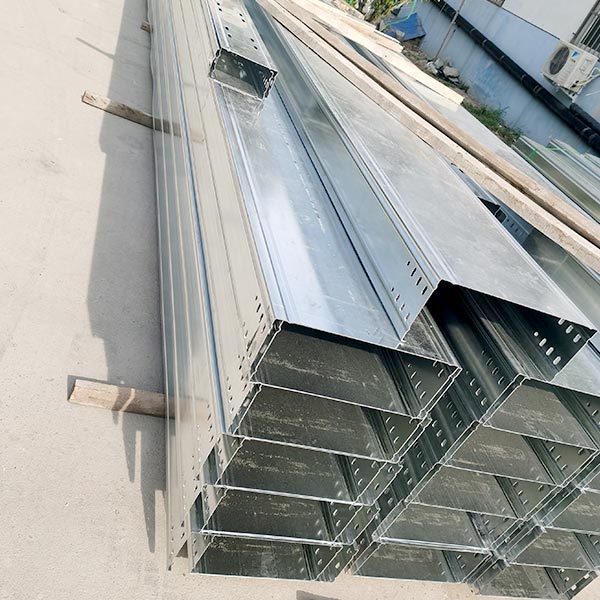
Cable tray systems play a critical role in modern electrical installations by providing structured, safe, and efficient cable management. For industrial and commercial projects, selecting the right cable tray types directly impacts system performance, safety compliance, and long-term maintenance costs.
As a professional cable tray manufacturer, we work closely with contractors, engineers, and project owners worldwide. This guide explains the most common cable tray types, materials, applications, and selection criteria to help you choose the best solution for your project.
What Are Cable Tray Systems?
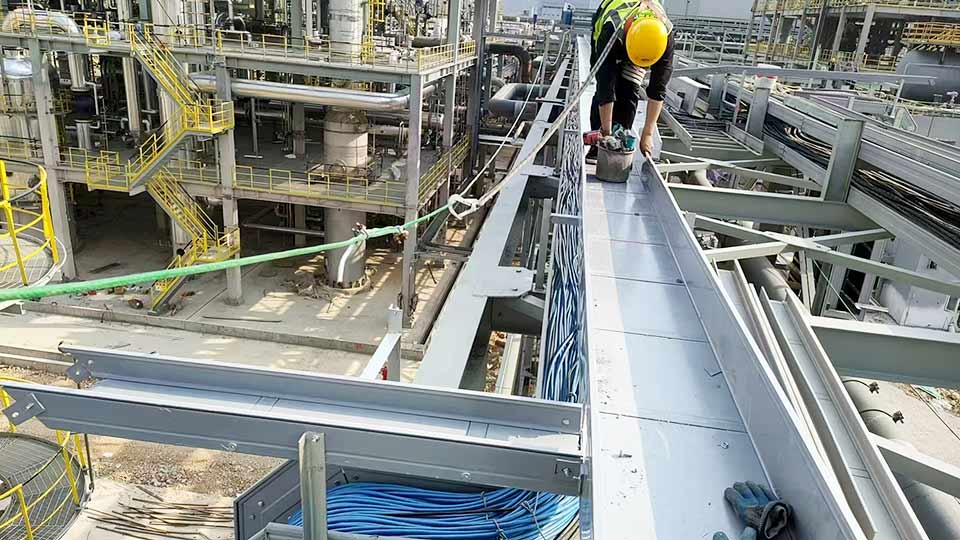
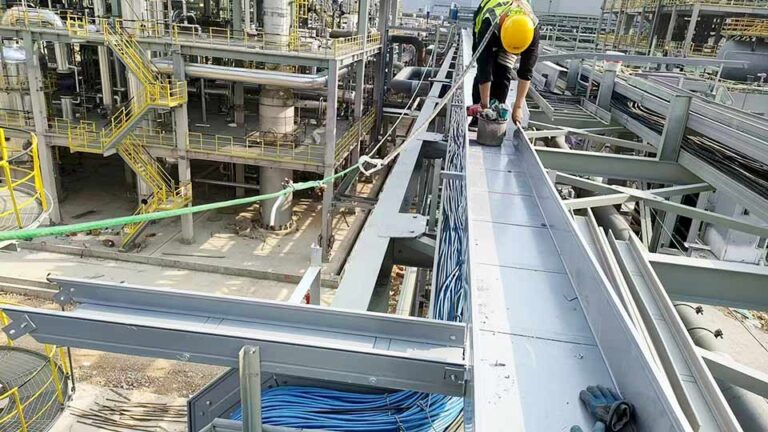
Cable tray systems are mechanical structures designed to support, route, and protect electrical cables and wiring. They are widely used in power distribution, data communication, and control systems across industrial and commercial facilities.
Compared with traditional conduit systems, cable trays offer greater flexibility, improved heat dissipation, and easier access for maintenance and future expansion. This makes them a preferred choice for complex and large-scale installations.
Why Choosing the Right Cable Tray Type Matters
Not all cable tray systems perform the same. Selecting the correct cable tray type ensures:
- Enhanced safety by reducing cable damage and overheating
- Efficient cable management for organized routing and scalability
- Faster installation and simplified maintenance
- Lower lifecycle costs through durability and reduced downtime
For industrial environments, improper selection can lead to premature failure, compliance issues, and increased operational risks.
Main Cable Tray Types Explained
Different cable tray types are designed to meet specific load, ventilation, and installation requirements.
Ladder Type Cable Tray
Ladder cable trays are ideal for heavy-duty power cables. Their open design allows excellent airflow, reducing heat buildup and supporting long cable spans. They are commonly used in power plants, factories, and outdoor installations.
Perforated Cable Tray
Perforated cable trays feature ventilation holes that balance cable support and airflow. They are suitable for power and control cables in commercial buildings and industrial facilities.
Solid Bottom Cable Tray
Solid bottom cable trays provide maximum cable protection by fully enclosing the bottom surface. They are recommended for sensitive cables that require shielding from dust, debris, or electromagnetic interference.
Wire Mesh Cable Tray
Wire mesh cable trays are lightweight, flexible, and easy to install. They are widely used for data, communication, and low-voltage systems, especially in data centers and commercial interiors.
Channel Type Cable Tray
Channel cable trays are compact systems designed for light cable loads and short runs. They are often used for instrumentation and control wiring.
Cable Tray Types by Material
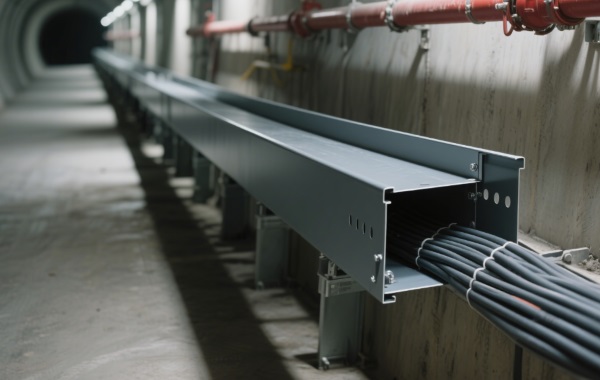
Material selection is just as important as tray structure. Each material offers unique performance advantages.
| Material Type | Key Advantages | Typical Applications |
|---|---|---|
| Steel | High strength, cost-effective | Industrial plants, heavy-duty projects |
| Aluminum | Lightweight, corrosion-resistant | Commercial buildings, outdoor use |
| Stainless Steel | Excellent corrosion resistance | Chemical plants, marine environments |
| Fiberglass (FRP) | Non-conductive, corrosion-resistant | Harsh and corrosive environments |
As a manufacturer, we offer multiple material options to meet different environmental and load requirements.
Cable Tray Types and Their Applications
Different cable systems require different tray designs.
- Power cables require strong load-bearing cable tray types such as ladder or perforated trays.
- Data and communication cables benefit from wire mesh or perforated trays that support airflow and easy routing.
- Control and instrumentation cables often use channel or solid bottom trays for protection and organization.
Matching the cable tray type to the cable function improves system reliability and lifespan.
Cable Tray Types for Different Environments
Environmental conditions significantly influence cable tray performance.
- Indoor installations typically use perforated or wire mesh cable trays.
- Outdoor installations require corrosion-resistant materials such as galvanized steel, aluminum, or stainless steel.
- Corrosive environments benefit from stainless steel or fiberglass cable tray types.
- High-temperature or heavy-duty areas demand robust ladder-type systems with proper spacing.
Cable Tray Types for Industrial and Commercial Projects
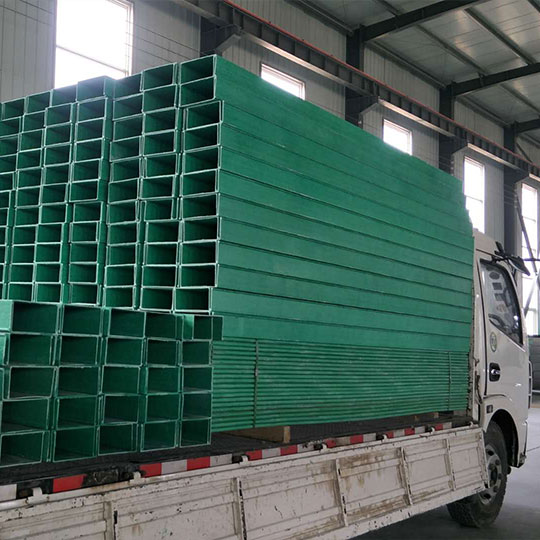
Cable tray requirements vary by industry:
- Factories and manufacturing plants need heavy-duty cable tray types for power distribution.
- Power plants and substations rely on ladder trays for high-load applications.
- Data centers prefer wire mesh cable trays for flexibility and airflow.
- Commercial buildings often use perforated or aluminum trays for balanced performance and aesthetics.
How to Choose the Right Cable Tray Type for Your Project
When selecting cable tray types, consider:
- Cable load and weight capacity
- Installation environment and exposure conditions
- Available installation space and routing complexity
- Compliance with NEC, IEC, or local standards
Working with an experienced manufacturer ensures that your selection meets both technical and regulatory requirements.
Why Work with a Professional Cable Tray Manufacturer

Choosing a reliable manufacturer provides long-term value beyond the product itself.
- Consistent material quality and manufacturing standards
- Custom cable tray types, sizes, and finishes
- Engineering support for complex projects
- Factory-direct pricing and stable supply capability
As a manufacturer, we support projects from design consultation to final delivery, ensuring reliable cable tray solutions tailored to your needs.
Common Questions About Cable Tray Types
What are the most common cable tray types?
Ladder, perforated, solid bottom, wire mesh, and channel cable trays are the most widely used.
Which cable tray type is best for outdoor use?
Ladder or perforated cable trays made from galvanized steel, aluminum, or stainless steel are ideal for outdoor environments.
What is the difference between ladder and perforated cable trays?
Ladder trays offer higher load capacity and airflow, while perforated trays provide better cable support and protection.
How do I select the right cable tray type for my project?
Consider cable load, environment, standards, and consult a professional manufacturer for guidance.
Conclusion
Choosing the right cable tray types is essential for ensuring safety, efficiency, and long-term performance in industrial and commercial electrical systems. From tray structure and material selection to application-specific requirements, each decision plays a critical role in project success.
As a professional cable tray manufacturer, we provide a full range of cable tray types, materials, and custom solutions to meet diverse project demands. If you are planning a new installation or upgrading an existing system, contact us today to discuss your requirements and receive a reliable, cost-effective cable tray solution tailored to your project.
Need Help Choosing the Right Cable Tray Type?
If you’re unsure which cable tray type is best for your project or installation environment, our experienced team is here to help. As a professional cable tray manufacturer, we provide expert guidance, customized solutions, and reliable products tailored to your needs. Contact us today for a personalized consultation, and ensure your cable management system is safe, efficient, and built to last. Don’t wait—get in touch now to support your project with the right cable tray solution.