Table of Contents
In modern electrical and industrial construction, structured support solutions play an essential role in ensuring safety, reliability, and long-term system stability. As projects grow in scale and complexity, proper routing and organization of electrical infrastructure becomes increasingly important.
From a manufacturing perspective, these solutions must not only meet technical requirements, but also align with installation practices, local regulations, and long-term operational needs. This article provides a practical overview of structural cable support, common applications, selection considerations, and how professional manufacturers support global projects.
What Is a Cable Tray System?
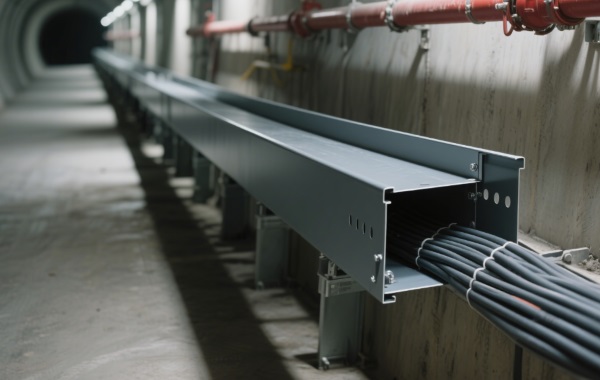
An open structural framework is widely used to route insulated conductors across industrial, commercial, and infrastructure facilities. This approach allows electrical lines to remain visible, accessible, and well-supported throughout their service life.
In large installations, open routing structures help simplify system layout, reduce installation time, and allow future expansion without major reconstruction.
Definition of Cable Trays in Electrical Installations
These structures are fabricated from metal and designed to carry grouped wiring safely over long distances. They are commonly installed above ceilings, along walls, or within dedicated service corridors where accessibility is required.
In engineering design, they are often selected as part of an overall electrical distribution strategy rather than as an isolated component.
How Cable Tray Systems Work
By providing continuous physical support, the framework distributes mechanical loads evenly and reduces stress on conductors. This improves airflow around wiring, which helps control temperature and reduce the risk of insulation degradation.
In operational environments, this also simplifies inspection, fault detection, and system modification.
Cable Trays vs Conduit: Key Differences
Compared with enclosed piping systems, open support structures allow faster installation, easier capacity upgrades, and improved visibility. These advantages become especially important in facilities where frequent system changes are expected.
Why Cable Trays Are Essential for Modern Cable Management

As electrical networks become more complex, unstructured routing increases operational risk. Poor organization can lead to overheating, difficult troubleshooting, and higher maintenance costs.
Structured routing systems provide a standardized approach that supports both safety and efficiency throughout the project lifecycle.
Benefits of Using Cable Tray Systems
- Clear and organized routing paths
- Faster inspection and easier maintenance
- Improved heat dissipation
- Reduced installation labor
- Greater flexibility for system expansion
Cable Tray Systems for Industrial and Commercial Projects
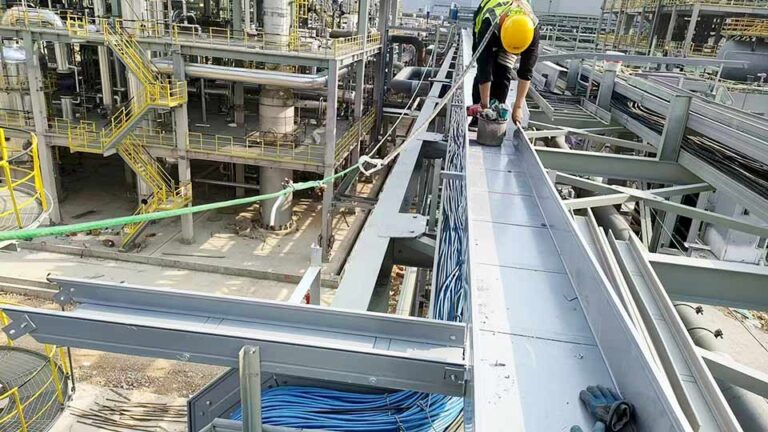
Manufacturing plants, infrastructure facilities, and large commercial buildings rely on structured routing to maintain stable electrical performance while meeting safety requirements.
In many projects, these systems also contribute to cleaner layouts and improved overall site management.
Different Types of Cable Trays and Their Applications
Various structural designs are available to address different project conditions, load requirements, and installation environments.
Ladder Type Cable Trays
This configuration provides high mechanical strength and open spacing, allowing effective ventilation. It is commonly used where heavy power distribution is required and cable heat dissipation is critical.
Perforated Cable Trays
With additional surface support, this design balances ventilation and cable protection. It is often selected for control wiring and mixed electrical systems.
Wire Mesh Cable Trays
Lightweight and flexible, wire mesh designs are easy to cut and adapt on site. They are widely used in communication systems and data-related installations.
Solid Bottom Cable Trays
Fully enclosed bases provide additional protection from dust, falling debris, and external interference, making them suitable for sensitive wiring environments.
Cable Tray Materials: Choosing the Right One
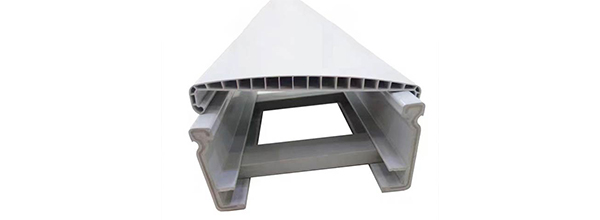
Material selection directly affects structural performance, durability, and maintenance requirements over time.
Galvanized Steel Cable Trays
This option offers a practical balance between strength and cost, making it suitable for many standard installations.
Aluminum Cable Trays
Aluminum structures reduce overall system weight and provide natural resistance to corrosion, which can be beneficial in certain environments.
Stainless Steel Cable Trays
Designed for aggressive or corrosive conditions, stainless steel solutions are often used where hygiene, chemical exposure, or long service life is required.
Corrosion Resistance and Environmental Factors
Environmental conditions such as humidity, temperature variation, and chemical exposure should always be evaluated during material selection to avoid premature degradation.
Common Applications of Cable Tray Systems
Structured support solutions are used across a wide range of industries and project types.
Cable Trays for Power Plants
They support heavy electrical loads while allowing safe access for inspection and maintenance during operation.
Cable Trays for Data Centers
Open routing designs help manage dense wiring layouts and support airflow efficiency in temperature-controlled environments.
Cable Trays for Solar Energy Projects
Outdoor installations require durable finishes capable of withstanding long-term exposure to sunlight, moisture, and temperature changes.
Cable Trays for Commercial and Industrial Buildings
Factories, warehouses, and logistics centers benefit from organized routing that simplifies maintenance and system upgrades.
How to Choose the Right Cable Tray for Your Project
Selecting the appropriate solution requires a combination of technical evaluation and practical planning.
Load Capacity and Cable Type
The structure must safely support total wiring weight while maintaining adequate safety margins.
Installation Environment (Indoor / Outdoor)
Environmental conditions influence both material choice and surface treatment requirements.
Compliance with International Standards
Many projects require alignment with recognized electrical and safety regulations.
Project Budget and Long-Term Cost
Initial investment should be evaluated alongside durability, maintenance effort, and operational efficiency.
Installation Considerations and Best Practices
Proper installation plays a key role in long-term system performance.
Correct spacing, secure fixing, and proper alignment help ensure structural stability. Installation teams should follow engineering drawings and manufacturer guidelines to avoid overloading or misalignment.
Regular inspection during installation also helps identify potential issues early and reduces rework.
Maintenance and Inspection Over the System Lifecycle
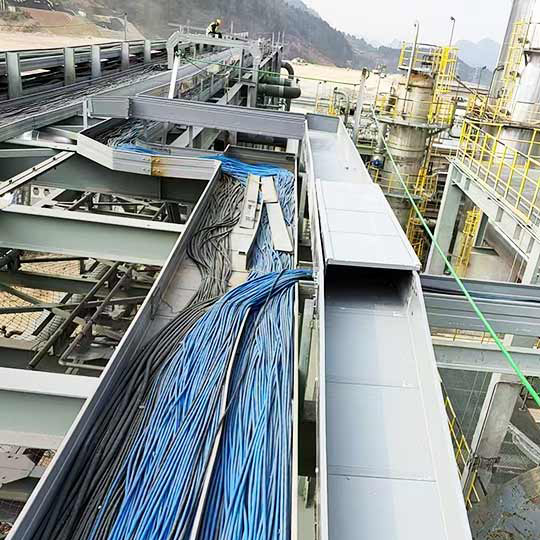
Routine inspection helps extend service life and maintain safety.
Visual checks, load verification, and fastener inspection should be performed periodically, especially in high-vibration or outdoor environments. Preventive maintenance reduces unexpected downtime and improves operational reliability.
Cable Tray Standards and Quality Requirements
Compliance and quality assurance are critical during procurement and execution.
International Cable Tray Standards (NEC, IEC, NEMA)
Following established standards ensures compatibility, safety, and acceptance across different markets.
Fire Resistance and Safety Requirements
Fire-rated designs contribute to improved protection in critical electrical installations.
Quality Control in Cable Tray Manufacturing
Strict inspection during fabrication ensures dimensional accuracy, coating quality, and consistent structural performance.
Why Buy Cable Trays Directly from the Manufacturer
Direct sourcing offers practical and long-term advantages for project owners and contractors.
Factory Direct Pricing and Cost Advantages
Reducing intermediaries helps improve cost transparency and procurement efficiency.
OEM & Custom Cable Tray Solutions
Manufacturers can adapt dimensions, finishes, and configurations to match specific project requirements.
Consistent Quality and Delivery Control
Direct oversight of production improves reliability and schedule control.
Cable Tray Pricing: What Factors Affect the Cost?
Pricing is influenced by both technical and commercial considerations.
| Factor | Impact on Cost |
|---|---|
| Material selection | Affects durability and corrosion resistance |
| Structural design | Influences fabrication complexity |
| Thickness | Higher load capacity increases material usage |
| Surface treatment | Protective finishes add processing cost |
| Order volume | Larger quantities reduce unit pricing |
| Custom requirements | Special designs may increase cost |
Understanding these factors helps buyers make informed decisions.
Global Supply Capability of Our Manufacturing Operations
As a production-oriented supplier, we support projects across different regions and industries.
Export Experience for International Projects
Familiarity with international documentation, packaging standards, and logistics requirements ensures smooth project execution.
Packaging, Logistics, and Delivery
Proper packaging methods reduce transportation risks and protect products during long-distance shipping.
Supporting Large-Scale Industrial Projects
Stable production capacity allows consistent delivery even for complex and time-sensitive projects.
Conclusion
Structured electrical support solutions are essential for safe, efficient, and scalable installations. A well-planned system improves reliability, simplifies maintenance, and supports future expansion.
From a manufacturing standpoint, providing customized and standards-compliant solutions helps project owners achieve better cost control and long-term performance. Working directly with an experienced factory ensures technical alignment, consistent quality, and reliable delivery throughout the project lifecycle.
For project consultation or customized solutions, you are welcome to contact us to discuss your requirements and request a detailed quotation.
FAQ
What is the main purpose of a cable tray system?
A cable tray system is used to support and organize electrical wiring in industrial and commercial installations, making routing safer, more accessible, and easier to maintain over time.
How do cable trays differ from traditional conduit systems?
Unlike conduit, open support structures allow better airflow, simpler installation, and easier future expansion, which makes them suitable for large-scale or complex projects.
What factors should be considered when selecting a cable tray?
Key factors include load capacity, installation environment, material type, compliance with standards, and long-term maintenance requirements.
Can cable tray systems be customized for specific projects?
Yes, manufacturers can provide customized sizes, materials, finishes, and configurations to meet specific engineering and installation needs.
Why is it beneficial to source cable trays directly from a manufacturer?
Direct sourcing helps ensure consistent quality, better technical support, flexible customization, and more transparent pricing for project-based procurement.
Need Help Choosing the Right Cable Tray Solution?
If you’re unsure which cable tray design, material, or configuration best fits your project requirements, our experienced team is ready to assist. As a professional manufacturer, we provide technical guidance and customized solutions tailored to your installation environment and load needs. Contact us today for a personalized consultation and ensure your electrical infrastructure is safe, efficient, and compliant with industry standards. Don’t leave critical decisions to chance—get in touch now and build your project with confidence.