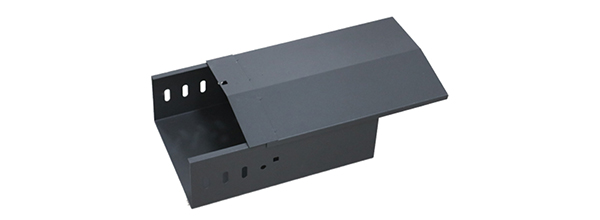
Selecting the correct dimensions for a cable tray system is a crucial step in electrical and industrial installations. Proper sizing ensures safe cable routing, adequate ventilation, compliance with standards, and long-term operational reliability. As an experienced cable tray manufacturer, we supply both standard configurations and made-to-order solutions to meet diverse project requirements.
This guide explains commonly used dimensions, selection principles, application-based recommendations, and how to source the right solution directly from a factory.
What Is Cable Tray Size and Why It Matters

Cable tray sizing refers to the overall width, side rail height, and length of the tray used to support and organize electrical cables. These dimensions directly influence load capacity, airflow, and ease of installation.
Incorrect sizing can result in cable congestion, overheating, and future maintenance difficulties. Proper dimension planning helps achieve a balance between safety, performance, and cost efficiency.
Standard Cable Tray Sizes Used in Industrial Projects
In most industrial and commercial projects, standardized tray dimensions are widely adopted to simplify design and installation. Typical widths range from 50 mm to 900 mm, while side rail heights commonly fall between 50 mm and 150 mm. Tray lengths are usually produced in 2.4 m or 3.0 m sections.
These standard configurations are suitable for power distribution, control wiring, and communication systems across many industries.
Cable Tray Size Chart (mm & Inch)

The following table provides a general reference for commonly used tray dimensions. As a manufacturer, we can adjust these specifications based on load, material thickness, and project standards.
| Tray Width | Side Rail Height | Metric (mm) | Imperial |
|---|---|---|---|
| 100 mm | 50 mm | 100 × 50 | 4″ × 2″ |
| 200 mm | 50 mm | 200 × 50 | 8″ × 2″ |
| 300 mm | 75 mm | 300 × 75 | 12″ × 3″ |
| 400 mm | 100 mm | 400 × 100 | 16″ × 4″ |
| 600 mm | 100 mm | 600 × 100 | 24″ × 4″ |
| 800 mm | 150 mm | 800 × 150 | 32″ × 6″ |
Actual availability may vary depending on project specifications and applicable standards.
How to Choose the Right Cable Tray Size for Your Project
Tray selection should be based on cable type, quantity, and installation environment. Heavier power cables require wider trays and stronger side rails, while communication systems often prioritize airflow and organization.
It is also recommended to reserve additional space for future expansion. Allowing spare capacity reduces the need for costly modifications later and simplifies maintenance work.
Cable Tray Size Calculation and Fill Capacity Explained
Tray dimension planning often follows fill capacity guidelines defined by NEC and NEMA standards. These rules limit how much of the tray’s usable area can be occupied to ensure proper heat dissipation.
A typical sizing process includes calculating total cable area, applying the permitted fill ratio, and selecting a tray configuration that meets both safety and performance requirements.
Cable Tray Size by Application
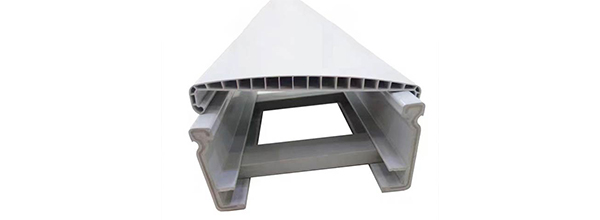
Different installation scenarios call for different tray dimensions:
- Electrical power systems often require wider trays with higher load ratings
- Data centers and communication projects benefit from medium-sized trays with good ventilation
- Industrial and outdoor environments may need deeper trays with enhanced structural strength
Working with a manufacturer allows these factors to be evaluated early in the design stage.
Standard vs Custom Cable Tray Sizes
Standard tray configurations are cost-effective and readily available for many projects. However, complex layouts, high cable density, or space limitations often make custom-built trays the better option.
Custom manufacturing allows optimized dimensions, improved cable organization, and better alignment with site conditions. Factory-direct production ensures accuracy and consistent quality.
Cable Tray Size Standards and Specifications
Tray dimensions and load performance are regulated by international and regional standards such as NEMA, IEC, and NEC. These specifications define acceptable ranges, structural requirements, and installation practices.
Following recognized standards helps ensure compliance, safety, and long service life in demanding applications.
Why Buy Cable Trays by Size Directly from Manufacturer

Sourcing trays directly from a manufacturer offers clear advantages, including cost control, quality assurance, and flexible customization. Factory production also allows closer coordination on technical details and delivery schedules.
We support projects with standard offerings, OEM solutions, and project-specific designs tailored to actual installation needs.
Available Cable Tray Sizes We Manufacture
Our manufacturing range includes ladder trays, perforated trays, and wire mesh systems in various widths and depths. Products are available with finishes such as pre-galvanized steel, hot-dip galvanized, stainless steel, and powder coating.
Both off-the-shelf and customized configurations are supplied to meet industrial, commercial, and infrastructure requirements.
Conclusion
Proper dimension selection plays a vital role in safe and efficient cable management. By understanding standard configurations, application requirements, and fill capacity principles, project teams can make informed decisions that improve system performance and longevity.
As a professional cable tray manufacturer, we provide reliable solutions covering standard designs and customized production. If you are planning a new installation or upgrading an existing system, contact us to discuss your requirements and receive expert support from the factory level.
FAQ
How do I choose the right cable tray size for my project?
The right option depends on cable type, quantity, load requirements, and available installation space. It is also important to allow extra capacity for future expansion.
What are the standard cable tray sizes commonly used in industrial installations?
Standard widths typically range from 50 mm to 900 mm, with side rail heights from 50 mm to 150 mm. Exact dimensions may vary by application and standard.
Can cable tray sizes be customized by manufacturers?
Yes. Most professional manufacturers offer custom dimensions to meet specific layout, load, or project requirements, especially for large-scale or complex installations.
How is cable tray fill capacity related to tray dimensions?
Fill capacity is calculated based on the usable cross-sectional area of the tray. Standards such as NEC and NEMA define allowable fill ratios to ensure proper ventilation and safety.
Is it better to buy cable trays directly from a manufacturer?
Buying directly from a manufacturer ensures better price control, consistent quality, and access to custom solutions and technical support.
Need Help Choosing the Right Cable Tray Solution?
If you’re unsure which cable tray dimensions or configuration best fit your project, our manufacturing experts are ready to assist. Contact us today for a personalized consultation and get professional guidance on standard or custom cable tray solutions—built to meet industry standards and project requirements. Don’t leave your installation to chance—get in touch now and ensure safe, efficient, and reliable cable management.