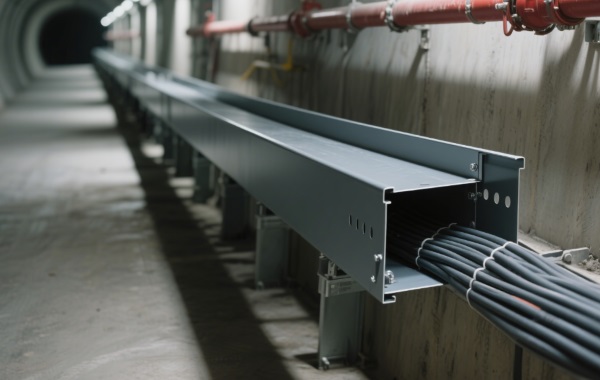
Cable Tray Load Capacity Guide is written for electrical engineers, contractors, project managers, distributors, and procurement teams who need a practical answer before ordering. The search intent is clear: how to review cable weight, spare capacity, and support strength. Instead of repeating a generic product introduction, this guide explains how to connect site conditions, cable information, accessories, and maintenance access into a better purchasing decision.
A weak specification can lead to crowded routes, missing fittings, difficult inspection, or unnecessary field changes. A stronger specification treats cable tray load as part of the whole cable support system, including the tray body, covers, fasteners, supports, route layout, and documentation.
Table of Contents
- Understand the Project Need
- Check the Route Environment
- Review Cable Load and Access
- Compare Materials and Accessories
- Use a Practical Selection Table
- Avoid Common Mistakes
- Procurement and Documentation Checks
- Conclusion
Understand the Project Need
A practical cable tray load decision starts with the actual cable route, not with a copied specification.
Start by defining what the project really needs. Is the system supporting power cables, control cables, instrumentation cables, communication lines, or a mixed route? Is the route horizontal, vertical, exposed, covered, or close to equipment? These questions shape cable tray load because each cable route has different risks.
The buyer should prepare a cable list, route drawing, approximate cable load, environmental notes, and accessory expectations before asking for a quotation. This information helps the manufacturer understand whether the project needs ladder tray, perforated tray, trough tray, non-metallic tray, or a custom route.
Clear search intent also helps the article stay useful. The reader is usually not asking for a definition; they are trying to solve an installation or procurement problem. Good cable tray load guidance should answer that problem directly.
Check the Route Environment
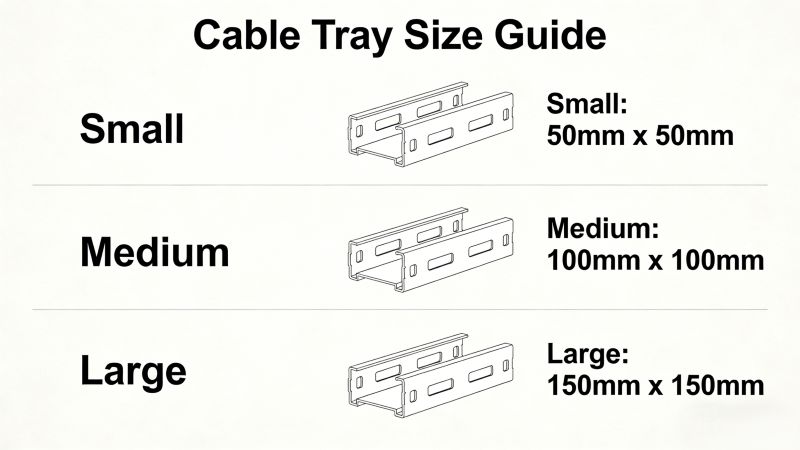
The best cable tray load plan connects cable load, environment, accessories, and future maintenance.
Environment affects material choice, cover style, support spacing, and long-term maintenance. Indoor electrical rooms, outdoor pipe racks, coastal areas, chemical workshops, rooftops, tunnels, and control rooms do not create the same conditions. Moisture, salt, dust, sunlight, vibration, and cleaning routines all influence cable tray load.
Do not describe the site only as industrial or outdoor. State whether the route is exposed to rain, UV, chemical vapor, high humidity, mechanical contact, or regular washdown. A specific description leads to a more reliable recommendation.
For background terminology, review the Wikipedia cable tray overview. For related product context, see the cable tray size guide.
Review Cable Load and Access
For procurement teams, cable tray load should be reviewed as a technical requirement before quotation.
Cable load is not only a number on a drawing. It affects tray width, side height, support distance, bracket strength, and the way bends or tees are selected. A route with frequent turns needs more careful planning than a simple straight run.
Future expansion should also be included. Many industrial systems add cables after commissioning. If the tray is already full, later work becomes harder and more expensive. A reasonable spare capacity makes cable tray load more useful over time.
Access matters just as much as load. Workers need space to inspect joints, open covers, clean dust, tighten fasteners, and add cables. A route that cannot be reached safely will be difficult to maintain.
Compare Materials and Accessories
When engineers define cable tray load clearly, the supplier can recommend dimensions and accessories more responsibly.
Material should follow the working environment. Galvanized steel, stainless steel, FRP, polymer, and coated systems each have useful applications, but none should be selected by habit alone. The project team should compare corrosion risk, mechanical strength, UV exposure, and fire-related project requirements.
Accessories are often where problems begin. Bends, tees, reducers, covers, splice plates, brackets, fasteners, and hold-down clamps should be confirmed before the order is placed. A complete cable tray load order is more than straight tray sections.
For safety or standards context, use authoritative sources such as IEC standards overview. For additional site planning, the FRP cable tray product center may also help the buyer review route details.
Use a Practical Selection Table
| Review Item | Why It Matters | Buyer Action |
|---|---|---|
| Cable list | Prevents undersized routes | Confirm cable type, quantity, and future space |
| Environment | Changes material and cover needs | Describe indoor, outdoor, coastal, chemical, or dusty areas |
| Accessories | Avoids site delays | List bends, tees, reducers, covers, brackets, and fasteners |
| Maintenance | Protects long-term usability | Keep inspection access and removable sections |
A complete cable tray load request reduces drawing changes, missing parts, and avoidable jobsite delays.
A table is useful because it turns a broad product question into a checklist. Buyers can compare the cable list, route environment, accessories, and maintenance requirements before confirming cable tray load.
This approach also helps suppliers respond with fewer assumptions. When the request includes route conditions and accessory scope, the quotation is more complete and the installation team is less likely to face missing parts.
Avoid Common Mistakes

A practical cable tray load decision starts with the actual cable route, not with a copied specification.
The first mistake is copying an old specification without checking the new site. A product that worked in a clean indoor room may not fit a rooftop, chemical area, coastal facility, tunnel, or control panel route.
The second mistake is ordering straight sections only. If covers, connectors, reducers, and support brackets are missing, the jobsite may need extra purchasing or improvised modifications.
The third mistake is focusing only on the lowest initial cost. This article does not include prices because real cost depends on material, dimensions, quantity, accessories, packing, and project documents. A good cable tray load comparison starts with complete scope.
Procurement and Documentation Checks
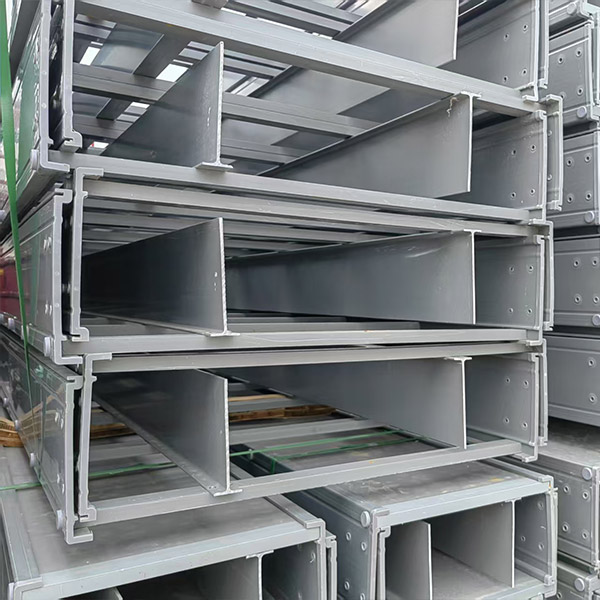
The best cable tray load plan connects cable load, environment, accessories, and future maintenance.
- Confirm the route where cable tray load will be installed.
- Share cable type, cable quantity, route drawing, and expected spare capacity.
- Review tray width, height, bend radius, covers, support spacing, and accessories together.
- Check whether the environment requires corrosion-resistant or non-metallic materials.
- Ask for drawings, packing details, and document requirements before production.
These checks make cable tray load easier to approve, manufacture, inspect, pack, ship, and install. They also reduce avoidable communication problems between the buyer, supplier, consultant, and construction team.
A clear handover also helps the construction team. The installer should know where each straight section, bend, tee, reducer, cover, bracket, and fastener will be used before materials arrive at the site.
The purchasing team should compare quotations by scope instead of comparing a single product name. A complete scope includes material, dimensions, fittings, surface treatment, packing, documents, and delivery requirements.
Maintenance access should be visible in the drawings. If workers cannot reach a route safely, inspection and later cable additions become more difficult even when the original product is suitable.
A clear handover also helps the construction team. The installer should know where each straight section, bend, tee, reducer, cover, bracket, and fastener will be used before materials arrive at the site.
The purchasing team should compare quotations by scope instead of comparing a single product name. A complete scope includes material, dimensions, fittings, surface treatment, packing, documents, and delivery requirements.
Maintenance access should be visible in the drawings. If workers cannot reach a route safely, inspection and later cable additions become more difficult even when the original product is suitable.
A clear handover also helps the construction team. The installer should know where each straight section, bend, tee, reducer, cover, bracket, and fastener will be used before materials arrive at the site.
The purchasing team should compare quotations by scope instead of comparing a single product name. A complete scope includes material, dimensions, fittings, surface treatment, packing, documents, and delivery requirements.
Maintenance access should be visible in the drawings. If workers cannot reach a route safely, inspection and later cable additions become more difficult even when the original product is suitable.
A clear handover also helps the construction team. The installer should know where each straight section, bend, tee, reducer, cover, bracket, and fastener will be used before materials arrive at the site.
The purchasing team should compare quotations by scope instead of comparing a single product name. A complete scope includes material, dimensions, fittings, surface treatment, packing, documents, and delivery requirements.
Maintenance access should be visible in the drawings. If workers cannot reach a route safely, inspection and later cable additions become more difficult even when the original product is suitable.
A clear handover also helps the construction team. The installer should know where each straight section, bend, tee, reducer, cover, bracket, and fastener will be used before materials arrive at the site.
The purchasing team should compare quotations by scope instead of comparing a single product name. A complete scope includes material, dimensions, fittings, surface treatment, packing, documents, and delivery requirements.
Maintenance access should be visible in the drawings. If workers cannot reach a route safely, inspection and later cable additions become more difficult even when the original product is suitable.
A clear handover also helps the construction team. The installer should know where each straight section, bend, tee, reducer, cover, bracket, and fastener will be used before materials arrive at the site.
The purchasing team should compare quotations by scope instead of comparing a single product name. A complete scope includes material, dimensions, fittings, surface treatment, packing, documents, and delivery requirements.
Maintenance access should be visible in the drawings. If workers cannot reach a route safely, inspection and later cable additions become more difficult even when the original product is suitable.
A clear handover also helps the construction team. The installer should know where each straight section, bend, tee, reducer, cover, bracket, and fastener will be used before materials arrive at the site.
The purchasing team should compare quotations by scope instead of comparing a single product name. A complete scope includes material, dimensions, fittings, surface treatment, packing, documents, and delivery requirements.
Maintenance access should be visible in the drawings. If workers cannot reach a route safely, inspection and later cable additions become more difficult even when the original product is suitable.
A clear handover also helps the construction team. The installer should know where each straight section, bend, tee, reducer, cover, bracket, and fastener will be used before materials arrive at the site.
The purchasing team should compare quotations by scope instead of comparing a single product name. A complete scope includes material, dimensions, fittings, surface treatment, packing, documents, and delivery requirements.
Maintenance access should be visible in the drawings. If workers cannot reach a route safely, inspection and later cable additions become more difficult even when the original product is suitable.
A clear handover also helps the construction team. The installer should know where each straight section, bend, tee, reducer, cover, bracket, and fastener will be used before materials arrive at the site.
The purchasing team should compare quotations by scope instead of comparing a single product name. A complete scope includes material, dimensions, fittings, surface treatment, packing, documents, and delivery requirements.
Maintenance access should be visible in the drawings. If workers cannot reach a route safely, inspection and later cable additions become more difficult even when the original product is suitable.
A clear handover also helps the construction team. The installer should know where each straight section, bend, tee, reducer, cover, bracket, and fastener will be used before materials arrive at the site.
The purchasing team should compare quotations by scope instead of comparing a single product name. A complete scope includes material, dimensions, fittings, surface treatment, packing, documents, and delivery requirements.
Maintenance access should be visible in the drawings. If workers cannot reach a route safely, inspection and later cable additions become more difficult even when the original product is suitable.
A clear handover also helps the construction team. The installer should know where each straight section, bend, tee, reducer, cover, bracket, and fastener will be used before materials arrive at the site.
The best cable tray load plan connects cable load, environment, accessories, and future maintenance.
For procurement teams, cable tray load should be reviewed as a technical requirement before quotation.
When engineers define cable tray load clearly, the supplier can recommend dimensions and accessories more responsibly.
A complete cable tray load request reduces drawing changes, missing parts, and avoidable jobsite delays.
A practical cable tray load decision starts with the actual cable route, not with a copied specification.
The best cable tray load plan connects cable load, environment, accessories, and future maintenance.
For procurement teams, cable tray load should be reviewed as a technical requirement before quotation.
When engineers define cable tray load clearly, the supplier can recommend dimensions and accessories more responsibly.
A complete cable tray load request reduces drawing changes, missing parts, and avoidable jobsite delays.
A practical cable tray load decision starts with the actual cable route, not with a copied specification.
The best cable tray load plan connects cable load, environment, accessories, and future maintenance.
For procurement teams, cable tray load should be reviewed as a technical requirement before quotation.
When engineers define cable tray load clearly, the supplier can recommend dimensions and accessories more responsibly.
A complete cable tray load request reduces drawing changes, missing parts, and avoidable jobsite delays.
A practical cable tray load decision starts with the actual cable route, not with a copied specification.
The best cable tray load plan connects cable load, environment, accessories, and future maintenance.
Conclusion
For procurement teams, cable tray load should be reviewed as a technical requirement before quotation.
The right cable tray load decision connects engineering needs with procurement discipline. Buyers should define the route, environment, cable load, accessories, documentation, and maintenance expectations before ordering.
If you are preparing a cable support project, share drawings, cable lists, installation conditions, and document requirements with Yidian Cable Tray. The team can help review the practical details before production.