
Cable Tray Grounding Guide is written for engineers, contractors, procurement teams, and importers who need a practical answer before ordering. The search intent is to help engineers review grounding and bonding requirements for tray routes. The core problem is simple: grounding is often treated as an afterthought even though it affects safety, inspection, and acceptance.
This guide avoids broad product filler. It focuses on decisions that affect drawings, quotation scope, installation, inspection, and maintenance. A good cable tray grounding discussion should help the reader make fewer assumptions before production starts.
Table of Contents
- Search Intent and Project Context
- Key Engineering Checks
- Material and Accessory Decisions
- Practical Decision Table
- Common Mistakes to Avoid
- Procurement Checklist
- Conclusion
Search Intent and Project Context
A practical cable tray grounding decision should come from the real site conditions, not from a copied specification.
The reader is usually not asking for a definition. They are trying to prevent a real project problem: a route that is too crowded, a missing fitting, a cover that cannot be opened, or an order that arrives without the hardware needed for installation.
Before discussing product names, define the application. Power cables, control cables, data cables, and instrumentation cables may need different separation, support, and access. The project environment should also be described clearly.
For broader terminology, review the NEMA metal cable tray systems. For related product planning, see the cable tray size guide.
Key Engineering Checks
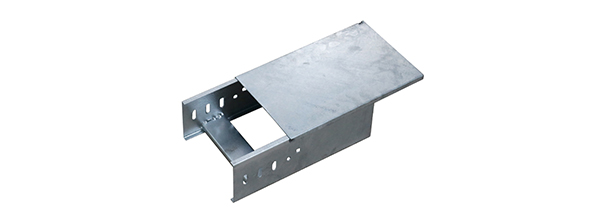
The best cable tray grounding plan connects cable load, route access, accessories, documentation, and long-term maintenance.
Define the Electrical Role: Confirm whether the tray is only mechanical support or also part of the bonding path according to the project rules. This is where cable tray grounding needs to be tied to cable type, cable quantity, routing height, and support layout.
Review Continuity at Joints: Splice plates, connectors, paint, coatings, and field cuts can affect continuity if they are not reviewed. This is where cable tray grounding needs to be tied to cable type, cable quantity, routing height, and support layout.
Engineers should also review bends, pull access, thermal conditions, and future cable additions. These details determine whether the finished system remains serviceable after the first installation is complete.
Material and Accessory Decisions
For buyers, cable tray grounding should be reviewed before quotation so the supplier can include the correct scope.
Coordinate With Local Codes: The project team should apply the local electrical code and owner specification rather than assuming one detail fits every site. The decision should be made together with accessories, because small connection parts often decide whether the system is easy to install.
Inspect After Installation: Final inspection should check bonding jumpers, fasteners, route changes, and any modified sections. The decision should be made together with accessories, because small connection parts often decide whether the system is easy to install.
For standards and safety context, use references such as IEC standards overview. For related site details, the FRP cable tray product center may help with practical planning.
Practical Decision Table
| Review Area | Why It Matters | Practical Action |
|---|---|---|
| Route information | Prevents generic quotations | Share drawings, cable list, and installation notes |
| Environment | Affects material and cover choice | State indoor, outdoor, humid, coastal, chemical, or dusty exposure |
| Accessories | Prevents installation delays | Confirm fittings, covers, supports, and fasteners |
| Maintenance | Protects long-term usability | Keep inspection and replacement access practical |
When the project team defines cable tray grounding clearly, installation becomes easier to coordinate and inspect.
The table above turns cable tray grounding into a project checklist. It helps buyers compare route information, environment, accessories, and maintenance before asking for a final quotation.
This approach is useful because it separates real project requirements from assumptions. It also helps the supplier respond with a more complete scope.
Common Mistakes to Avoid
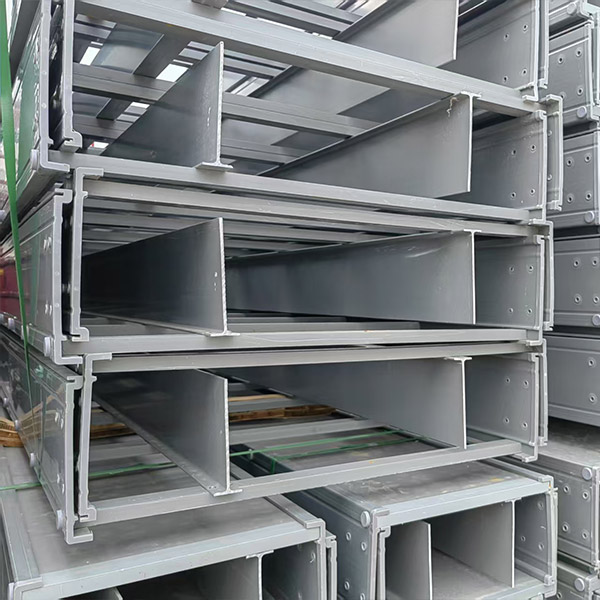
A practical cable tray grounding decision should come from the real site conditions, not from a copied specification.
One common mistake is copying an old specification into a new project. A system that worked in a clean indoor area may not fit a rooftop, chemical workshop, coastal site, or crowded control room.
Another mistake is ordering only straight sections. A tray route normally needs fittings, connectors, covers, supports, and fasteners. Missing small parts can delay the entire installation.
A third mistake is treating cable tray grounding as a price-only decision. This article does not include prices because the real scope depends on material, dimensions, quantity, accessories, packing, and project documents.
Procurement Checklist
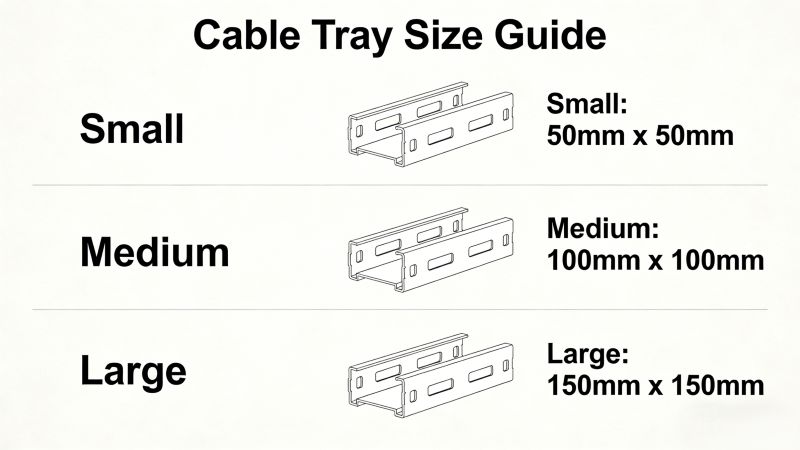
The best cable tray grounding plan connects cable load, route access, accessories, documentation, and long-term maintenance.
- Confirm where cable tray grounding will be installed.
- Share the cable list, drawing, route length, and expected spare capacity.
- Check material, surface treatment, covers, and accessories together.
- Confirm support spacing, brackets, fasteners, and installation access.
- Request drawings, packing details, and document requirements before production.
A checklist does not replace engineering review, but it prevents vague purchasing requests. It also gives the manufacturer enough information to identify missing details before production.
A clear installation package should show where each straight section, bend, tee, reducer, cover, bracket, and fastener will be used. That package saves time during site work.
Maintenance access should be part of the drawing review. If workers cannot reach a route safely, later inspection and cable additions become harder.
The purchasing team should compare quotations by complete scope instead of comparing only one product name. Scope includes material, dimensions, fittings, packing, and documents.
A clear installation package should show where each straight section, bend, tee, reducer, cover, bracket, and fastener will be used. That package saves time during site work.
Maintenance access should be part of the drawing review. If workers cannot reach a route safely, later inspection and cable additions become harder.
The purchasing team should compare quotations by complete scope instead of comparing only one product name. Scope includes material, dimensions, fittings, packing, and documents.
A clear installation package should show where each straight section, bend, tee, reducer, cover, bracket, and fastener will be used. That package saves time during site work.
Maintenance access should be part of the drawing review. If workers cannot reach a route safely, later inspection and cable additions become harder.
The purchasing team should compare quotations by complete scope instead of comparing only one product name. Scope includes material, dimensions, fittings, packing, and documents.
A clear installation package should show where each straight section, bend, tee, reducer, cover, bracket, and fastener will be used. That package saves time during site work.
Maintenance access should be part of the drawing review. If workers cannot reach a route safely, later inspection and cable additions become harder.
The purchasing team should compare quotations by complete scope instead of comparing only one product name. Scope includes material, dimensions, fittings, packing, and documents.
A clear installation package should show where each straight section, bend, tee, reducer, cover, bracket, and fastener will be used. That package saves time during site work.
Maintenance access should be part of the drawing review. If workers cannot reach a route safely, later inspection and cable additions become harder.
The purchasing team should compare quotations by complete scope instead of comparing only one product name. Scope includes material, dimensions, fittings, packing, and documents.
A clear installation package should show where each straight section, bend, tee, reducer, cover, bracket, and fastener will be used. That package saves time during site work.
Maintenance access should be part of the drawing review. If workers cannot reach a route safely, later inspection and cable additions become harder.
The purchasing team should compare quotations by complete scope instead of comparing only one product name. Scope includes material, dimensions, fittings, packing, and documents.
A clear installation package should show where each straight section, bend, tee, reducer, cover, bracket, and fastener will be used. That package saves time during site work.
Maintenance access should be part of the drawing review. If workers cannot reach a route safely, later inspection and cable additions become harder.
The purchasing team should compare quotations by complete scope instead of comparing only one product name. Scope includes material, dimensions, fittings, packing, and documents.
A clear installation package should show where each straight section, bend, tee, reducer, cover, bracket, and fastener will be used. That package saves time during site work.
Maintenance access should be part of the drawing review. If workers cannot reach a route safely, later inspection and cable additions become harder.
The purchasing team should compare quotations by complete scope instead of comparing only one product name. Scope includes material, dimensions, fittings, packing, and documents.
A clear installation package should show where each straight section, bend, tee, reducer, cover, bracket, and fastener will be used. That package saves time during site work.
Maintenance access should be part of the drawing review. If workers cannot reach a route safely, later inspection and cable additions become harder.
The purchasing team should compare quotations by complete scope instead of comparing only one product name. Scope includes material, dimensions, fittings, packing, and documents.
A clear installation package should show where each straight section, bend, tee, reducer, cover, bracket, and fastener will be used. That package saves time during site work.
Maintenance access should be part of the drawing review. If workers cannot reach a route safely, later inspection and cable additions become harder.
The purchasing team should compare quotations by complete scope instead of comparing only one product name. Scope includes material, dimensions, fittings, packing, and documents.
A clear installation package should show where each straight section, bend, tee, reducer, cover, bracket, and fastener will be used. That package saves time during site work.
Maintenance access should be part of the drawing review. If workers cannot reach a route safely, later inspection and cable additions become harder.
The purchasing team should compare quotations by complete scope instead of comparing only one product name. Scope includes material, dimensions, fittings, packing, and documents.
A clear installation package should show where each straight section, bend, tee, reducer, cover, bracket, and fastener will be used. That package saves time during site work.
Maintenance access should be part of the drawing review. If workers cannot reach a route safely, later inspection and cable additions become harder.
The purchasing team should compare quotations by complete scope instead of comparing only one product name. Scope includes material, dimensions, fittings, packing, and documents.
A clear installation package should show where each straight section, bend, tee, reducer, cover, bracket, and fastener will be used. That package saves time during site work.
Maintenance access should be part of the drawing review. If workers cannot reach a route safely, later inspection and cable additions become harder.
The purchasing team should compare quotations by complete scope instead of comparing only one product name. Scope includes material, dimensions, fittings, packing, and documents.
A clear installation package should show where each straight section, bend, tee, reducer, cover, bracket, and fastener will be used. That package saves time during site work.
Maintenance access should be part of the drawing review. If workers cannot reach a route safely, later inspection and cable additions become harder.
The purchasing team should compare quotations by complete scope instead of comparing only one product name. Scope includes material, dimensions, fittings, packing, and documents.
A clear installation package should show where each straight section, bend, tee, reducer, cover, bracket, and fastener will be used. That package saves time during site work.
Maintenance access should be part of the drawing review. If workers cannot reach a route safely, later inspection and cable additions become harder.
The purchasing team should compare quotations by complete scope instead of comparing only one product name. Scope includes material, dimensions, fittings, packing, and documents.
A clear installation package should show where each straight section, bend, tee, reducer, cover, bracket, and fastener will be used. That package saves time during site work.
Maintenance access should be part of the drawing review. If workers cannot reach a route safely, later inspection and cable additions become harder.
The best cable tray grounding plan connects cable load, route access, accessories, documentation, and long-term maintenance.
For buyers, cable tray grounding should be reviewed before quotation so the supplier can include the correct scope.
When the project team defines cable tray grounding clearly, installation becomes easier to coordinate and inspect.
A practical cable tray grounding decision should come from the real site conditions, not from a copied specification.
The best cable tray grounding plan connects cable load, route access, accessories, documentation, and long-term maintenance.
For buyers, cable tray grounding should be reviewed before quotation so the supplier can include the correct scope.
When the project team defines cable tray grounding clearly, installation becomes easier to coordinate and inspect.
A practical cable tray grounding decision should come from the real site conditions, not from a copied specification.
The best cable tray grounding plan connects cable load, route access, accessories, documentation, and long-term maintenance.
For buyers, cable tray grounding should be reviewed before quotation so the supplier can include the correct scope.
When the project team defines cable tray grounding clearly, installation becomes easier to coordinate and inspect.
A practical cable tray grounding decision should come from the real site conditions, not from a copied specification.
The best cable tray grounding plan connects cable load, route access, accessories, documentation, and long-term maintenance.
For buyers, cable tray grounding should be reviewed before quotation so the supplier can include the correct scope.
When the project team defines cable tray grounding clearly, installation becomes easier to coordinate and inspect.
A practical cable tray grounding decision should come from the real site conditions, not from a copied specification.
The best cable tray grounding plan connects cable load, route access, accessories, documentation, and long-term maintenance.
For buyers, cable tray grounding should be reviewed before quotation so the supplier can include the correct scope.
When the project team defines cable tray grounding clearly, installation becomes easier to coordinate and inspect.
A practical cable tray grounding decision should come from the real site conditions, not from a copied specification.
The best cable tray grounding plan connects cable load, route access, accessories, documentation, and long-term maintenance.
For buyers, cable tray grounding should be reviewed before quotation so the supplier can include the correct scope.
When the project team defines cable tray grounding clearly, installation becomes easier to coordinate and inspect.
Conclusion
For buyers, cable tray grounding should be reviewed before quotation so the supplier can include the correct scope.
The right cable tray grounding decision connects engineering judgment with purchasing discipline. It should solve the actual route problem, protect cables, support maintenance, and reduce missing-scope risk.
If you are preparing a cable support project, share drawings, cable lists, installation conditions, and document requirements with Yidian Cable Tray. The team can help review the practical details before production.