Offshore platforms operate in one of the world’s most demanding environments, where high humidity, saltwater exposure, vibration, and extreme temperatures constantly threaten electrical systems. If you are selecting a cable tray for offshore operations, you need a solution that can resist corrosion, support large cable loads, simplify maintenance, and withstand years of environmental pressure. This guide brings together practical field experience, engineering insights, and offshore compliance requirements to help you choose the right system.
Table of Contents
Why Offshore Facilities Require Specialized Cable Tray Systems
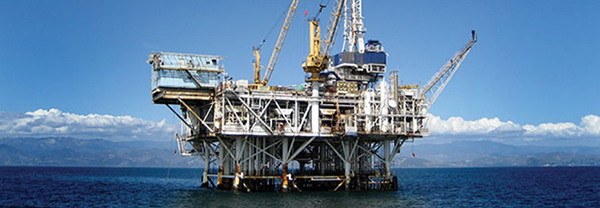
Electrical infrastructure on offshore oil rigs, wind farms, and marine structures faces far harsher conditions than land-based facilities. Salt-laden air causes accelerated corrosion, and constant vibration from waves and machinery increases structural stress. According to multiple offshore engineering studies, corrosion is responsible for nearly 40% of structural failures in marine electrical installations.
This is why many operators rely on specially designed offshore cable tray systems made from stainless steel 316L, FRP composites, or heavy-duty galvanized materials. These trays not only protect power, instrumentation, and communication cables but also ensure electrical reliability for mission-critical operations.
Key Material Options for Offshore Cable Tray Applications
Stainless Steel Cable Trays
Stainless steel 316L is one of the most common materials used offshore due to its outstanding corrosion resistance. Its low carbon content helps prevent pitting and crevice corrosion caused by chloride-rich coastal air.
Best for:
• Main power distribution
• High-load cable runs
• Areas with continuous salt spray
FRP Cable Trays
FRP (fiber-reinforced plastic) cable trays have become increasingly popular offshore because they are lightweight, corrosion-proof, non-conductive, and easy to install. A 2023 industry report noted that FRP trays reduce maintenance workload by up to 35% in offshore environments.
Best for:
• Instrumentation cables
• Highly corrosive zones
• Walkway and top side levels exposed to water splash
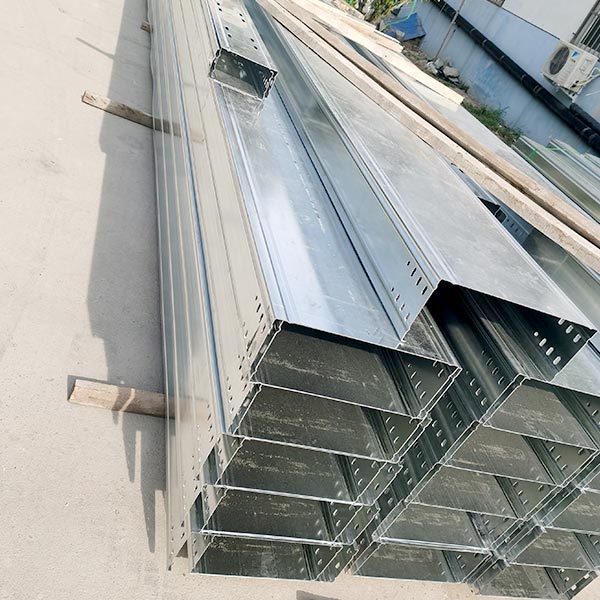
Galvanized Cable Trays
Not as corrosion-resistant as stainless steel or FRP, but still used in certain offshore areas where budget is a concern and exposure is moderate.
Best for:
• Indoor sections of offshore living quarters
• Semi-sheltered equipment rooms
Offshore Cable Tray Types and Their Typical Applications
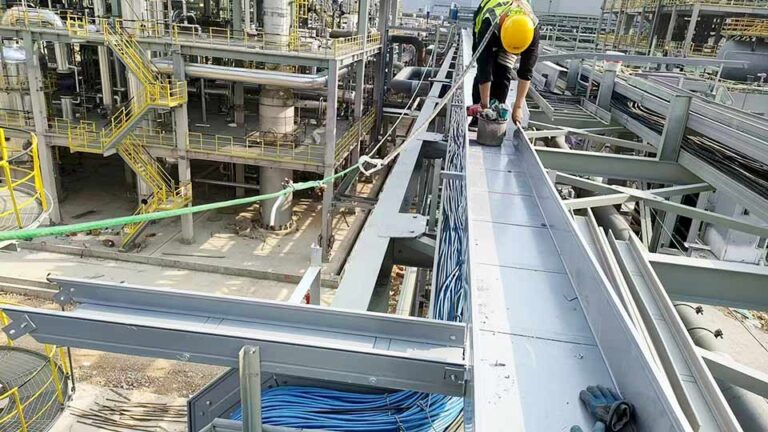
Ladder Cable Tray
Provides maximum ventilation and prevents moisture accumulation. Ideal for long cable runs and power circuits on platforms.
Trough Cable Tray
Used where additional cable protection is needed from falling objects or equipment.
Solid-Bottom Cable Tray
Generally avoided outdoors but used in offshore control rooms where data cables require enhanced shielding.
Channel Cable Tray
Suitable for short runs of instrument cables.
Offshore Cable Tray Performance Requirements
Offshore cable trays must meet stricter requirements compared to land-based systems. The following table summarizes the key performance standards needed for marine installations:
| Performance Requirement | Offshore Expectation | Notes |
|---|---|---|
| Corrosion Resistance | Very High | Stainless steel 316L or FRP recommended |
| UV Stability | Required | Ensures material integrity in direct sunlight |
| Load-Bearing Capacity | High | Supports heavy bundled cable runs |
| Electrical Safety | Non-conductive options preferred in certain zones | FRP ideal |
| Fire Resistance | Must meet offshore fire codes | ASTM E84, IEC 61537 |
| Vibration Resistance | Strong | Essential for wave and machinery vibration |
| Installation Flexibility | High | Modular systems preferred for fast maintenance |
How to Select the Right Cable Tray for Offshore Projects
Consider Environmental Exposure
If the tray is installed in direct contact with seawater or heavy spray zones, stainless steel 316L or marine-grade FRP are the safest options.
Evaluate Cable Load Requirements
Power cables require ladder trays with higher load ratings, while instrument cables may use lightweight FRP channel trays.
Factor in Maintenance Costs
FRP offers long-term cost savings due to its corrosion-free nature, reducing inspection and replacement frequency.
Check Compliance With Offshore Standards
Common standards to verify include:
• IEC 61537
• NORSOK standards
• ASTM corrosion resistance tests
• DNV offshore requirements
• ABS guidelines
Installation Considerations for Offshore Cable Tray Systems
Proper Grounding
For metal trays, grounding is mandatory. FRP trays eliminate grounding needs, making them ideal for hazardous areas.
Avoid Standing Water
Ensure tray systems are angled or perforated to prevent water accumulation.
Use Offshore-Grade Fasteners
Even the best tray system will fail prematurely if standard fasteners corrode. Use stainless steel 316 or composite clamps.
Expansion and Contraction
Temperature swings offshore can cause expansion of several millimeters per meter. Expansion joints are essential to prevent stress cracking.
Common Mistakes to Avoid in Offshore Cable Tray Design
• Using mild steel trays that quickly corrode
• Ignoring vibration considerations
• Forgetting UV protection for FRP systems
• Oversizing trays, leading to unnecessary costs
• Using incompatible clamps or hardware
• Failing to plan for future cable expansion
Real-World Offshore Use Cases
Offshore Oil Platform
A stainless steel 316L ladder tray system was chosen due to heavy cable loads and high salt exposure. Operators reported minimal corrosion after eight years.
Offshore Wind Farm
FRP cable trays were used on turbine towers. Weight reduction of nearly 45% simplified installation and reduced long-term maintenance.
Marine Research Station
FRP channel trays supported communication and sensor cables, ensuring stable connection in high-humidity conditions.
Need Help Selecting the Right Cable Tray for Offshore Projects?
If you’re unsure which cable tray system fits your marine or offshore environment, our engineering team is ready to assist. Contact us today for expert guidance, customized recommendations, and reliable solutions built for harsh conditions. Don’t leave your project at risk—reach out now to secure safer, stronger, and long-lasting offshore cable management!
FAQ
Which material lasts the longest offshore?
Stainless steel 316L typically offers the longest lifespan in severe marine environments, especially for heavy power cables.
Are FRP cable trays strong enough for offshore projects?
Yes. Modern FRP trays meet offshore mechanical and flame-retardant standards and perform extremely well in corrosive zones.
Do offshore cable trays require special coatings?
Metal trays may require protective coatings. FRP trays do not need additional corrosion protection.
Can offshore cable trays be painted?
Yes, but paint is typically for identification rather than corrosion protection.
Are cable tray clamps different offshore?
Offshore systems use stainless steel or composite clamps designed for saltwater resistance.