Table of Contents
Introduction
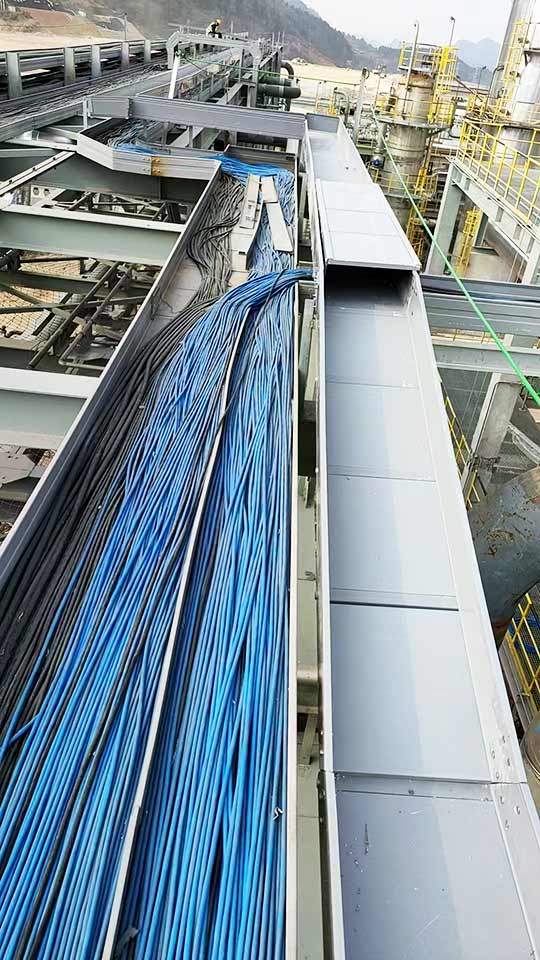
Modern data centers rely on complex electrical and network infrastructure to support high-speed data transmission and uninterrupted operations. Cable tray for data centers plays a critical role in organizing, supporting, and protecting power, fiber optic, and network cables in high-density environments. A well-designed cable tray system improves airflow, simplifies maintenance, and ensures long-term scalability.
As data centers continue to expand, efficient cable management becomes essential for operational efficiency, energy savings, and compliance with safety standards. Choosing the right cable tray solution helps reduce downtime and supports future infrastructure growth.
Importance of Cable Tray Systems in Data Centers
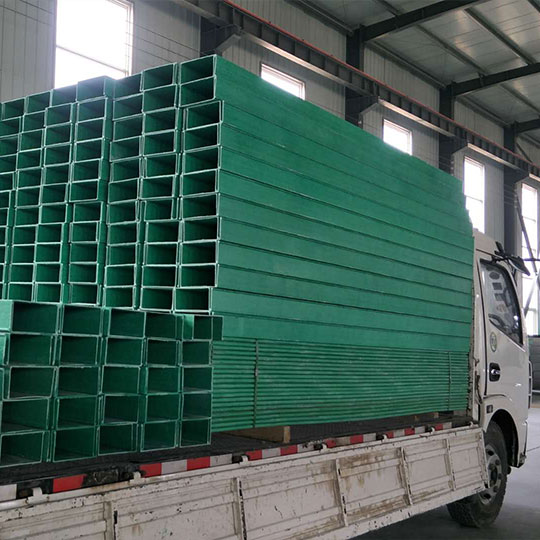
Data centers operate with large volumes of power and data cables running simultaneously. Poor cable management can lead to overheating, signal interference, and maintenance challenges. Cable tray systems provide a structured pathway for cables, allowing proper separation, ventilation, and accessibility.
A reliable cable tray for data centers supports continuous operation, minimizes the risk of cable damage, and enables technicians to identify, add, or replace cables efficiently.
Key Benefits of Cable Tray for Data Centers
- Improved Airflow: Open tray designs help prevent heat buildup around cables.
- High Cable Density Support: Accommodates large volumes of power and data cables.
- Easy Maintenance: Organized routing allows quick access for troubleshooting and upgrades.
- Scalability: Modular systems allow easy expansion as data center capacity grows.
- Safety and Compliance: Reduces fire risk and supports structured cabling standards.
Types of Cable Tray for Data Centers
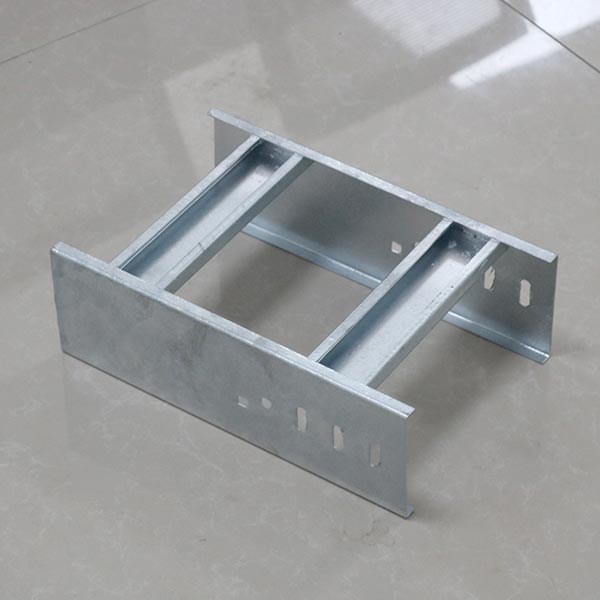
Ladder Cable Tray
Ladder trays provide excellent ventilation and high load capacity, making them ideal for power distribution and main cable routes within data centers.
Wire Mesh Cable Tray
Wire mesh trays are lightweight and flexible, commonly used for network and fiber optic cabling. They allow easy routing and quick changes without complex fittings.
Perforated Cable Tray
Perforated trays balance airflow and cable protection, making them suitable for mixed cabling environments where organization and airflow are both required.
Solid-Bottom Cable Tray
Used for sensitive or low-voltage cables that require additional protection from dust or physical impact.
Material Options and Performance Comparison
| Material | Weight | Airflow Performance | Load Capacity | Best Applications |
|---|---|---|---|---|
| Galvanized Steel | Medium | Good | High | Power cable routing, main pathways |
| Stainless Steel | Medium | Good | High | High-reliability or corrosive environments |
| Wire Mesh Steel | Low | Excellent | Medium | Network and fiber optic cabling |
| Aluminum | Low | Good | Medium | Lightweight overhead installations |
Installation Best Practices
- Maintain separation between power and data cables to reduce interference.
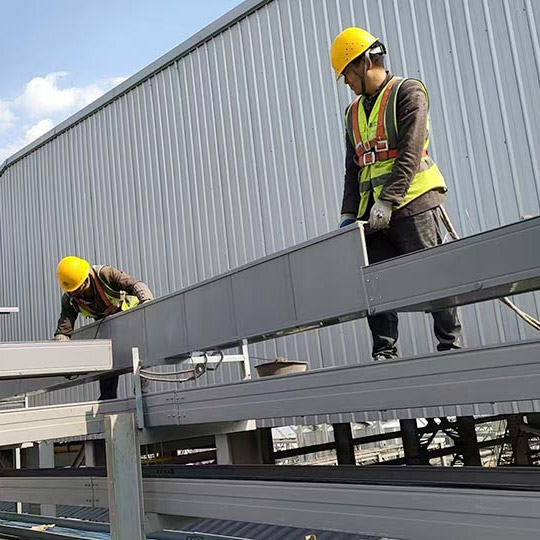
- Design overhead tray layouts to optimize cooling efficiency.
- Use modular tray components to allow future expansion.
- Avoid overloading trays to maintain airflow and structural integrity.
- Label cable routes clearly to simplify maintenance and upgrades.
Applications Within Data Centers
- Server Rooms: Organized routing for power and network cables.
- Equipment Racks: Structured cabling for switches, servers, and storage units.
- Power Distribution Areas: Secure support for high-capacity power cables.
- Cooling Zones: Cable trays designed to avoid airflow obstruction.
- Expansion Areas: Modular trays for future infrastructure growth.
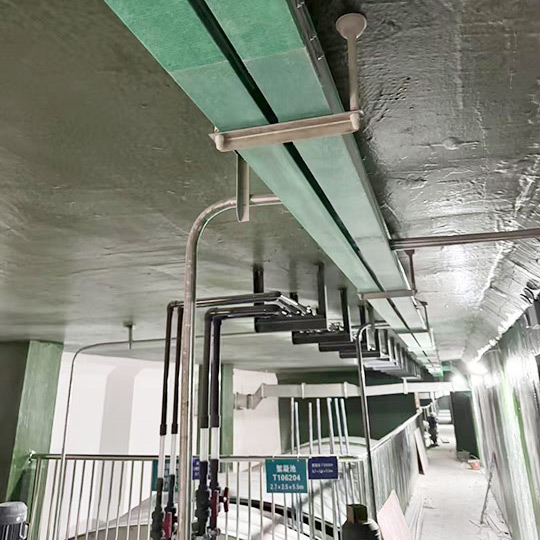
Choosing the Right Cable Tray for Data Centers
- Cable Type: Fiber optic, power, and copper cables may require different tray designs.
- Load Requirements: Power distribution zones need higher load capacity trays.
- Cooling Strategy: Tray design should complement hot aisle and cold aisle layouts.
- Future Scalability: Modular systems reduce future installation costs.
- Compliance: Ensure compatibility with data center standards and fire safety codes.
FAQ
1. Why are cable trays important in data centers?
They improve organization, airflow, safety, and simplify maintenance in high-density environments.
2. Which cable tray type is best for fiber optic cables?
Wire mesh trays are commonly used due to flexibility and ease of routing.
3. Can cable trays help reduce overheating in data centers?
Yes, open designs improve airflow and support efficient cooling.
4. Are cable trays suitable for overhead installation in data centers?
Yes, overhead trays are widely used to keep floors clear and improve airflow.
5. How often should data center cable trays be inspected?
Routine inspections every 6–12 months are recommended, or more frequently in high-density areas.
Conclusion
Cable tray for data centers is a critical component of modern digital infrastructure. By improving cable organization, airflow, and scalability, cable tray systems help data centers operate efficiently and reliably. Selecting the right tray type and material ensures long-term performance, easier maintenance, and readiness for future expansion.
Need Help Choosing the Right Cable Tray for Data Centers?
If you’re unsure which cable tray solution best fits your data center project, our experts are here to help. Contact us today for a personalized consultation and ensure your infrastructure is efficient, scalable, and built for long-term performance. Don’t wait—optimize your data center cabling now!